Why Is First Aid Important? 10 Life-Saving Reasons to Know
Imagine you’re at a family barbecue, a sporting event, or simply walking through a shopping centre when someone suddenly collapses. Would you know what to do?


In Short
- First aid is a life-saving skill that enables ordinary people to respond effectively in the critical moments before emergency services arrive.
- Quick action such as CPR, bleeding control, or choking response can significantly improve survival and recovery outcomes.
- First aid training builds confidence, helping people stay calm and act decisively instead of panicking during emergencies.
- Emergencies can happen anywhere, at home, work, school, or in public. First aid is a practical everyday skill, not just a workplace requirement.
- Learning first aid helps protect families, strengthens workplace safety, and contributes to safer, more resilient communities.
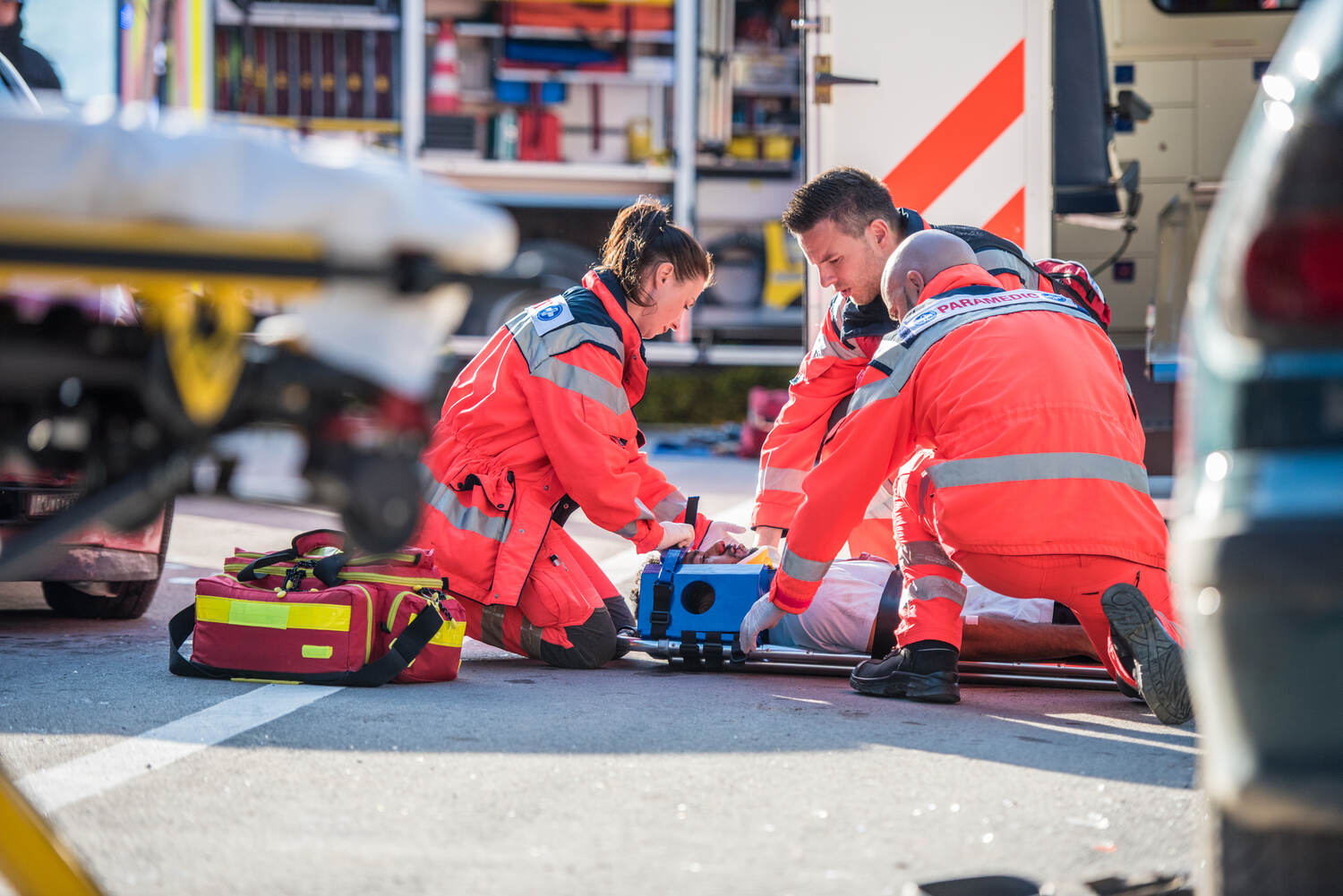
Most people assume emergencies are rare, but the reality is accidents, injuries, and medical emergencies happen every day. In those crucial minutes before paramedics arrive, the actions of bystanders can make a significant difference.
That’s why first aid is one of the most valuable skills anyone can learn. It gives ordinary people the knowledge and confidence to step in, provide assistance, and potentially save a life.
In this guide, we’ll explore why first aid is important and the top reasons every Australian should consider learning these essential skills.
What Is First Aid?
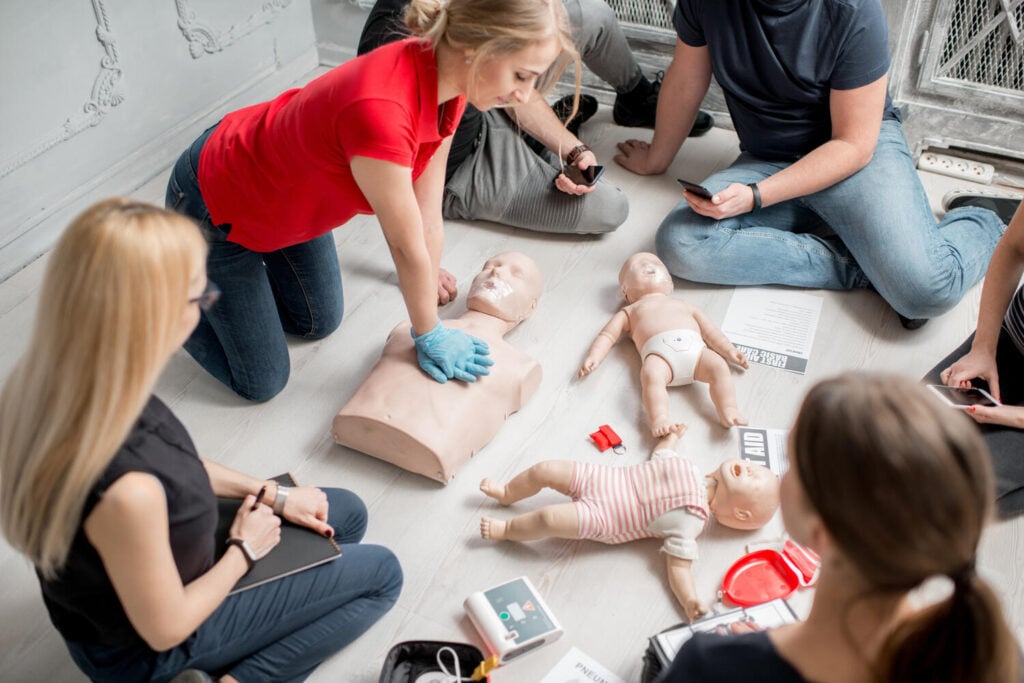
First aid is the immediate care provided to someone who is injured or suddenly becomes ill before professional medical help arrives. The goal is to preserve life, prevent the condition from worsening, and support recovery.
First aid can involve simple actions such as treating a minor burn or applying a bandage, as well as more critical interventions like CPR, using an AED, or helping someone who is choking.
Why Is First Aid Important?
The importance of first aid comes down to one simple fact. Emergencies don’t wait for healthcare professionals to arrive and the benefits of first aid extend far beyond treating injuries. They help everyday people respond effectively when every second counts.
Whether it’s a workplace injury, a sporting accident, a child choking at home, or a medical emergency involving a stranger, the first person on the scene is often an everyday Australian with no medical background. Knowing what to do in those first few minutes can change the outcome dramatically.
10 Reasons Why First Aid Is Important
Most people don’t think about first aid until they find themselves in an emergency. The reality is that accidents, injuries, and sudden illnesses can happen anywhere and at any time. Knowing what to do in those critical first few minutes can affect the outcome for the person needing help. That’s why first aid training is so valuable. Let’s look at 10 important reasons why first aid matters.
1. First Aid Can Save Lives
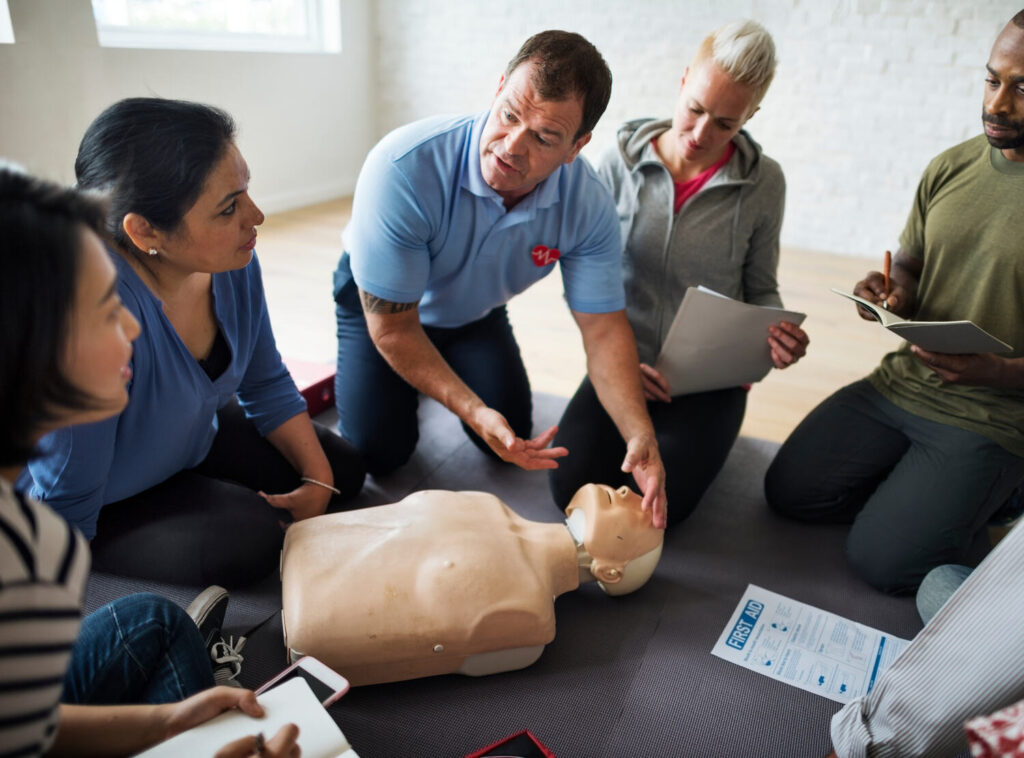
In emergencies such as cardiac arrest, choking, severe bleeding, or anaphylaxis, immediate action can mean the difference between life and death.
First aid helps keep a casualty stable until emergency services arrive. Quick interventions such as CPR or bleeding control can significantly improve survival outcomes.
For example, statistics noted by the Heart Foundation indicate if CPR and an AED are used within the first 3–5 minutes of a cardiac arrest, survival rates can jump to 60–70 per cent. When every second counts, having someone nearby who knows first aid can be invaluable. That kind of stat shows just how much weight rests on those first few minutes, long before paramedics show up. It’s also a good reminder that first aid isn’t some rare specialist skill, it’s something almost anyone can learn in a single afternoon.
2. It Helps Prevent Injuries and Illnesses from Getting Worse
Not every emergency is life-threatening, but many injuries can become more serious without prompt care. A trained first aider knows how to stabilise a casualty, protect an injury, and minimise complications while waiting for professional treatment. This can reduce the severity of an injury and improve recovery outcomes.
Something as simple as keeping a wound clean or supporting a sprained ankle the right way can stop a small problem turning into a much bigger one. It’s often these smaller, less dramatic moments where first aid makes the biggest practical difference.
3. It Gives You Confidence During Emergencies
Many people freeze during emergencies simply because they don’t know what to do. First aid training provides a clear framework for responding to incidents. Instead of panicking, trained individuals are more likely to stay calm, assess the situation, and take appropriate action. Confidence can be just as important as knowledge when responding to an emergency.
Once you’ve practiced the steps a few times, your body tends to remember what to do even when your mind goes blank under pressure. That muscle memory is often what separates someone who jumps in from someone who just stands there unsure.
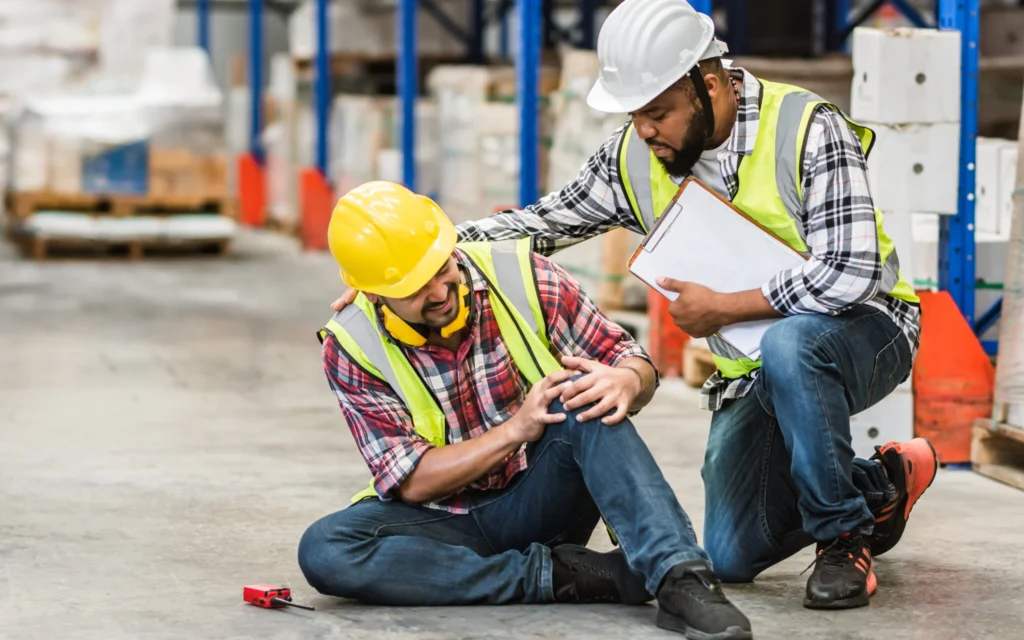
4. Emergencies Can Happen Anywhere
People often associate medical emergencies with hospitals, but accidents occur in everyday places:
- At home
- At work
- At school
- During sport
- On the road
- In public places
The person who needs help could be a family member, colleague, friend, or complete stranger. First aid skills prepare you to respond wherever an emergency occurs. You can’t predict where or when something will go wrong, which is exactly why first aid knowledge needs to travel with you rather than stay locked away for one specific setting. Being ready in any environment takes the guesswork out of a stressful moment.
5. It Helps Protect Your Family and Loved Ones
For many people, the biggest motivation for learning first aid is family. Children can choke. Elderly relatives can fall. Family members can experience medical emergencies with little warning.
Knowing how to respond can provide peace of mind and help you feel prepared if someone you care about needs immediate assistance. It’s one thing to trust that an ambulance will eventually turn up, but it’s another to know you can actually do something useful in the meantime. For a lot of people, that sense of being able to protect the people closest to you is reason enough to get trained.
6. First Aid Supports Workplace Safety
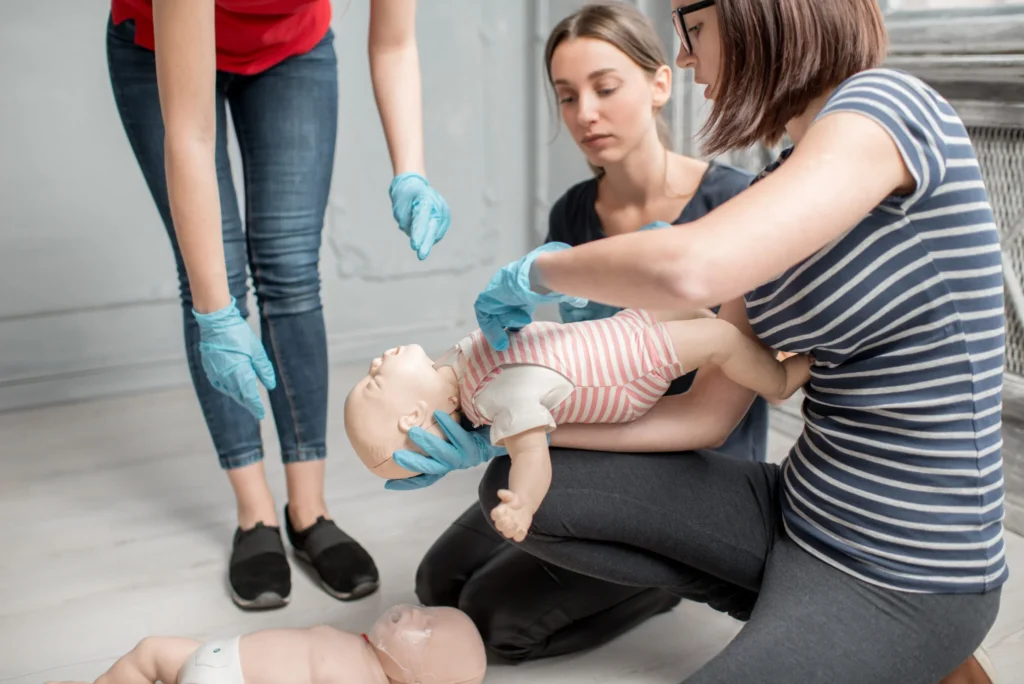
First aid plays a major role in workplace health and safety across Australia. Many businesses require trained first aiders on site, particularly in higher-risk industries such as construction, manufacturing, mining, and warehousing. However, emergencies can happen in any workplace, including offices and retail environments.
Having trained staff available can help create a safer workplace and ensure quicker responses to incidents. Even a basic level of training across a team can cut down on confusion when an incident happens, since each person knows what to do instead of waiting around for someone else to act.
Industries with heavier physical demands tend to see the value of this training show up the fastest, but really any workplace benefits from having a few people who know what to do.
7. It Helps You Stay Calm Under Pressure
When an emergency occurs, emotions often run high. First aid training teaches people how to assess a situation methodically and focus on the actions that matter most. This ability to remain calm can help reduce panic among bystanders and provide reassurance to the injured person.
A calm response often leads to better outcomes for everyone involved. A racing heart and shaky hands are completely normal, even for trained people, but having a clear set of steps to follow gives you something to focus on instead of the panic. That structure is often what keeps people moving forward instead of freezing up.
8. It Can Reduce Recovery Time
Prompt treatment can often help injuries heal more effectively. Cooling a burn quickly, controlling bleeding, or correctly managing a sprain may reduce complications and support faster recovery. While first aid is not a substitute for medical treatment, it can play an important role in the overall recovery process.
Acting fast in those first few minutes can be the difference between a quick recovery and weeks of extra discomfort. Even something as simple as elevating an injury or applying the right pressure can change how a doctor treats it later on. Small actions taken early often save a lot of pain and hassle down the track.
9. It Creates Safer Communities
The more people who know first aid, the safer communities become. When bystanders are prepared to act, emergency situations are less likely to escalate before professional help arrives. Communities with greater first aid awareness are often more resilient, supportive, and better equipped to respond to unexpected incidents.
Every trained first aider contributes to a stronger and safer community. The more people around you who know what to do, the less likely anyone is to face an emergency completely alone. It’s a kind of safety net that gets stronger the more people are part of it.
10. It’s a Skill You’ll Use for Life
Unlike many qualifications that apply only to a specific job, first aid is a life skill. The knowledge you gain can help you at home, at work, while travelling, during sporting activities, and throughout your everyday life.
Even if you never encounter a major emergency, knowing first aid provides confidence and preparedness that can stay with you for years. Unlike a lot of things you learn and forget, first aid tends to stick because the steps are simple and the stakes make them memorable. Once you’ve got it, it stays with you no matter where life takes you next.
Who Should Learn First Aid?
The short answer is everyone. However, first aid training is particularly valuable for:
- Parents and carers
- Teachers and childcare workers
- Sports coaches and volunteers
- Construction and trade workers
- Hospitality and retail staff
- Community group leaders
- Anyone responsible for the safety of others
The reality is that emergencies rarely happen when it’s convenient. The person who can make the biggest difference is often simply the person who happens to be there.
How First Aid and CPR Work Together
Many people associate first aid with bandages, ice packs, and treating minor injuries, but CPR is one of the most important first aid skills a person can learn. While first aid covers a broad range of responses to injuries and medical emergencies, CPR is a specific lifesaving technique used when someone has stopped breathing normally or their heart has stopped beating.
When a person suffers cardiac arrest, every minute without treatment reduces their chances of survival. Immediate CPR helps maintain blood flow to the brain and vital organs, buying precious time until emergency services arrive and advanced medical care can be provided.
This is one of the clearest examples of why first aid is important. A bystander who recognises the signs of cardiac arrest and begins CPR immediately can dramatically improve a person’s chance of survival. In many cases, the actions taken in the first few minutes are just as important as the treatment provided by paramedics later.
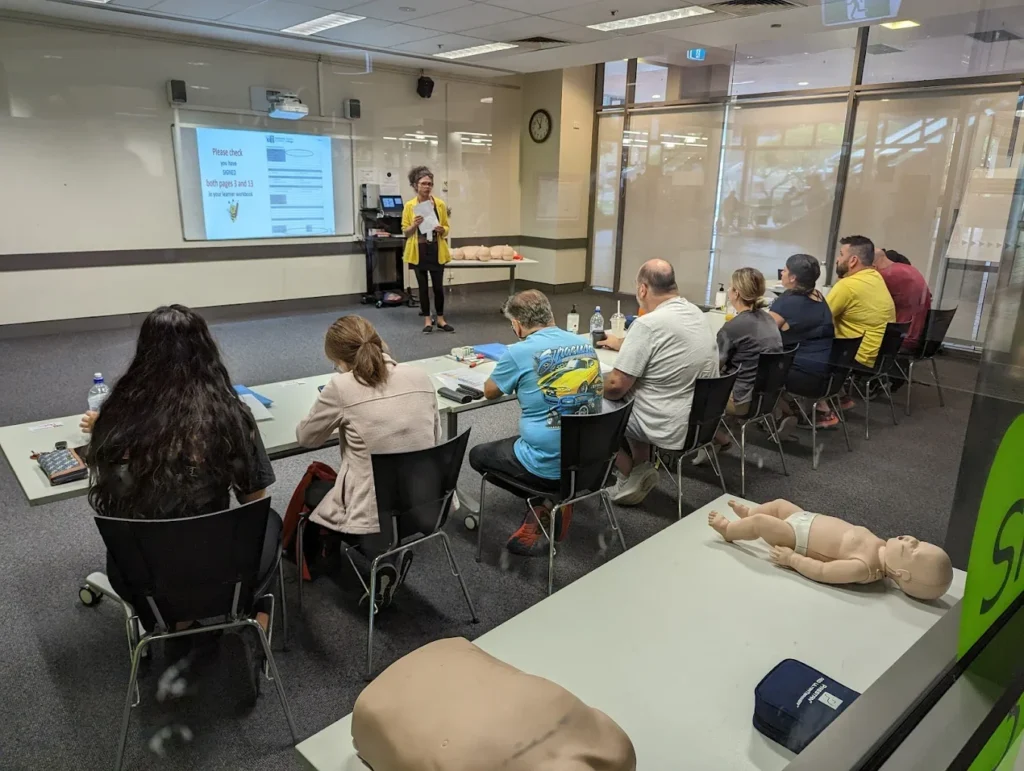
Modern first aid courses teach CPR alongside other essential skills such as managing choking, severe bleeding, burns, fractures, allergic reactions, and unconscious casualties. Together, these skills give people the confidence to respond effectively to a wide range of emergencies, whether they occur at home, in the workplace, or out in the community.
Learning CPR as part of first aid training means you’re better prepared for those unexpected situations where quick action can make all the difference.

Frequently Asked Questions
How much does a first aid course cost in Australia?
Prices vary depending on the course type and provider, but a first aid certificate usually costs between $85 and $180. CPR-only refresher courses tend to sit at the lower end, often under $80, since they cover a narrower range of skills. Some employers cover the cost entirely, especially in industries where trained staff are a legal requirement. It’s worth checking with your workplace before paying out of pocket.
How long does a first aid certificate last before it needs renewing?
A standard first aid certificate is generally valid for three years, while the CPR component needs renewing every 12 months. This is because CPR techniques and guidelines get updated more often, and the skill itself fades faster without regular practice.
Most providers send reminders close to the expiry date, but it’s a good habit to track it yourself, especially if your job depends on holding a current certificate.
Are there legal risks if I help someone and get it wrong?
This worries a lot of people, but Good Samaritan laws in every Australian state protect people who act in good faith during an emergency. As long as you’re providing reasonable assistance and not acting recklessly, you’re protected from being sued if something doesn’t go perfectly. The goal of these laws is simple: to stop fear of legal trouble from stopping someone from helping in the first place.
Can kids learn first aid, or is it only for adults?
Kids can absolutely learn first aid, and many schools now include basic training in the curriculum. Age-appropriate courses teach children how to call for help, perform simple bleeding control, and recognise when something is seriously wrong. While younger kids won’t be performing CPR on an adult anytime soon, building this awareness early helps create a generation that’s far more prepared to act when it counts.
What’s the difference between a full first aid course and a CPR-only course?
A CPR-only course focuses specifically on chest compressions, rescue breaths, and using a defibrillator, usually taking just a few hours to complete. A full first aid course covers a much wider range of skills, including burns, fractures, bleeding, allergic reactions, and choking response. If your job only requires CPR certification, the shorter course will cover that. For broader peace of mind at home or in everyday life, the full course gives you a lot more to work with.
Do I need a first aid kit at home even if I’ve done the training?
Yes, training without supplies only gets you halfway there. A basic kit with bandages, antiseptic, gloves, and a CPR face shield means you can actually act on what you’ve learned instead of scrambling around looking for supplies. Most pharmacies sell ready-made kits, or you can put one together yourself fairly cheaply. Keep it somewhere everyone in the house knows about, and check it every so often to replace anything that’s expired or used up.
Get Government-Approved First Aid Training at a Location Near You
Ready to turn your first aid skills into a career and actually make a difference in people’s lives?
National First Aid Courses is a trusted Registered Training Organisation (RTO 41072) that supports new trainers through every stage of the process, from your first certification right through to delivering courses independently under our scope.
With structured pathways, hands-on support, and established training frameworks already in place, you won’t be figuring it out on your own. Get in touch with National First Aid Courses today and take the first step toward becoming a qualified first aid trainer.