

In Short
- First aid training for grandparents builds confidence to respond quickly in childhood emergencies, including choking, allergic reactions, asthma, and falls.
- Children’s conditions can escalate rapidly, meaning immediate action can make a significant difference before emergency services arrive.
- Many first aid techniques have changed over time, so updating knowledge ensures grandparents are using current Australian Resuscitation Council (ARC) guidelines.
- Most grandparents are often the primary or only adult present during care, making practical first aid skills essential for everyday childcare situations.
- A structured course such as HLTAID012 provides hands-on training for real-life scenarios, helping grandparents feel prepared, calm, and capable in emergencies.
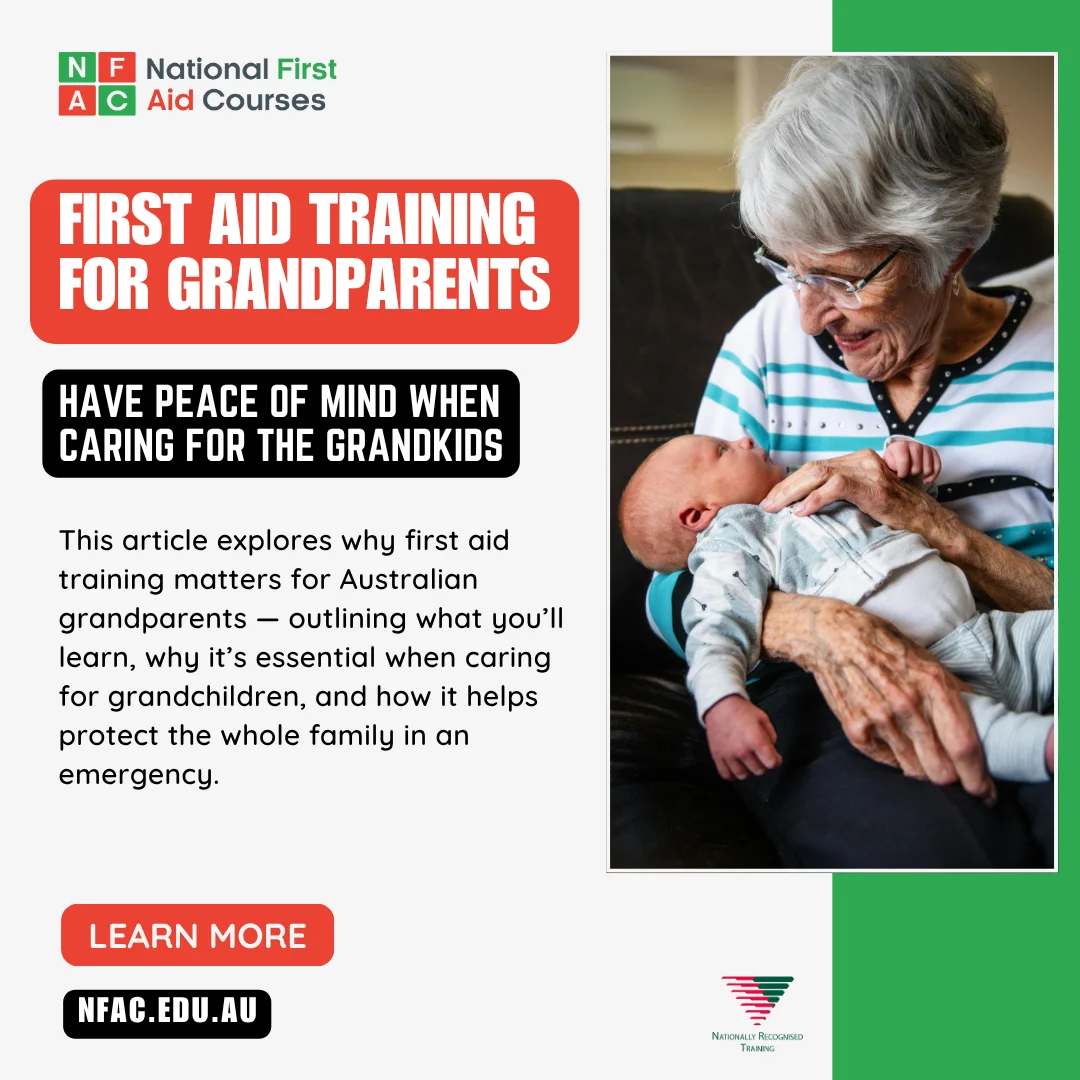
More Australian grandparents are stepping up as full-on carers, and first aid training is becoming a big part of that. School pick-ups, school holiday care, regular babysitting. You’re often the responsible adult in the room when something goes wrong. Kids are curious by nature. They climb, run, fall, and get into things, which means bumps, burns, choking, and allergic reactions come with the territory. Knowing what to do in those moments matters.
First aid has also changed a lot over the years. CPR guidelines have been updated, anaphylaxis awareness has improved, and emergency procedures look different to what many grandparents learned decades ago. That’s why so many are now completing accredited first aid courses built around emergencies involving babies, toddlers, and young children.
The goal isn’t to make you a medical professional. It’s just to make sure that if something happens while your grandchild is in your care, you’re ready for it.
Grandparents Are Playing a Bigger Role in Childcare
Across Australia, grandparents are more involved in childcare than ever before. Many families rely on grandparents to help balance work commitments, school schedules, and rising childcare costs. Some grandparents care for their grandchildren occasionally, while others provide several days of care every week.
With that increased involvement comes increased responsibility. When you’re the adult supervising children, you become the first responder if an emergency occurs. That responsibility can feel overwhelming if you’re unsure how to react in a crisis.
First aid training for grandparents helps remove that uncertainty by providing practical skills and current knowledge that can be used immediately if an emergency arises.
Why First Aid Training Matters for Grandparents
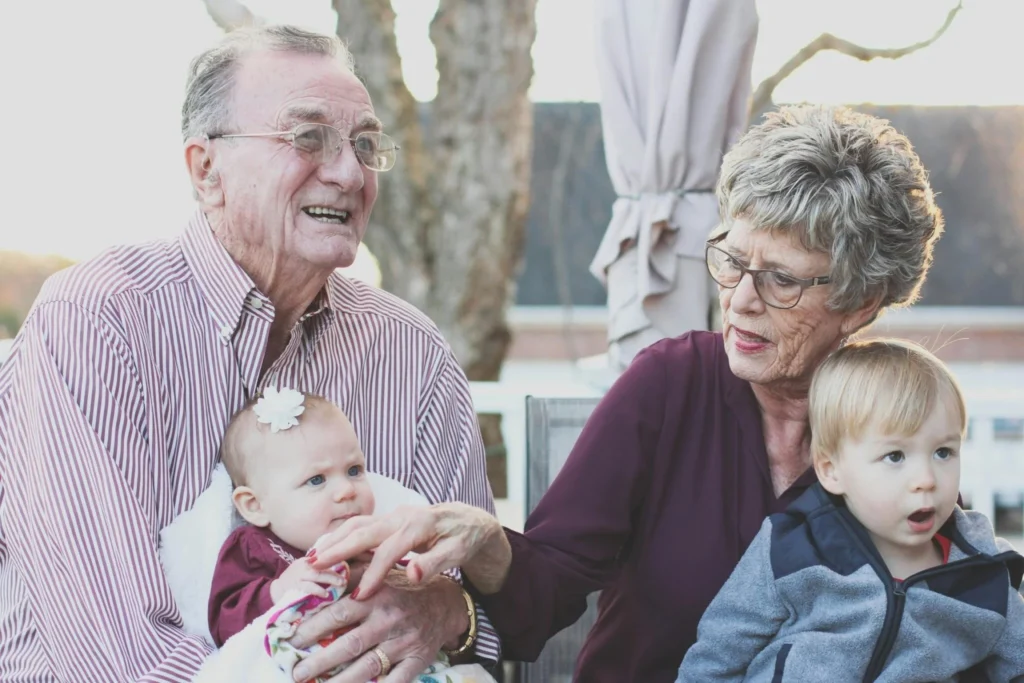
As a grandparent, you’re often the trusted caregiver parents rely on when they need support, which is why a first aid course for grandparents is so valuable.
Caring for a newborn, an energetic toddler, or a school-aged child comes with real responsibility. Emergencies can happen without warning.
Emergencies Can Escalate Quickly
If an accident or emergency happens, young children can get worse much faster than adults. Choking incidents, asthma attacks, allergic reactions, and seizures often require immediate action before emergency services arrive.
Being able to recognise the warning signs early (and provide appropriate first aid) can make a significant difference to the outcome.
You May Be the Only Adult Present
Many emergencies happen at home, in the backyard, at the playground, or during family outings. In these situations, grandparents are often the only adult available to respond. Having current first aid skills means you can take immediate action rather than feeling helpless while waiting for professional assistance.
First Aid Guidelines Have Changed
Even confident carers often find they need to update techniques they learned decades ago. CPR techniques, choking procedures, and emergency management protocols have evolved significantly over the years. What was considered best practice 20 years ago may no longer be recommended today.
First aid training for grandparents ensures your knowledge reflects the latest Australian Resuscitation Council guidelines and current medical advice.
Confidence Helps You Stay Calm
In an emergency, confidence matters. Knowing what to do helps reduce panic, allowing you to think clearly and provide effective assistance while waiting for professional medical help. This confidence comes from repetition, not theory alone.
When you’ve practised these skills in a training environment, you’re far more likely to respond quickly and effectively when every second counts.
Common Emergencies Grandparents May Encounter
Children are naturally curious, energetic, and unpredictable, which means accidents can happen quickly and often without warning.
Even in a safe home environment, everyday objects and routine activities can present unexpected risks. Understanding these emergencies helps grandparents respond calmly and effectively when it matters most. A structured first aid course for grandparents prepares you specifically for these situations.
Choking
Young children frequently place objects in their mouths, making choking one of the most common emergencies grandparents face. This can happen suddenly during playtime or mealtimes, even with familiar foods or toys, which is why immediate response training is essential.
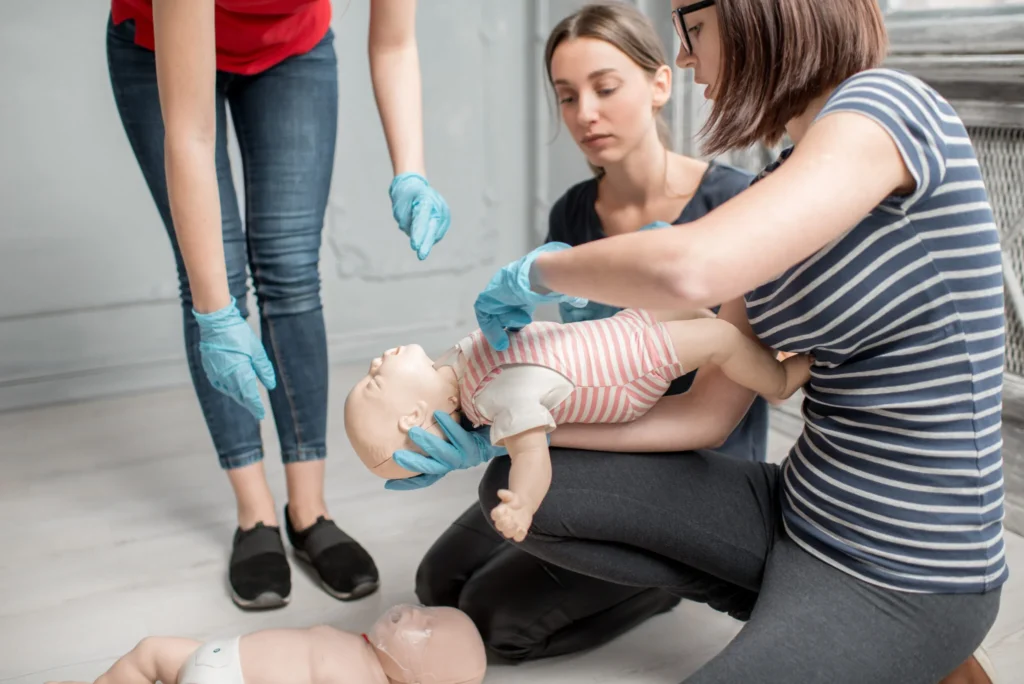
First aid training teaches you how to recognise airway obstruction and safely assist infants and children experiencing choking.
Allergic Reactions and Anaphylaxis
Food allergies are far more common today than they were a generation ago. Reactions can vary from mild symptoms to severe, rapidly escalating emergencies that require immediate action.
A severe allergic reaction can develop rapidly and become life-threatening. First aid training teaches you how to recognise anaphylaxis and correctly administer an EpiPen. In many cases, early recognition is the key factor in preventing escalation.
Asthma Attacks
Asthma affects many Australian children and can worsen quickly without appropriate treatment. Triggers such as exercise, allergies, or even weather changes can cause sudden flare-ups. Even children with well-managed asthma can experience sudden flare-ups.
You’ll learn how to assist a child experiencing breathing difficulties and when emergency medical assistance is required.
Falls and Head Injuries
From climbing frames to bicycles, falls are a common part of childhood. While many are minor, some can result in hidden injuries that are not immediately obvious. Some symptoms of head injury may not appear immediately, making observation skills essential.
Knowing how to assess injuries and recognise signs of concussion can help ensure children receive appropriate medical care.
Burns and Scalds
Hot drinks, ovens, cooktops, and bath water are common causes of childhood burns. Even brief contact with heat or hot liquids can cause significant skin damage. Learning correct burn treatment can significantly reduce tissue damage and improve recovery outcomes.
Febrile Convulsions and Seizures
Watching a child experience a seizure can be frightening. These events often occur unexpectedly, particularly during illness or fever. Knowing what NOT to do is just as important as knowing what to do in these situations. First aid training teaches you how to keep the child safe, monitor their condition, and determine when emergency medical care is needed.
The Confidence Gap Many Grandparents Don’t Realise
Most grandparents feel they would do their best in an emergency. The problem is that many people don’t realise how much first aid practices have changed.
This is one of the key reasons enrolments in first aid training for grandparents continue to rise. For example:
- CPR guidelines have been updated multiple times.
- Choking management procedures have evolved.
- Food allergy awareness is significantly higher today.
- Asthma management plans have changed.
- Anaphylaxis treatment protocols are now widely understood.
The biggest challenge isn’t usually a lack of care. It’s uncertainty. Uncertainty often leads to delayed action, which can increase risk in time-sensitive emergencies. Many grandparents hesitate because they aren’t completely sure they’re doing the right thing.
First aid training closes that confidence gap by replacing uncertainty with practical skills and hands-on experience.
What Is the Best First Aid Course for Grandparents?
When choosing first aid training for grandparents, it’s important to select a course that focuses on the types of emergencies most likely to occur when caring for children.
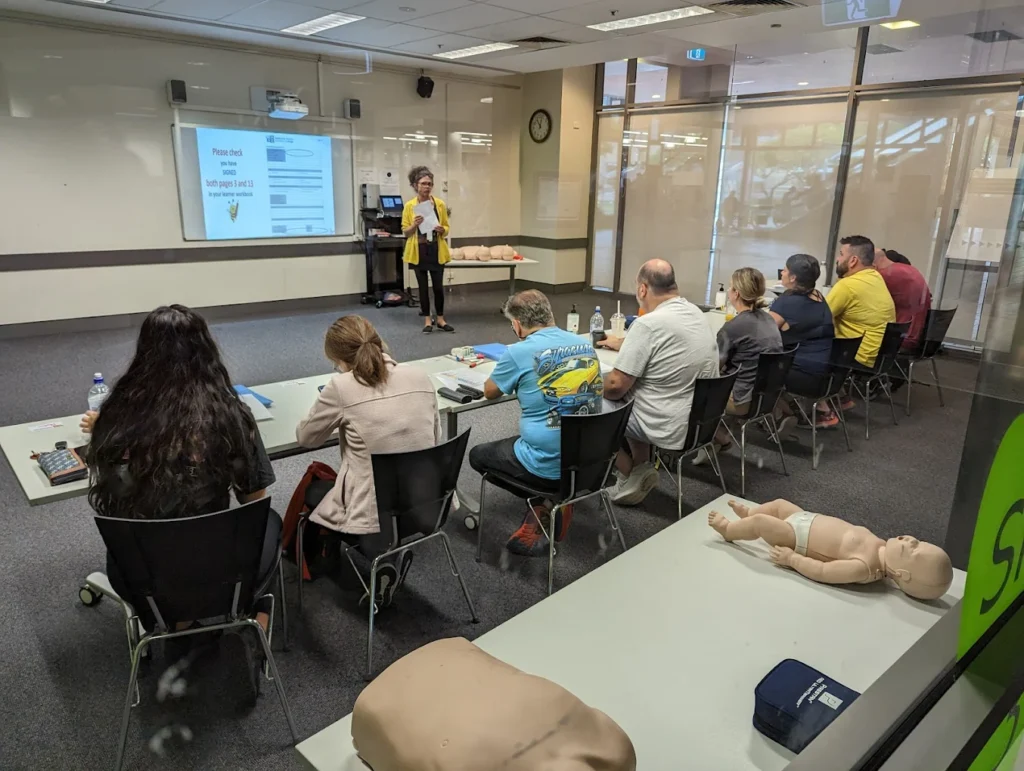
For many grandparents, the most suitable option is: HLTAID012 – Provide First Aid in an Education and Care Setting.
This nationally recognised course is designed for people responsible for the care of infants and children. It is widely recommended for anyone regularly caring for young children, including grandparents providing informal childcare.
Although it is commonly completed by childcare workers and educators, it is equally valuable for grandparents, parents, babysitters, and family carers. The course includes:
- Infant CPR training
- Child CPR training
- Adult CPR training
- Choking management
- Asthma emergencies
- Anaphylaxis response and EpiPen use
- Burns and scalds
- Fractures and head injuries
- Seizure management
- Medical emergencies involving children
This makes it one of the most suitable child first aid courses for grandparents and family carers in Australia. The training is practical, hands-on, and focused on real-life situations you may encounter while caring for grandchildren.
Frequently Asked Questions
Do grandparents need first aid training?
It’s not a legal requirement, but that’s not really the point. When you’re the adult in charge and a child stops breathing, starts choking, or has a severe allergic reaction, the last thing you want is to be unsure of what to do.
On top of that, first aid practices have changed a lot over the past few decades. CPR guidelines have been updated, anaphylaxis management has evolved, and what worked back when you were raising your own kids may not reflect current best practice. First aid training gets you up to speed and gives you the confidence to act fast when it counts.
What is the best first aid course for grandparents?
HLTAID012 Provide First Aid in an Education and Care Setting is the one most recommended for grandparents. It’s built around infant and child emergencies specifically, covering choking, CPR, anaphylaxis, asthma, febrile convulsions, and how to manage a range of situations that are far more common with young kids than adults.
It’s also a nationally recognised qualification, so you know the training meets a proper standard rather than just ticking a box.
Can grandparents learn infant CPR?
Absolutely. Child-focused first aid courses cover infant CPR, child CPR, choking response, and emergency management techniques designed specifically for young children. This is worth paying attention to because the technique for an infant is genuinely different to what you’d do for an adult or older child.
The compression depth, hand placement, and breath delivery all change depending on the age and size of the child. Getting that right can make a real difference to the outcome.
How often should grandparents refresh their first aid training?
CPR skills should ideally be updated every 12 months because guidelines do change, and the reality is that manual skills fade without practice. Full first aid qualifications are generally renewed every three years.
Most refresher courses are shorter than the original training and can often be completed in a single day. It’s a small time commitment that keeps your knowledge current and your response sharp when it matters most.
Is first aid training difficult?
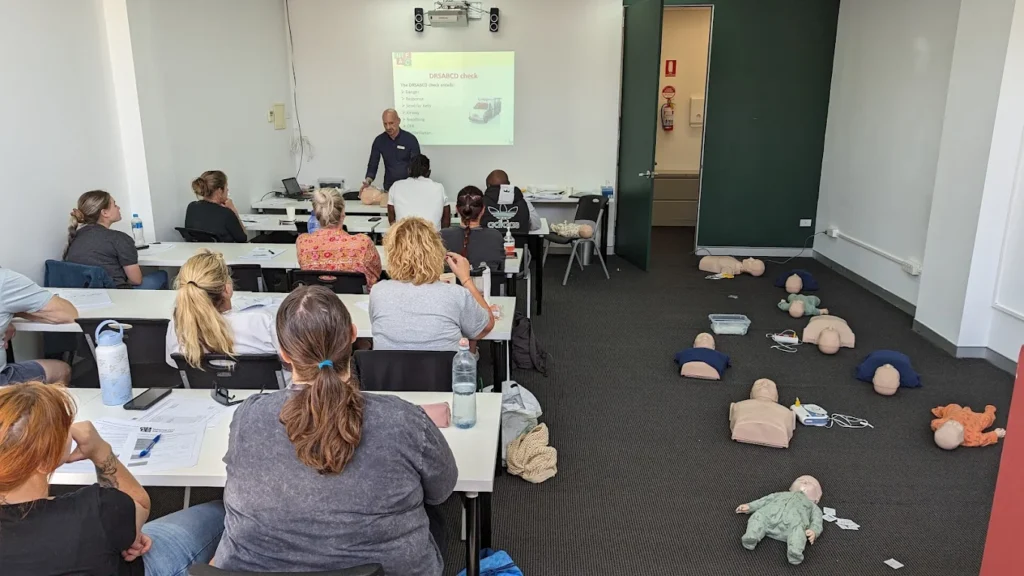
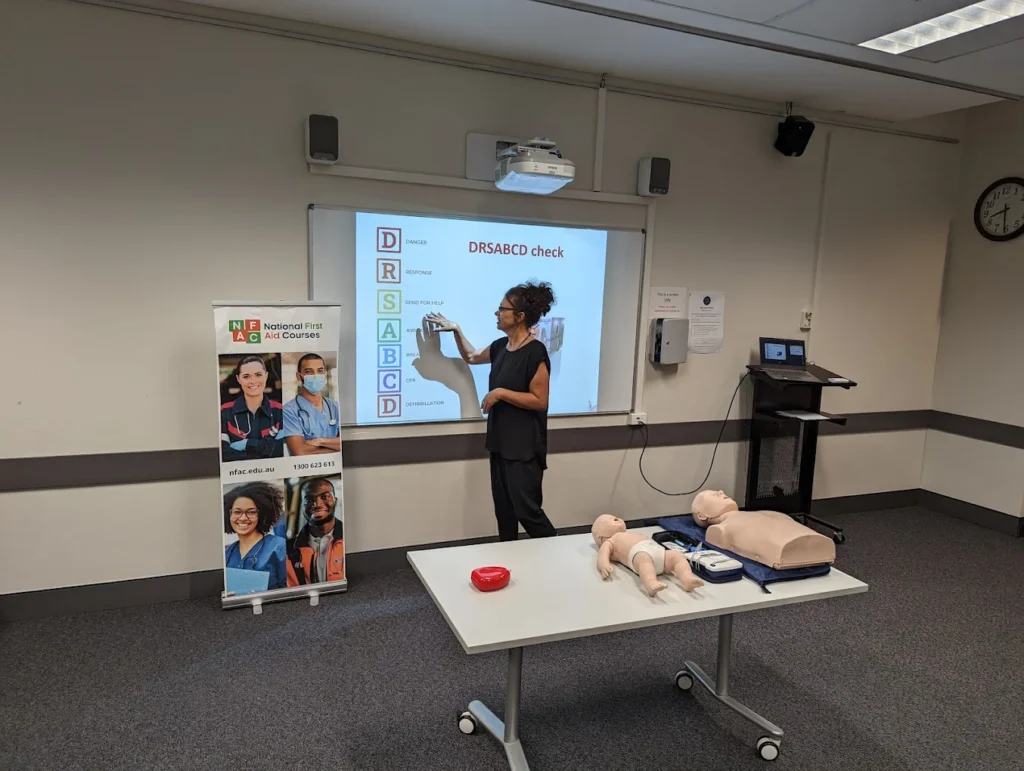
Not at all. These courses are built for everyday Australians, not medical professionals. The training is hands-on and practical, and you’ll work through real scenarios using mannequins, practice equipment, and guided instruction.
Most people walk away feeling far more prepared than they expected going in. You don’t need any prior experience or background in healthcare, just a willingness to learn and a bit of time.
Is first aid training for grandparents worth it?
For anyone regularly looking after young children, yes, without question. It builds real confidence, cuts down response times in an emergency, and can stop a situation from getting a lot worse while professional help is on the way.
Some childcare centres and early learning services also look more favourably on grandparents with current first aid qualifications, particularly in formal care arrangements.
Get Government-Approved First Aid Training at a Location Near You
Ready to feel confident and prepared to protect your grandkids when it matters most?
Look no further than National First Aid Courses — Australia’s trusted provider of accredited, nationally recognised first aid training.
As a Registered Training Organisation (RTO 41072), we deliver practical, hands-on first aid courses designed for real-life situations involving children — perfect for grandparents and carers alike.
With face-to-face training, same-day certificates, and convenient locations across New South Wales and Queensland (including Sydney, Brisbane, and the Gold Coast), it’s never been easier to get trained and certified.
Gain the skills that bring peace of mind to you and your whole family.
Enrol in an upcoming Childcare First Aid course with National First Aid Courses and be ready for whatever comes your way.