

In Short
- Most first aid courses in Australia can be completed in a single day, making them an accessible qualification for work and personal preparedness.
- A CPR course typically takes between 2 and 3 hours, while a full HLTAID011 Provide First Aid course generally takes 6-8 hours.
- Childcare first aid courses usually take 6-8 hours due to the additional training required for infant and child emergencies.
- Face-to-face first aid training includes practical assessments, helping participants build the confidence and skills needed to respond in real emergencies.
Getting a first aid course can be for work, career development, volunteering, or simply being prepared to help in an emergency. First aid skills are among the most valuable skills you can learn. Knowing how to respond when someone is injured or experiencing a medical emergency can make a significant difference in those critical moments before professional help arrives.
But before booking training, many people ask the same question: how long does a first aid course take?
Most first aid qualifications in Australia can be completed in a single day, while some courses take just a few hours. The exact timeframe depends on the type of course, the delivery method, and whether you’re completing a full qualification or a refresher.
In this guide, we’ll explain how long Australia’s most common first aid courses take, what influences course duration, and what you can expect during your training.
How Long Does a Standard First Aid Course Take?
Australia’s standard first aid qualification, HLTAID011 Provide First Aid, typically takes 6-8 hours to complete.
This nationally recognised course covers a wide range of emergency situations and medical conditions, including:
- CPR
- Choking
- Asthma
- Anaphylaxis
- Seizures
- Bleeding and wound management
- Fractures and soft tissue injuries
- Shock and unconscious casualties
Most face-to-face HLTAID011 courses take approximately 6-8 hours to complete, making it a qualification that can generally be achieved within a single day.
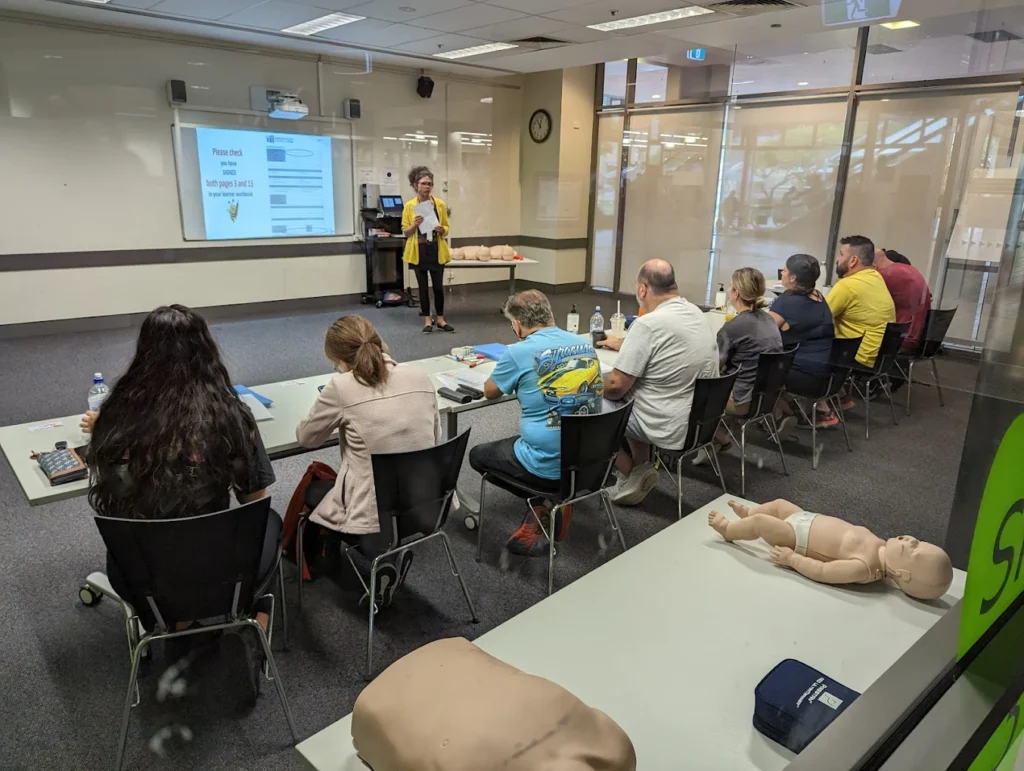
Throughout the course, participants learn both the theory and practical skills required to respond confidently in emergency situations. By the end of the training, students have had the opportunity to practise essential first aid techniques under the guidance of experienced trainers.
How Long Does a CPR Course Take?
If you only require CPR certification, the training time is considerably shorter.
The nationally recognised unit HLTAID009 Provide Cardiopulmonary Resuscitation (CPR) typically takes between 2 and 3 hours to complete.
During the course, participants learn how to:
- Recognise cardiac arrest
- Perform chest compressions
- Deliver rescue breaths
- Use an Automated External Defibrillator (AED)
- Follow current Australian Resuscitation Council guidelines
Because CPR skills can deteriorate over time, many workplaces require employees to renew their CPR certification every 12 months.
How Long Does Childcare First Aid Take?
People working in childcare and education settings often require HLTAID012 Provide First Aid in an Education and Care Setting.
This course includes all the content covered in HLTAID011 while placing additional emphasis on emergencies involving infants and children.
Topics typically include:
- Infant and child CPR
- Asthma management
- Anaphylaxis response
- Childhood illnesses and emergencies
- Seizures in children
- Child-specific first aid scenarios
Most childcare first aid courses take approximately 6-8 hours, allowing participants to gain the specialised skills required for working with young children.
Why Course Duration Varies
Across Australia, nationally recognised first aid courses follow similar competency requirements, although exact training times may vary slightly between providers. And not all first aid courses are the same. A CPR course, for example, covers a narrower set of skills than a full first aid qualification, so it naturally takes less time to complete.
Course duration can also vary depending on whether you’re undertaking a full qualification or renewing an existing certificate. Practical assessments, class sizes, and the range of skills being taught all play a role in determining how long training takes.
While many people are looking for the fastest way to get qualified, it’s important to remember that first aid is a practical skill. The goal isn’t simply to complete a course, it’s to gain the confidence and competence to respond effectively in a real emergency.
Why Face-to-Face First Aid Training Takes Time
Some people are surprised to learn that a first aid course can take several hours to complete. However, there’s a good reason for this.
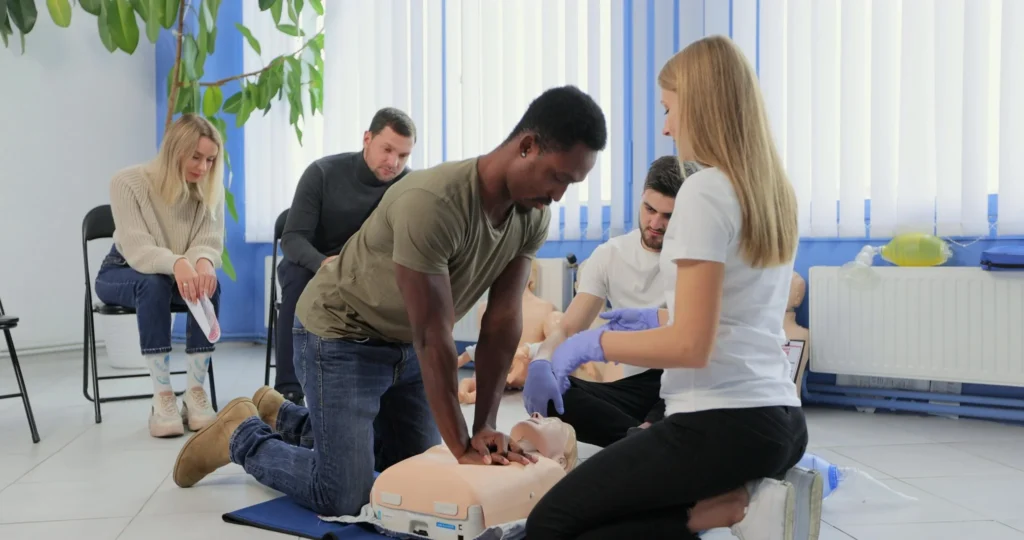
First aid isn’t simply a matter of reading information or watching videos. To become competent, participants must practise and demonstrate essential life-saving skills in a hands-on environment.
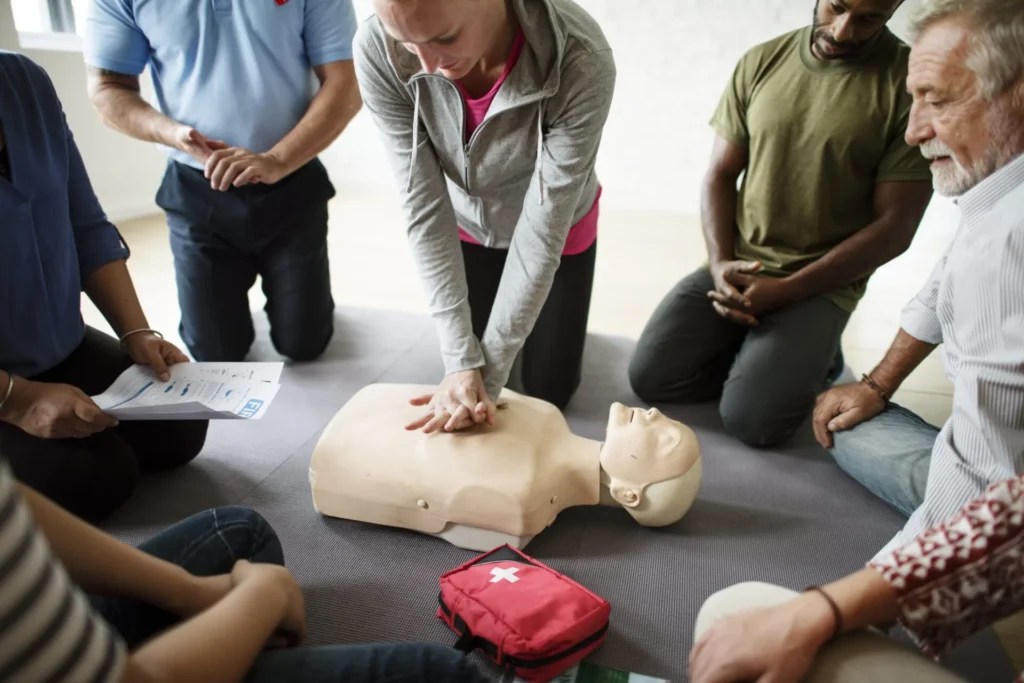
At National First Aid Courses, training is delivered face-to-face because practical experience is one of the most important parts of learning first aid. Participants work with CPR manikins, AED trainers, bandages, and simulated emergency scenarios to build confidence and competence.
These practical assessments help ensure that students don’t just understand first aid concepts, they can apply them when faced with a real emergency.
The time spent practising these skills is often what transforms first aid knowledge into effective action.
What Happens During a First Aid Course?
A first aid course combines both knowledge-based learning and practical skills development. While understanding first aid principles is important, knowing what to do in an emergency is only part of the equation. Participants also need the confidence and ability to apply those skills effectively in real-world situations.
Throughout the course, students learn how to assess emergencies, identify life-threatening conditions, and make informed decisions under pressure. They then put that knowledge into practice through hands-on training and realistic scenarios designed to simulate the types of incidents they may encounter at work, at home, or in the community.
This combination of theory and practical application helps ensure that participants leave the course not only with a qualification, but with the confidence to respond when it matters most.
Theoretical Learning
Participants learn how to:
- Assess emergency situations safely
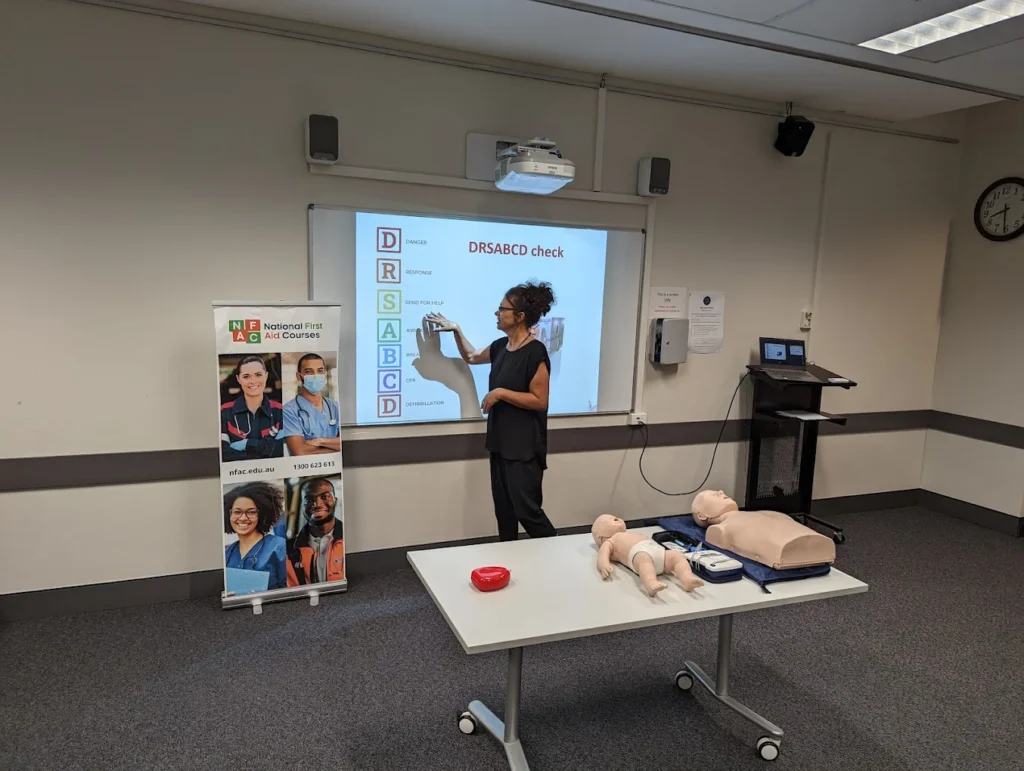
- Apply the DRSABCD action plan
- Recognise life-threatening conditions
- Understand common medical emergencies
- Determine when emergency services are required
This knowledge provides the foundation for effective decision-making during an emergency.
Practical Skills Training
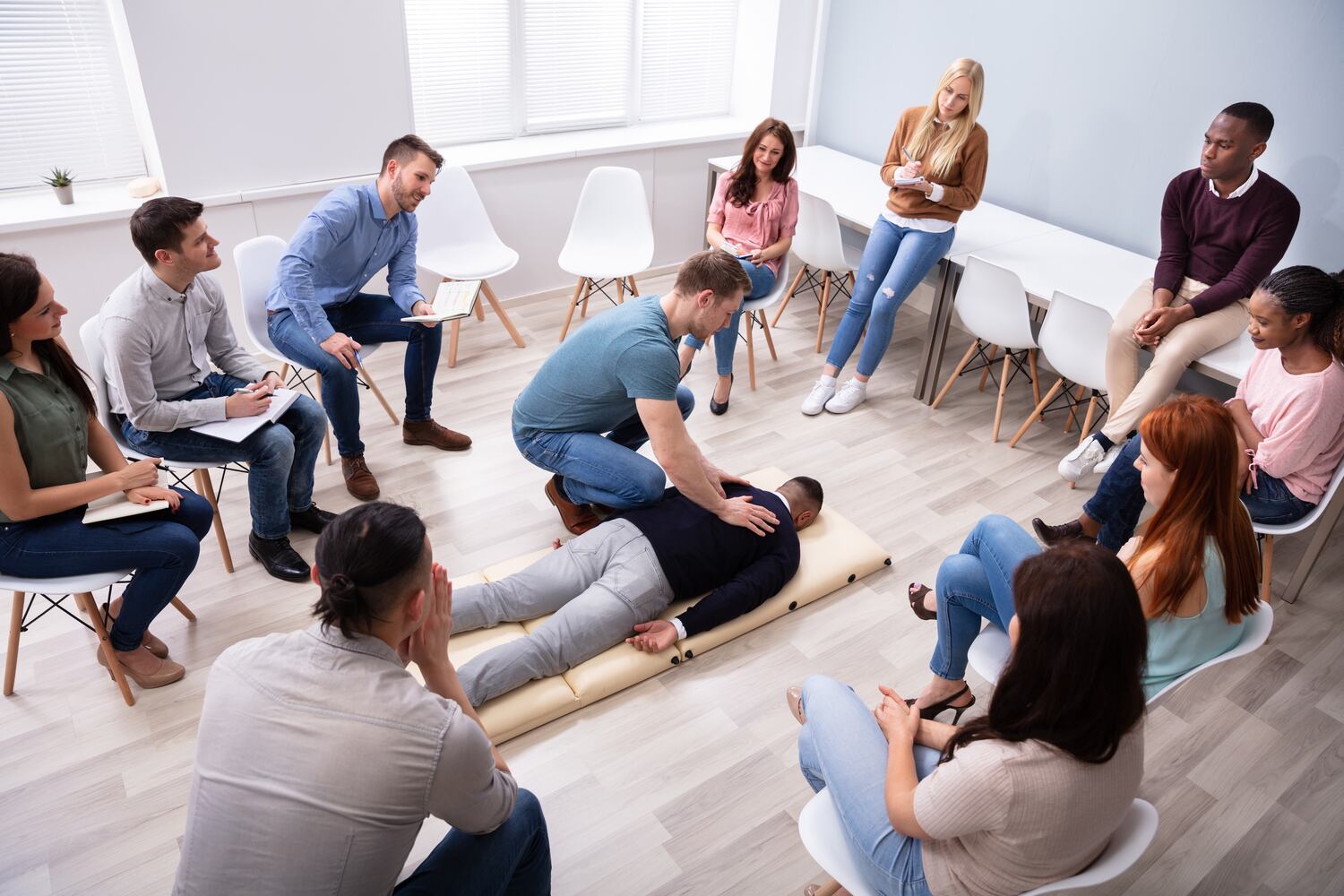
Students then put that knowledge into practice through hands-on activities. This may include:
- Performing CPR on adult and infant manikins
- Using an AED
- Managing choking incidents
- Applying bandages and slings
- Controlling bleeding
- Responding to realistic emergency scenarios
Practical learning allows participants to develop muscle memory and confidence, helping them respond more effectively when every second counts.
Assessment
To successfully complete a nationally recognised first aid course, participants must demonstrate practical competency and complete any required assessments.
These assessments ensure graduates have the skills needed to respond appropriately in emergency situations.
Is a Full Day of Training Worth It?
Medical emergencies can happen anywhere – at home, in the workplace, at sporting events, or while travelling. Having the knowledge and confidence to assist someone during those critical first minutes can make a significant difference before emergency services arrive.
A current first aid qualification can also improve employment opportunities, particularly in industries such as construction, childcare, healthcare, hospitality, fitness, community services, and education.
More importantly, first aid training provides a skill set that can benefit your family, friends, colleagues, and community for years to come.
Frequently Asked Questions
Can I complete a first aid course in one day?
Yes. Most face-to-face first aid courses, including HLTAID011 Provide First Aid, can be completed in a single day. Course duration may vary slightly between providers, but most students can gain their qualification within 6-8 hours.
How often do I need to renew my first aid certificate?
Most first aid qualifications should be renewed every three years. However, CPR skills should generally be refreshed every 12 months to ensure participants remain confident and up to date with current resuscitation practices.
What should I bring to a first aid course?
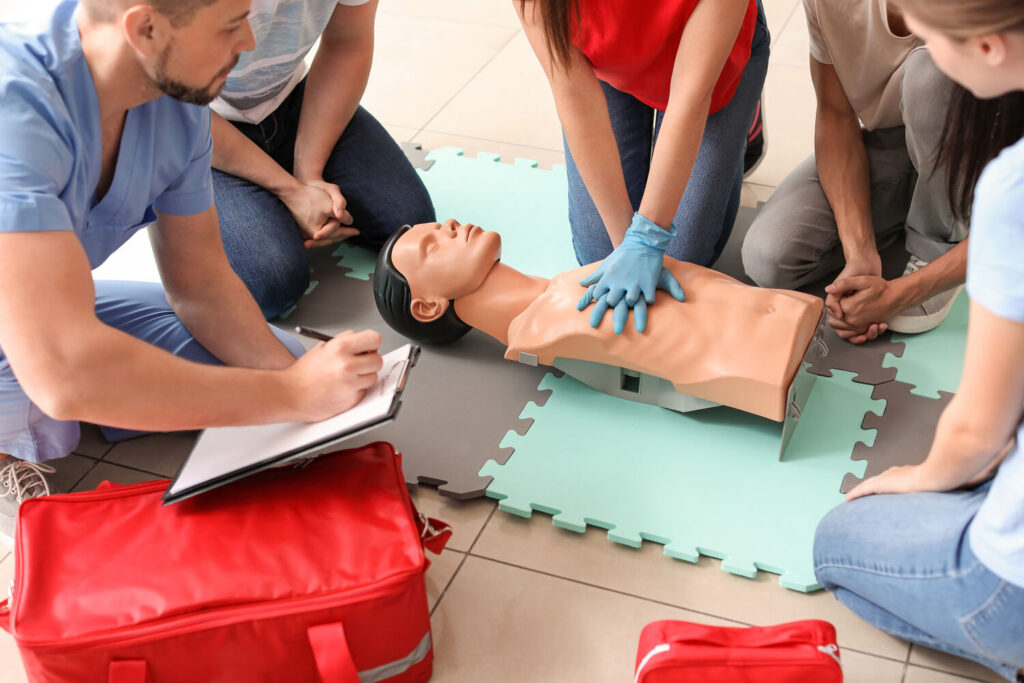
Most training providers recommend wearing comfortable clothing suitable for practical activities, as participants may be required to kneel on the floor while performing CPR assessments. You should also bring photo identification and any pre-course information provided by your training organisation.
Which first aid course do I need?
The right course depends on your workplace requirements and personal goals. HLTAID011 Provide First Aid is the most commonly completed qualification for workplaces and general first aid knowledge, while HLTAID009 CPR focuses solely on cardiopulmonary resuscitation.
People working in childcare and education settings typically require HLTAID012 Provide First Aid in an Education and Care Setting.
Get Government-Approved First Aid Training at a Location Near You
Ready to feel confident and prepared to protect your grandkids when it matters most?
Look no further than National First Aid Courses — Australia’s trusted provider of accredited, nationally recognised first aid training.
As a Registered Training Organisation (RTO 41072), we deliver practical, hands-on first aid courses designed for real-life situations involving children — perfect for grandparents and carers alike.
With face-to-face training, same-day certificates, and convenient locations across New South Wales and Queensland (including Sydney, Brisbane, and the Gold Coast), it’s never been easier to get trained and certified.
Gain the skills that bring peace of mind to you and your whole family.
Enrol in an upcoming Childcare First Aid course with National First Aid Courses and be ready for whatever comes your way.