Popular Summer Jobs in Australia That Need First Aid Training
Every summer, thousands of people search for seasonal work. Students looking for extra income over the university break, backpackers, travellers, and people seeking flexible employment all begin searching for seasonal work during the busy holiday period.


In Short
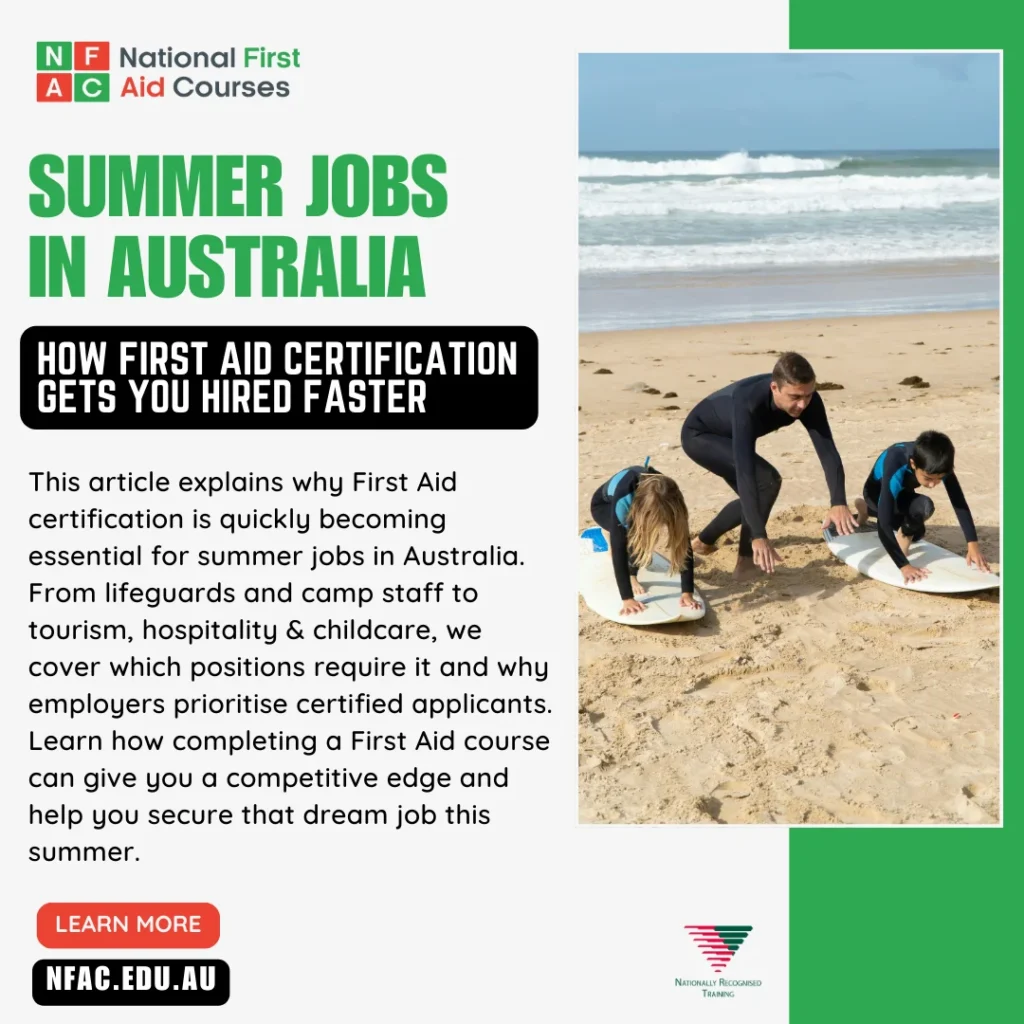
- Many summer jobs in Australia require or strongly prefer first aid certification, especially in high-risk or public-facing roles such as lifeguarding, childcare, events, and outdoor recreation.
- Having a first aid qualification can improve your chances of getting hired, particularly during summer when employers need staff who can start immediately.
- Roles involving water safety, children, large crowds, or physical activity are the most likely to require CPR and first aid training as a minimum condition of employment.
- Even when not mandatory, first aid certification gives you a clear competitive advantage, helping your application stand out and demonstrating preparedness, responsibility, and workplace safety awareness.
Due to the season and the activities involved, many of these opportunities are summer jobs that require first aid certification. After all, summers are centred around the outdoors, with popular seasonal jobs connected to beaches, pools, festivals, hospitality, tourism, childcare, outdoor recreation, and school holiday programs.
Because these environments often involve large crowds, physical activity, water safety, or responsibility for others, employers increasingly prefer staff who already hold nationally recognised first aid qualifications.
And competition for the best seasonal roles can also be intense. That’s where first aid training makes the difference.
Do You Need First Aid Certification for Summer Jobs in Australia?
Most summer jobs requiring first aid certification are found in high-risk or high-responsibility environments such as beaches, childcare settings, outdoor recreation, and large public events.
While not every seasonal role legally requires certification, many employers strongly prefer candidates who already hold CPR or first aid training.
15 Summer Jobs That Require First Aid Certification
Summer in Australia naturally brings higher safety risks. Hot weather, dehydration, crowded venues, alcohol-related incidents, outdoor recreation, and physically demanding workplaces all increase the likelihood of medical emergencies and workplace injuries.
Businesses want staff who can remain calm under pressure, respond appropriately during emergencies, help protect customers and coworkers, and start work immediately without additional training.
For many employers, hiring someone with first aid certification is no longer simply a bonus, it’s becoming an expectation.
If you’re looking for summer jobs requiring first aid certification or CPR training, here are 15 roles across Australia…
1. Lifeguard
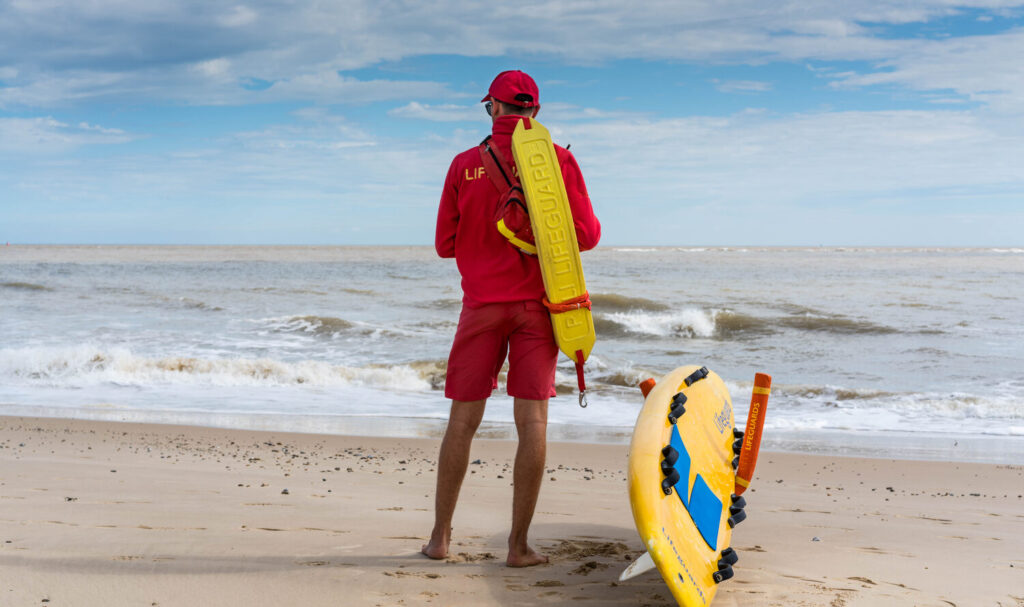
Working as a lifeguard is one of the clearest examples of a role where first aid and CPR training are absolutely essential.
Whether working at a public swimming pool, aquatic centre, or beach, lifeguards are responsible for responding immediately to medical emergencies. This can include performing CPR, using an AED (defibrillator), managing spinal injuries, treating heat exhaustion, or responding to drowning incidents.
Most employers require current first aid and CPR certification before applicants can even be considered for the role.
2. Pool Attendant
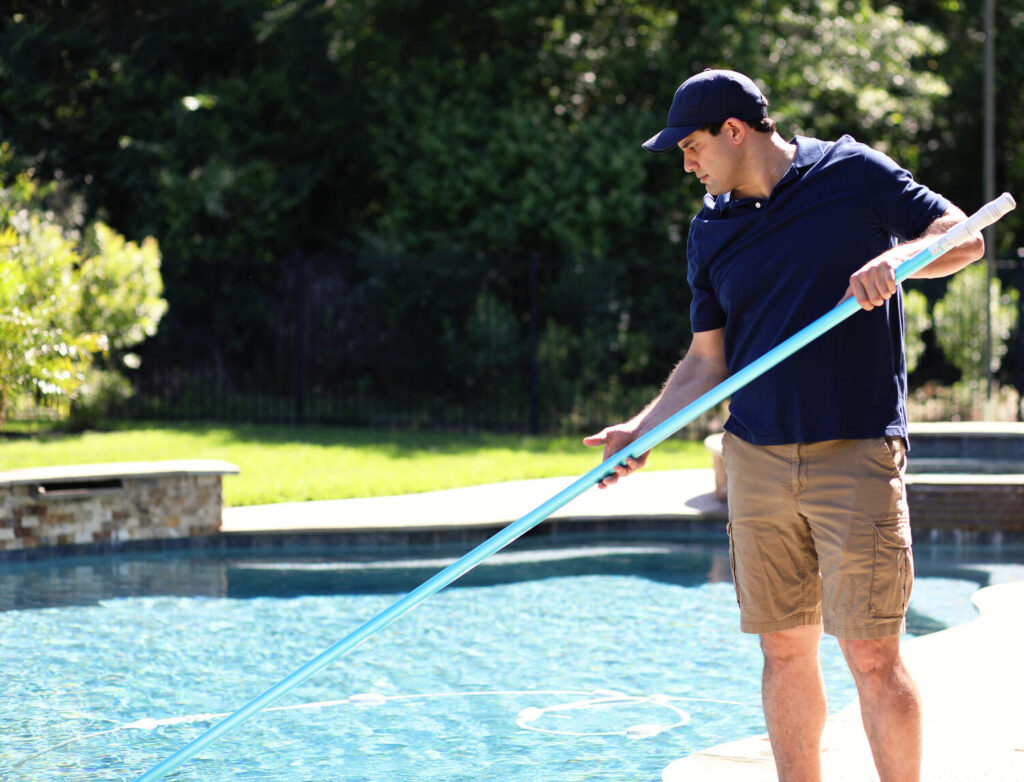
Pool attendants supervise swimming facilities, monitor safety hazards, and assist visitors during busy holiday periods.
Even in smaller venues such as resorts, apartment complexes, caravan parks, or hotel pools, employers often prefer staff who can respond quickly if someone becomes injured or unwell around water.
During summer, aquatic environments become significantly busier, making first aid training highly valuable.
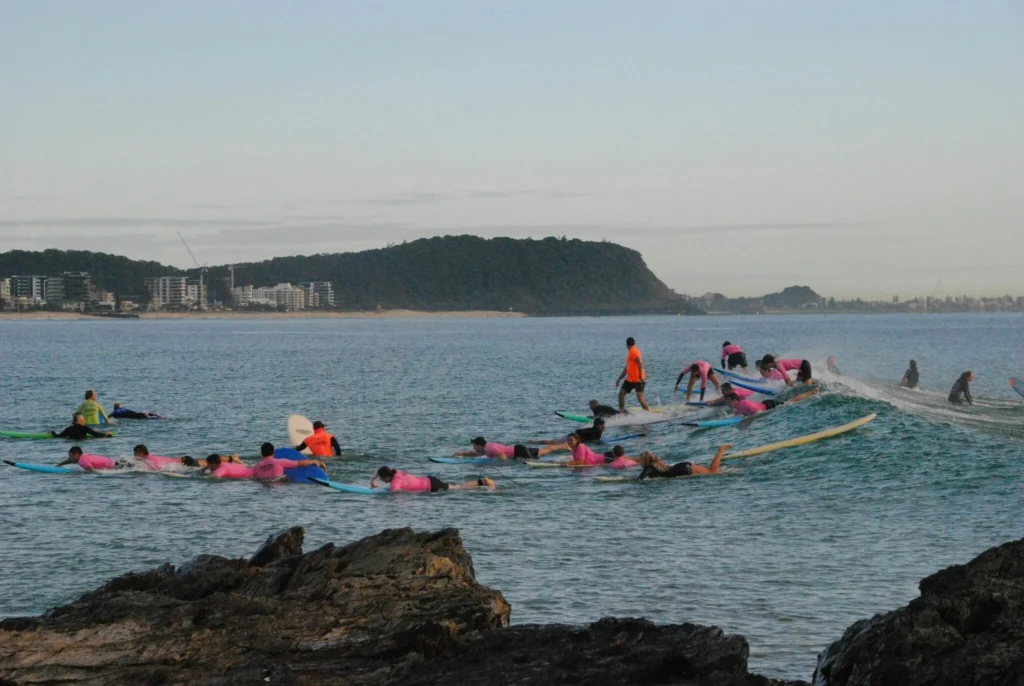
3. Surf Instructor
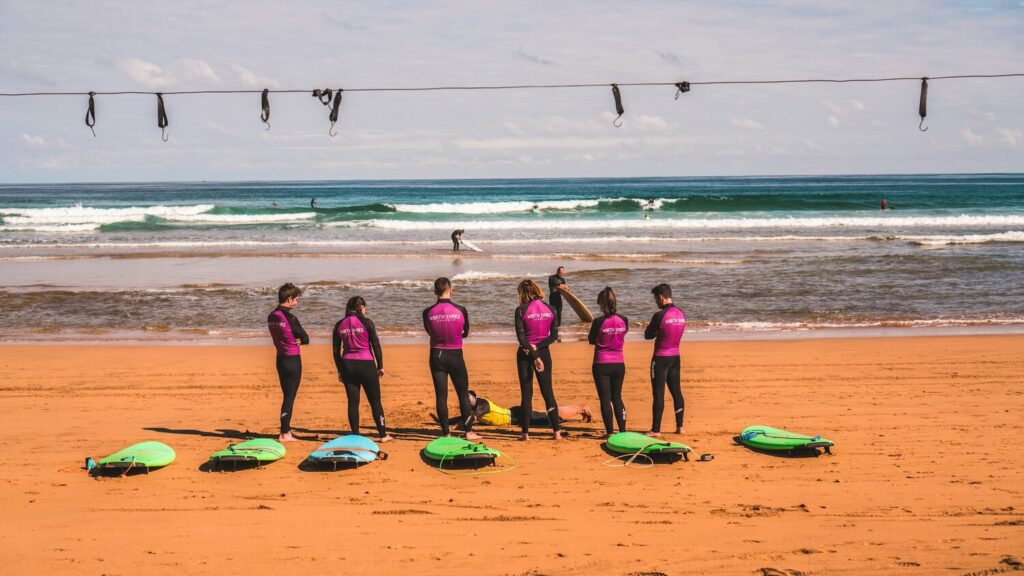
Surf schools operate heavily throughout the Australian summer, especially in coastal tourism hotspots.
Surf instructors work in unpredictable ocean conditions where accidents can happen quickly. Students may experience panic in the water, exhaustion, rip currents, cuts from surfboards, marine stings, or dehydration from prolonged sun exposure.
Because emergency services are not always immediately available on the beach, employers expect instructors to already hold CPR and first aid qualifications.
4. Surf Life Saving Patrol Staff
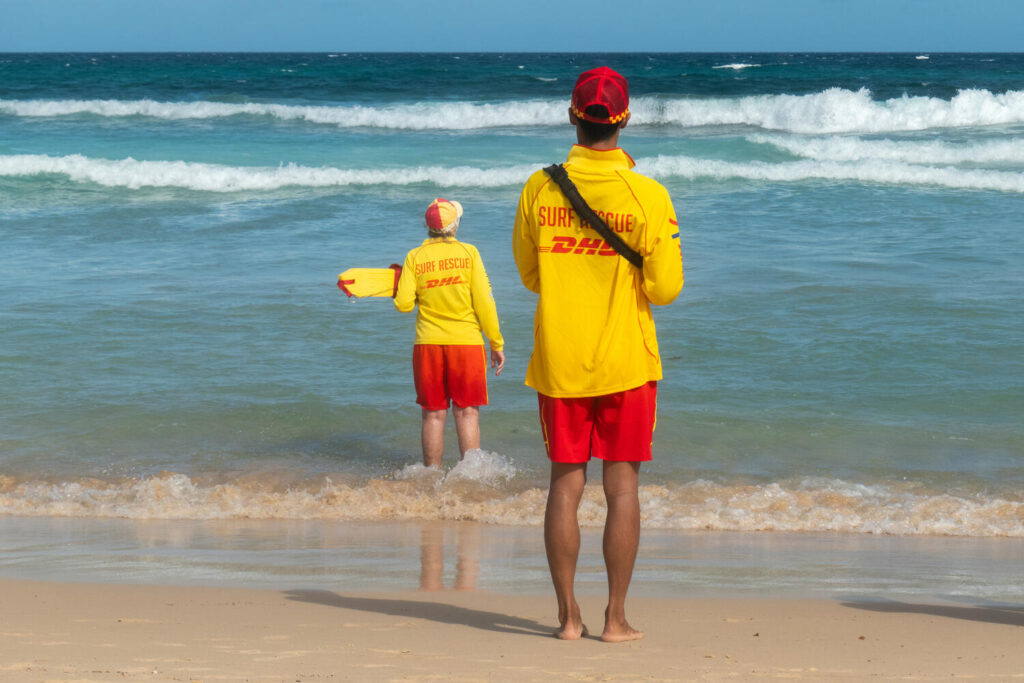
Surf patrol teams are responsible for keeping beaches safe during peak holiday periods.
This role involves monitoring swimmers, performing water rescues, responding to injuries, and providing immediate first aid care before paramedics arrive.
Current CPR and first aid certification is typically mandatory, as staff are expected to manage emergencies independently and confidently.
5. Festival and Event Crew
Summer in Australia means music festivals, sporting events, food festivals, community celebrations, and large outdoor gatherings.
Event organisers regularly hire additional seasonal staff to manage crowds, assist patrons, and support venue operations.
Because large events often involve heat exhaustion, dehydration, intoxication-related incidents, injuries, or medical emergencies, employers strongly favour applicants with first aid training.
In many cases, it can help move your application to the top of the shortlist.

6. Event Safety Marshal
Safety marshals have additional responsibility for identifying hazards and supporting emergency response procedures during events.
These workers may assist with evacuations, crowd control, incident reporting, and initial first aid response while waiting for medical personnel.
First aid certification demonstrates that you can remain calm and effective during high-pressure situations, which is exactly what employers want in safety-focused roles.

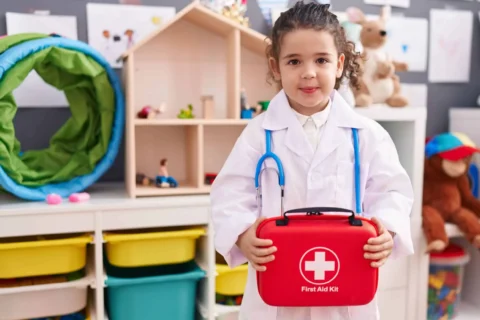
7. Childcare Worker (Holiday Programs)
Childcare centres and school holiday programs experience a major increase in demand during summer.
Working with children almost always requires specialised first aid qualifications under Australian regulations. Employers typically require staff to hold:
- HLTAID012 Provide First Aid in an Education and Care Setting
- CPR certification
- Asthma and anaphylaxis management training
Without these qualifications, many childcare providers legally cannot employ staff in educator roles.
8. Outside School Hours Care (OSHC) Educator
OSHC programs become extremely busy during school holidays as parents seek care options while working.
Educators supervise active groups of children in environments where falls, allergic reactions, asthma attacks, sports injuries, and playground accidents can occur unexpectedly.
First aid training is considered essential because staff are often the first adults responsible for responding during emergencies.
9. Aged Care Support Worker
Many aged care providers hire extra casual staff during the summer period when permanent workers take leave.
Support workers assist vulnerable clients who may experience falls, choking incidents, medical episodes, or mobility-related injuries.
Having first aid certification reassures employers that you can respond appropriately and provide immediate assistance if something goes wrong.

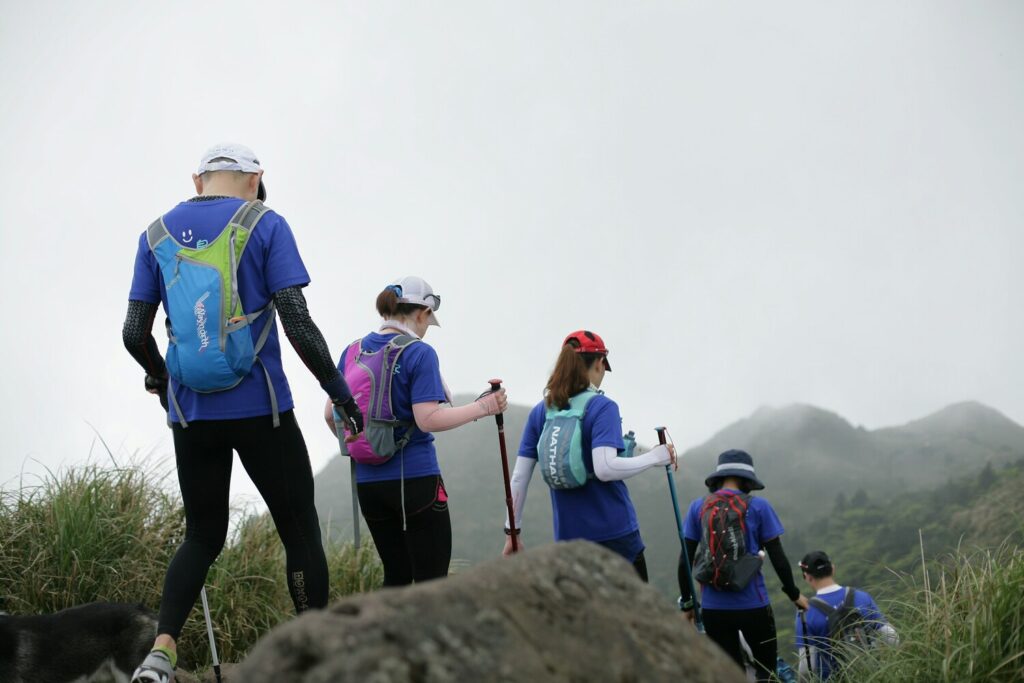
10. Outdoor Adventure Guide
Adventure tourism businesses become extremely popular during warmer months.
Guides working in hiking, kayaking, climbing, camping, or eco-tourism roles are often responsible for groups in remote locations where emergency medical assistance may be delayed.
First aid training is critical for responding to:
- Heatstroke
- Dehydration
- Snake bites
- Fractures and sprains
- Remote-area injuries
For many employers, certification is non-negotiable.
11. Camp Supervisor or Youth Camp Leader
Summer camps and youth programs involve outdoor recreation, physical activities, excursions, and large groups of children or teenagers.
Camp supervisors are expected to manage injuries, allergic reactions, burns, dehydration, and general medical incidents while maintaining calm and safety across the group.
Parents and employers alike want reassurance that staff are properly trained to handle emergencies.

12. Sports Coach
Junior sports clinics, training camps, and school holiday sports programs operate heavily during summer.
Coaches are often first on scene when participants suffer:
- Concussions
- Muscle injuries
- Heat exhaustion
- Asthma attacks
- Dehydration
Many sporting organisations either require or strongly encourage coaches to maintain current first aid and CPR qualifications.

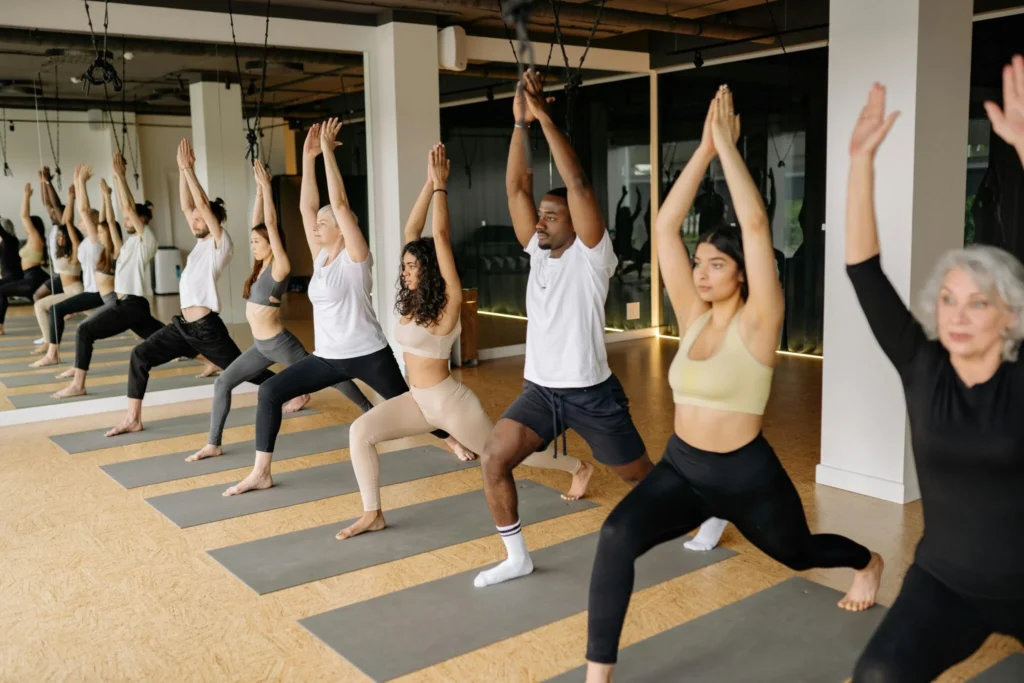
13. Fitness Instructor
Summer is peak season for gyms, outdoor boot camps, fitness classes, and personal training services.
Fitness instructors are responsible for participant safety during physical activity and may need to respond quickly to fainting, dehydration, cardiac emergencies, or exercise-related injuries.
CPR certification is commonly mandatory, while full first aid certification significantly improves employability.
14. Hospitality Staff in Busy Venues
Restaurants, pubs, bars, cafes, and resorts become significantly busier during holiday periods.
While first aid certification is not always legally required in hospitality, employers highly value staff who can assist during customer or workplace incidents involving:
- Burns and cuts
- Slips and falls
- Allergic reactions
- Intoxication-related incidents
- Medical emergencies
In competitive hiring periods, having first aid certification can help your resume stand out immediately.

15. Warehouse and Logistics Worker
Retail demand increases dramatically during summer and Christmas, leading warehouses and logistics companies to recruit large numbers of seasonal staff.
These environments often involve heavy lifting, repetitive movement, machinery, forklifts, and fast-paced operations where workplace injuries can occur.
First aid certification demonstrates strong safety awareness and may improve your chances of securing roles with greater responsibility or longer shifts.

Why First Aid Certification Gives You a Competitive Advantage
When employers compare applicants for summer jobs, they’re not just looking for enthusiasm or availability. They’re looking for people who are prepared. Having first aid certification tells employers that you:
- Take workplace safety seriously
- Can respond calmly during emergencies
- Require less onboarding and compliance training
- Bring additional value to the workplace
- Are ready to start immediately
For some jobs, it’s mandatory. For many others, it’s the qualification that gets your application noticed first.
How to Get First Aid Certified for Summer Jobs
If you’re targeting summer jobs that require first aid certification, getting qualified before peak hiring season can significantly improve your chances of employment.
Most nationally recognised first aid courses in Australia can be completed in a single day, making it possible to become job-ready before peak summer hiring begins. For most seasonal roles, employers are looking for one of the following qualifications:
HLTAID009 – Provide CPR
HLTAID009 Provide CPR focuses on life-saving CPR skills and the use of automated external defibrillators (AEDs). It’s commonly required for fitness, aquatic, and sports-related jobs.
HLTAID011 – Provide First Aid
This is the standard workplace first aid qualification requested by many Australian employers. It covers CPR, bleeding, burns, fractures, allergic reactions, medical emergencies, and more.
For many summer jobs requiring CPR certification or workplace safety training, HLTAID011 Provide First Aid is the most widely accepted course.
HLTAID012 – Provide First Aid in an Education and Care Setting
The HLTAID012 Provide First Aid in an Education and Care Setting course is designed for people working with children and includes asthma and anaphylaxis management alongside general first aid training. It is typically required for:
- Childcare centres
- Vacation care programs
- OSHC services
- School holiday programs
Most training providers offer flexible weekday and weekend sessions, with practical face-to-face training and fast certificate turnaround times. When choosing a course provider, look for:
- Nationally recognised training
- Experienced trainers
- Hands-on practical assessment
- Same-day or fast certification
- Convenient training locations
Completing your first aid certification before applying for jobs can significantly improve your chances of being shortlisted, especially during the busy summer recruitment period when employers often need staff ready to start immediately.
Frequently Asked Questions
Do all summer jobs require first aid certification?
No, not all summer jobs require first aid certification. However, many summer jobs requiring first aid certification or CPR training are in safety-sensitive environments where employers strongly prefer trained staff to reduce risk and improve emergency response.
Which summer jobs require first aid certification the most?
The most common summer jobs that require first aid certification in Australia include:
- Lifeguards and pool attendants
- Childcare and school holiday program educators
- Surf instructors and beach safety staff
- Event and festival workers
- Outdoor adventure guides
- Sports coaches and fitness instructors
Can I get a summer job without first aid certification?
Yes, you can still get seasonal work without certification. However, many summer jobs requiring first aid certification are more competitive, and having training can significantly improve your chances of being hired quickly.
How quickly can I get first aid certified in Australia?
Most first aid courses can be completed in one day. Once completed, you can apply for summer jobs requiring CPR or first aid certification immediately, making it one of the fastest ways to become job-ready.
Is first aid certification worth it for summer work?
Yes. First aid certification is highly valuable for summer jobs that require first aid certification, as it increases employability, improves safety awareness, and helps candidates stand out during peak hiring periods.
Accredited First Aid Training To Help You Get Your Dream Job This Summer
Ready to Complete your First Aid Training?
If you’ve never done a first aid course before, completing your initial training is the best way to build the skills you need to respond confidently in an emergency.
National First Aid Courses provides nationally recognised training in:
- HLTAID009 – Provide Cardiopulmonary Resuscitation (CPR)
- HLTAID010 – Provide Basic Emergency Life Support
- HLTAID011 – Provide First Aid
Our courses are designed to be practical, accessible, and aligned with the latest Australian safety guidelines, helping individuals and workplaces stay prepared for emergencies.
Whether you need certification for work or simply want to learn life-saving skills, completing a first aid course ensures you are ready to respond when it matters most.