How to Write a First Aid Policy (Free Checklist)
Would your team know what to do if someone collapsed at work? What about a serious cut, an allergic reaction, or a medical emergency that escalates in seconds?


In Short
- A workplace first aid policy helps businesses meet WHS obligations and respond effectively to emergencies.
- Policies should include responsibilities, equipment, training, reporting procedures, and review schedules.
- Australian workplaces must provide appropriate first aid resources under WHS Regulations 42.
- Regular training and policy reviews are essential for maintaining compliance and preparedness.
- Using a workplace first aid policy template or checklist can simplify the process.
Most workplaces think they’re prepared because there’s a first aid kit somewhere on the premises. But real preparedness comes from having a clear, practical first aid policy that everyone understands and can actually follow under pressure.
If you’re wondering how to write a first aid policy for your workplace, this guide walks you through the process step-by-step, in plain English, with a free checklist you can use straight away.
Why Workplace First Aid Policies Matter
A workplace first aid policy isn’t just a compliance document sitting in a folder. It’s a practical guide that tells your team:
- What to do in an emergency
- Who is responsible for what
- Where equipment is located
- When to escalate to emergency services
- How incidents are recorded and reviewed
In short, it removes guesswork when things go wrong. And in Australian workplaces, that clarity isn’t optional.
What the Law Says in Australia
Under the Model Work Health and Safety (WHS) Regulations (specifically Regulations 42) every Person Conducting a Business or Undertaking (PCBU) has a legal duty to ensure that first aid is properly planned, resourced, and maintained in the workplace.
In practical terms, this means you can’t treat first aid as an afterthought or a “nice to have”, it needs to be actively managed as part of your overall WHS system.
At a minimum, a PCBU must ensure:
- First aid equipment for businesses is provided, appropriately stocked, and easily accessible to workers at all times
- First aid facilities are available where the nature of the work or workplace requires them (for example, a dedicated first aid room in larger or higher-risk environments)
- An adequate number of trained first aiders are available, with coverage that reflects both the size of the workforce and the level of risk present in the workplace
These obligations are further supported by the Code of Practice: First Aid in the Workplace, published by Safe Work Australia. This Code provides practical guidance on how to meet your legal duties, including recommendations around risk assessments, minimum kit contents, training levels, and how many first aiders are appropriate for different types of workplaces.
While the Model WHS laws are adopted in most Australian jurisdictions, it’s important to note that each state and territory has its own regulator that enforces these requirements and may provide additional guidance or industry-specific expectations. These include:
Other jurisdictions (such as Western Australia, South Australia, and Tasmania) operate under similar WHS principles, but may publish their own supporting codes, guidance materials, or compliance resources.
Although there are minor variations between states, the underlying expectations are consistent nationwide: workplaces must be prepared to respond quickly and effectively to injury or illness, with suitable equipment, trained personnel, and clear procedures in place.

How to Write a First Aid Policy (Step-by-step)
Writing a workplace first aid policy doesn’t need to be complicated, but it does need to be clear, practical, and tailored to how your business actually operates. Too often, policies are written as formal documents to satisfy compliance requirements, but they don’t translate into real action when an incident occurs.
A good first aid policy should do the opposite. It should make decision-making easier in an emergency, not harder. It should remove uncertainty, define responsibilities clearly, and ensure that anyone in the workplace, regardless of their role, knows what to do and who to go to if someone is injured or unwell.
So with that in mind, let’s break down exactly how to write a first aid policy. The goal isn’t to create something overly technical or difficult to maintain. It’s to give you a clear structure that you can apply in real workplaces, so your policy actually works when it’s needed most.
1. Start with purpose and scope
Begin by explaining why the policy exists and who it applies to. Keep it simple and direct.
For example:
This policy outlines how [Company Name] manages first aid procedures to ensure the health and safety of all employees, contractors, and visitors across all workplaces.
If you operate across multiple sites (office, warehouse, fieldwork), make that clear here.

2. Define Responsibilities Clearly
One of the biggest gaps in workplace safety is confusion about responsibility. Your policy should clearly outline:
Employer / PCBU responsibilities
- Provide compliant first aid kits and facilities
- Ensure trained first aiders are available
- Maintain training records and equipment
First aiders
- Respond to incidents
- Maintain first aid kits (where assigned)
- Keep certifications up to date
All staff
- Report incidents immediately
- Know where kits and procedures are located
- Follow emergency instructions
This section should remove ambiguity, not create it.
3. Outline First Aid Equipment and Facilities
This is where you explain what’s physically available in your workplace to support first aid responses and medical emergencies.
The aim is to clearly document what equipment, facilities, and resources staff can access, where they are located, and how they are maintained.
In an emergency, people shouldn’t have to guess where the first aid kit is, whether supplies are stocked, or who is responsible for checking equipment. Your policy should make all of that immediately clear.
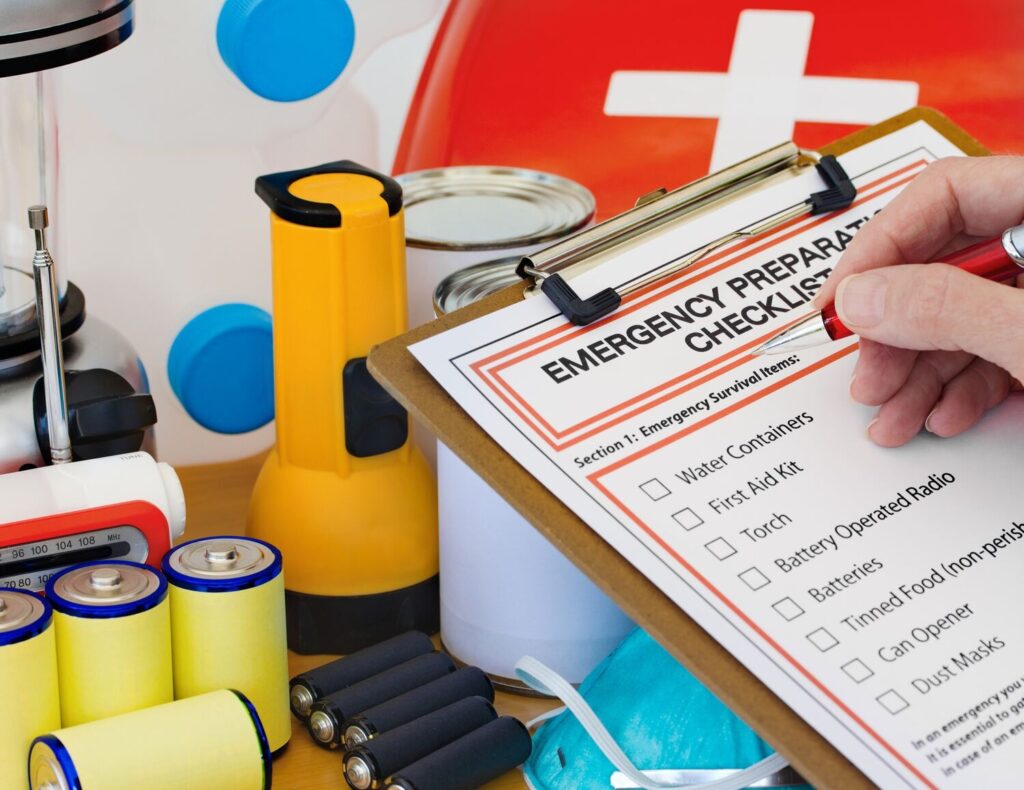
Include:
- Location of first aid kits
- Contents aligned with Safe Work Australia recommendations
- Who checks and restocks kits (and how often)
- Location of AEDs (defibrillators), if applicable
- Any first aid room or designated treatment space
A good rule of thumb: if someone new started today, could they find everything within 30 seconds?

4. Set Training Requirements
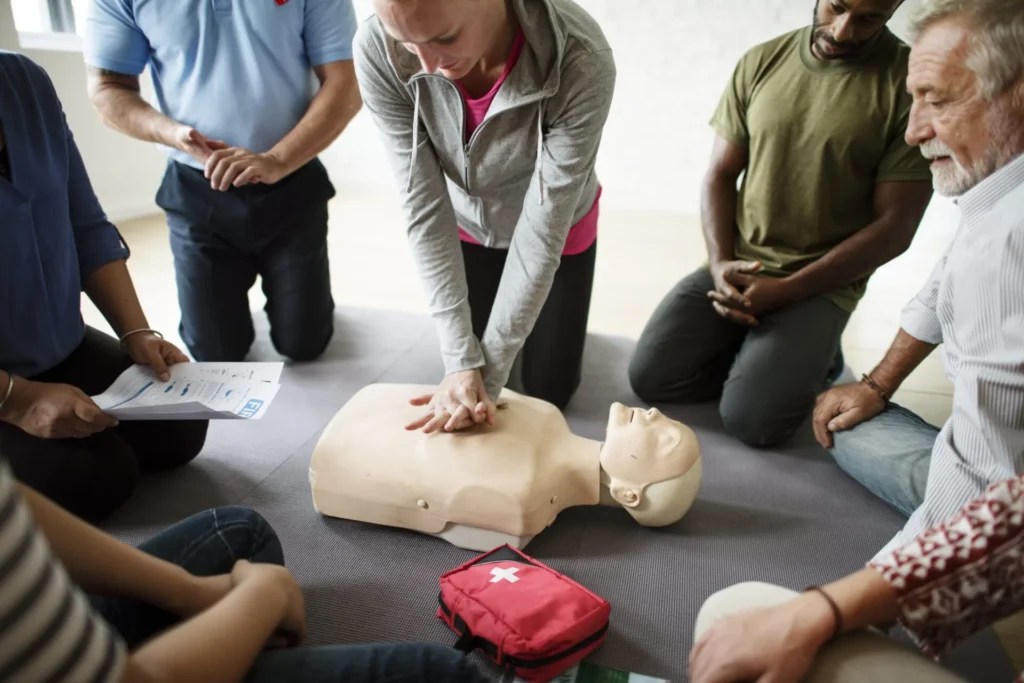
Training is what turns a policy into real-world capability. A workplace can have excellent procedures written on paper, but in an actual emergency, the outcome often depends on whether staff feel confident enough to respond quickly and correctly.
Regular first aid training helps employees recognise emergencies, stay calm under pressure, and take practical action while waiting for medical assistance to arrive.
It also ensures your workplace isn’t just technically compliant, but genuinely prepared to protect the health and safety of the people on site.
Your policy should specify:
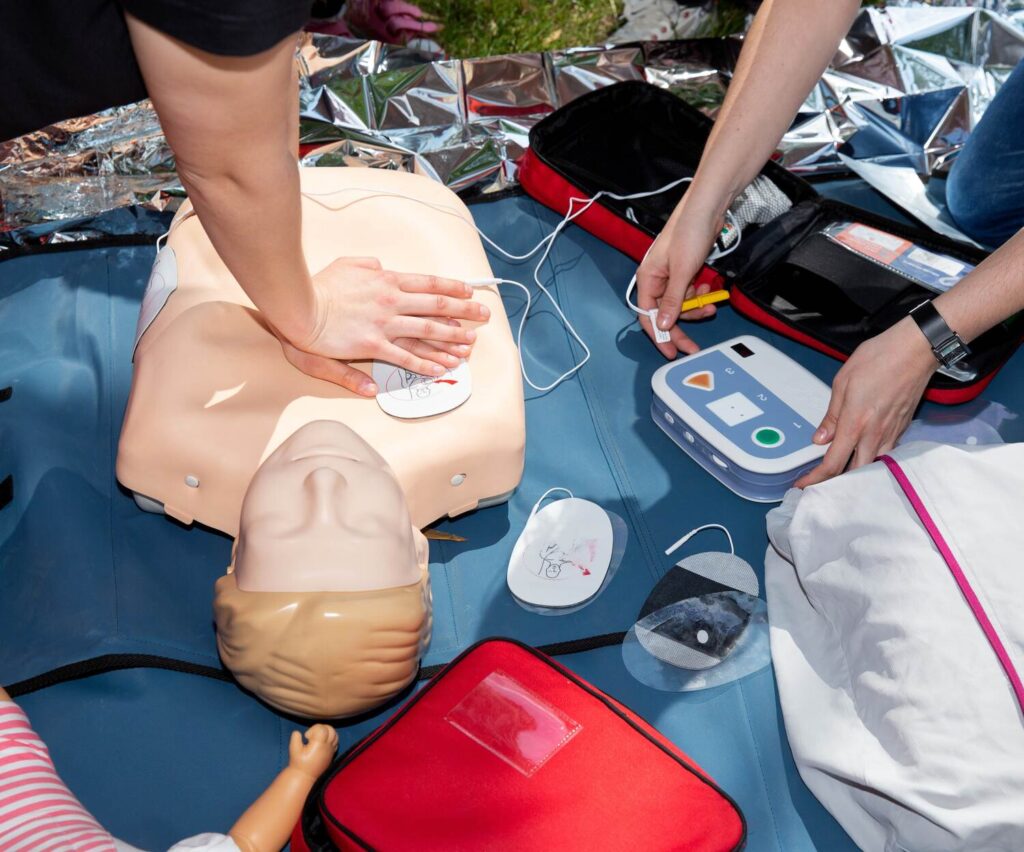
- HLTAID011 Provide First Aid for general workplace first aiders
- HLTAID009 CPR refresher annually
- HLTAID012 for childcare or education settings (if relevant)
- Refresh cycles (CPR annually, full certification every 3 years)
- How training is tracked and renewed
It’s also important to include onboarding expectations so new staff don’t miss critical safety information.
5. Explain Incident Response and Reporting
The incident and response section is critical because emergencies are chaotic by nature. When someone is injured or suddenly becomes unwell, people often panic, hesitate, or assume someone else is taking control.
Clear response and reporting procedures help remove that uncertainty by giving staff a simple process to follow during high-pressure situations.
Your policy should clearly outline:
- Who provides first aid treatment
- When emergency services (000) should be called
- How incidents are reported and documented
- Where incident forms are stored
- How privacy and records are managed
The goal is to make the response automatic, not uncertain.
6. Set a Review Schedule
Workplaces change constantly. Staff come and go, people move into different roles, new equipment or processes are introduced, and the overall risk profile of the business can shift over time.
A first aid policy that was appropriate two years ago may no longer reflect the realities of your current workplace. Regular reviews help ensure your procedures, training requirements, first aid coverage, and equipment remain accurate, compliant, and effective as your business evolves.
Your policy should state:
“This policy will be reviewed annually or following a workplace incident, legislative change, or significant operational update.”
Assign responsibility for the review so it doesn’t get forgotten.

Free Workplace First Aid Policy Checklist
Use this checklist to build or review your policy and identify any gaps in your current first aid procedures.
It’s designed to help you assess whether your workplace has the right equipment, training, reporting processes, and responsibilities clearly documented and properly maintained.
Even if you already have a first aid policy in place, working through a checklist like this can help ensure nothing important has been overlooked and that your procedures still reflect the current needs and risks of your workplace.
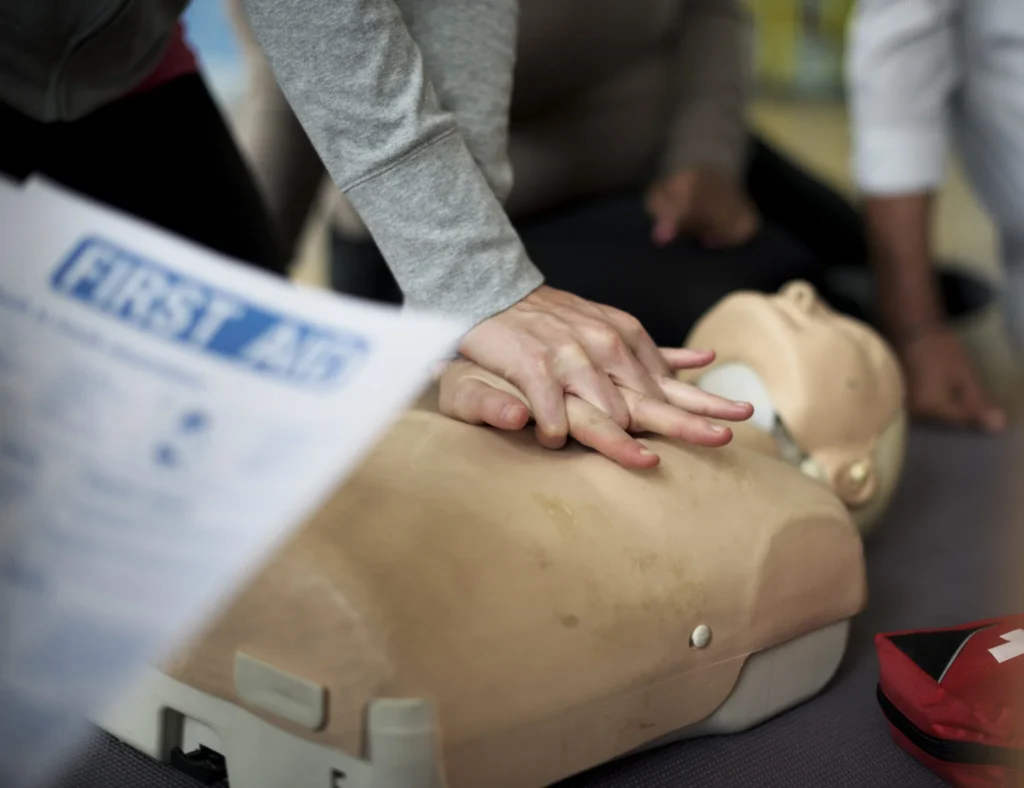
Policy Structure
- Purpose and scope clearly defined
- Responsibilities assigned (employer, first aiders, staff)
- Review date included
Equipment and Facilities
- First aid kits available and clearly marked
- Kits accessible in all required areas
- Contents meet Safe Work Australia guidance
- AED available if required for workplace risk
- Kits checked and restocked regularly (monthly recommended)
- First aid room available where needed
Training and Certification
- Adequate number of trained first aiders per shift
- Staff hold current HLTAID011 certification
- CPR refreshed annually (HLTAID009)
- Training records are maintained and updated
- First aid responsibilities included in onboarding
Incident Response and Reporting
- Clear steps for emergency response
- Emergency numbers displayed visibly
- Incident reporting process documented
- Forms are accessible and completed after incidents
- Records stored securely and confidentially
Review and Compliance
- Policy reviewed at least annually
- Aligns with Code of Practice: First Aid in the Workplace
- Meets state-based WHS requirements (where applicable)
- Updated after workplace changes or incidents
If you’re creating your policy from scratch, using a workplace first aid policy template or example can make the process much easier.
What Most Businesses Get Wrong
Even well-intentioned workplaces often miss the basics when it comes to first aid preparedness. In many cases, businesses genuinely believe they’re compliant because they have a first aid kit on site or someone completed training years ago.
But when an actual emergency happens, small gaps quickly become obvious – expired supplies, unclear responsibilities, missing refresher training, or staff who simply don’t know the procedures.
These issues are rarely caused by negligence; more often, they happen because first aid systems aren’t reviewed regularly or integrated into everyday workplace culture.
Here are the most common issues:
- First aid kits that are outdated or not restocked
- Staff unaware they are designated first aiders
- New employees not shown where kits or procedures are located
- CPR certification allowed to expire
- Policies written but never actively used
A policy only works if people know it exists and can use it under pressure.
As one trainer often puts it: “Your first aid policy shouldn’t just exist on paper. It needs to exist in behaviour.”
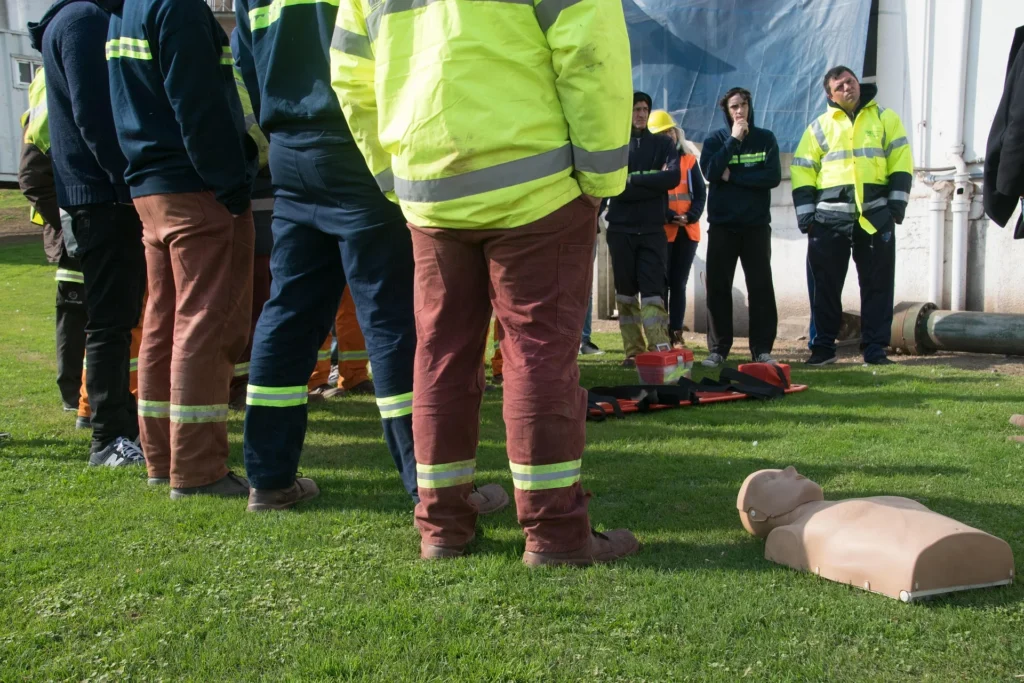
How Many First Aiders Do Businesses Need?
When it comes to how many staff are required to have first aid training in a workplace, there’s no single number. Guidance from Safe Work Australia helps determine minimum coverage based on risk level.
Low-risk Workplaces (Offices, Retail)
- 1 first aider per 1–50 workers
- Additional first aiders as staff numbers increase
High-risk Workplaces (Construction, Warehousing)
- Higher ratio required due to injury risk
- Typically 1 first aider per 10–50 workers depending on size
You may also need more coverage if:
- Staff work across shifts
- You operate across multiple sites
- Vulnerable people are present (children, elderly clients)
- There are known hazards or remote work conditions
When in doubt, a risk assessment is the safest approach.
Frequently Asked Questions
Do small businesses need a formal first aid policy?
Yes, even if you only have a few employees, you’re still legally required to manage first aid risks under WHS laws. A written policy doesn’t need to be complex, but it should clearly outline what’s available (e.g. kits), who’s trained, and how incidents are handled. It’s also useful during audits, inspections, or onboarding new staff.
Is a first aid policy legally required?
There’s no Australian law that specifically says you must have a written first aid policy. That being said, under the Work Health and Safety Act, you’re legally required to provide first aid for your workers.
A written policy is the clearest way to show you’ve actually thought it through and have a proper system in place. If something goes wrong and you can’t demonstrate that, you’re exposed. So while it’s not technically mandatory, not having one is a risk most businesses shouldn’t take.
What’s the difference between a first aid procedure and a first aid policy?
A policy sets out your commitment and the rules. It’s the “what and why.” A procedure is the step-by-step breakdown of how you actually carry it out. Think of your first aid policy as the framework that says you’ll provide first aid, and the procedure as the instructions your team follows when someone actually gets hurt.
Both matter, but they serve different purposes. You need the policy to set the standard and the procedure to make sure people know exactly what to do when it counts.
How often should CPR be refreshed?
Every 12 months. That’s the national recommendation in Australia, and most workplaces are expected to follow it. CPR skills deteriorate faster than people think. Studies show technique and confidence drop off significantly within a year without practice.
A full first aid certificate like HLTAID011 is valid for three years, but the CPR component needs to be renewed annually. It’s a short course, usually just a few hours, and it’s one of the most important things you can keep up to date in your workplace.
Get Government-Approved First Aid Training at a Location Near You!
Ready to Complete your First Aid Training?
If you’ve never done a first aid course before, completing your initial training is the best way to build the skills you need to respond confidently in an emergency.
National First Aid Courses provides nationally recognised training in:
- HLTAID009 – Provide Cardiopulmonary Resuscitation (CPR)
- HLTAID010 – Provide Basic Emergency Life Support
- HLTAID011 – Provide First Aid
Our courses are designed to be practical, accessible, and aligned with the latest Australian safety guidelines, helping individuals and workplaces stay prepared for emergencies.
Whether you need certification for work or simply want to learn life-saving skills, completing a first aid course ensures you are ready to respond when it matters most.