What Is Level 3 First Aid? Your Guide to Advanced First Aid
If you’ve been told you need Level 3 First Aid for work, you may have had trouble finding a course with that exact name. That’s because Level 3 First Aid is an older term.


In Short
- Level 3 First Aid is an older term commonly associated with HLTAID014 – Provide Advanced First Aid.
- HLTAID014 is the current nationally recognised unit designed for people who may need to provide an advanced first aid response in workplace or community settings.
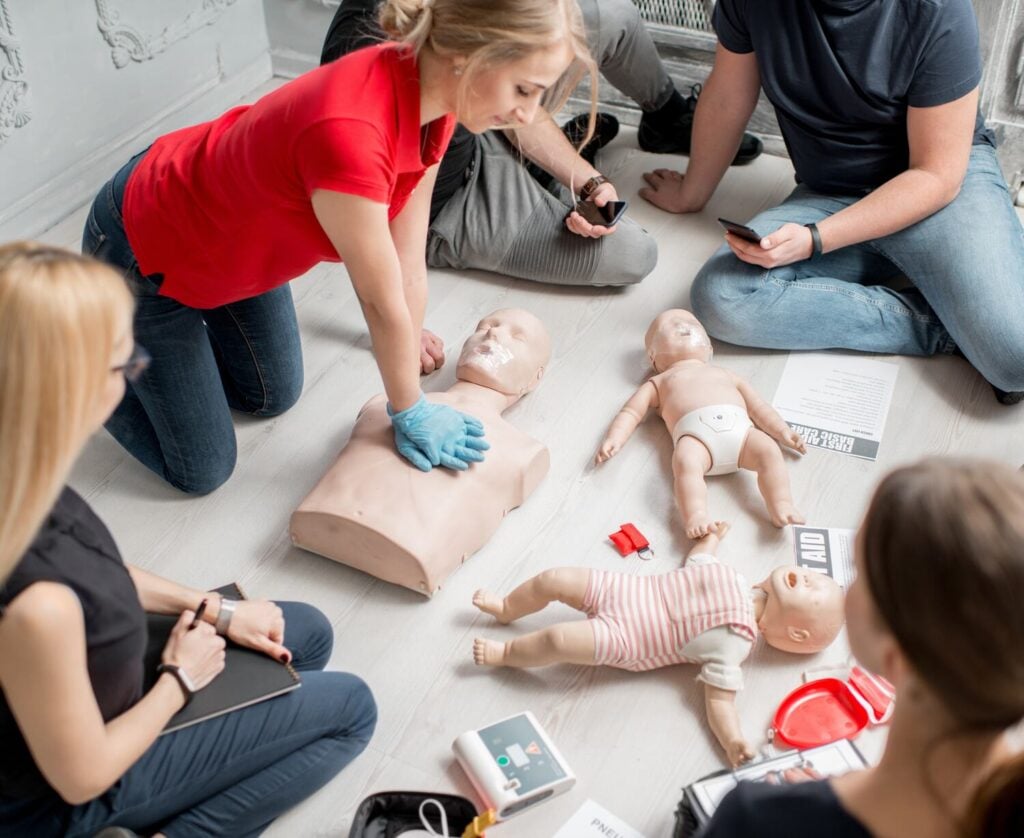
- Advanced first aid goes beyond standard first aid, including skills for managing more complex incidents and multiple casualties.
- Level 1, Level 2, Level 3 and Level 4 are not the official names of Australia’s current nationally recognised first aid units, so always check the actual unit code required before enrolling.
Today, Level 3 First Aid is most commonly associated with HLTAID014 – Provide Advanced First Aid. That is the current nationally recognised unit for advanced first aid training.
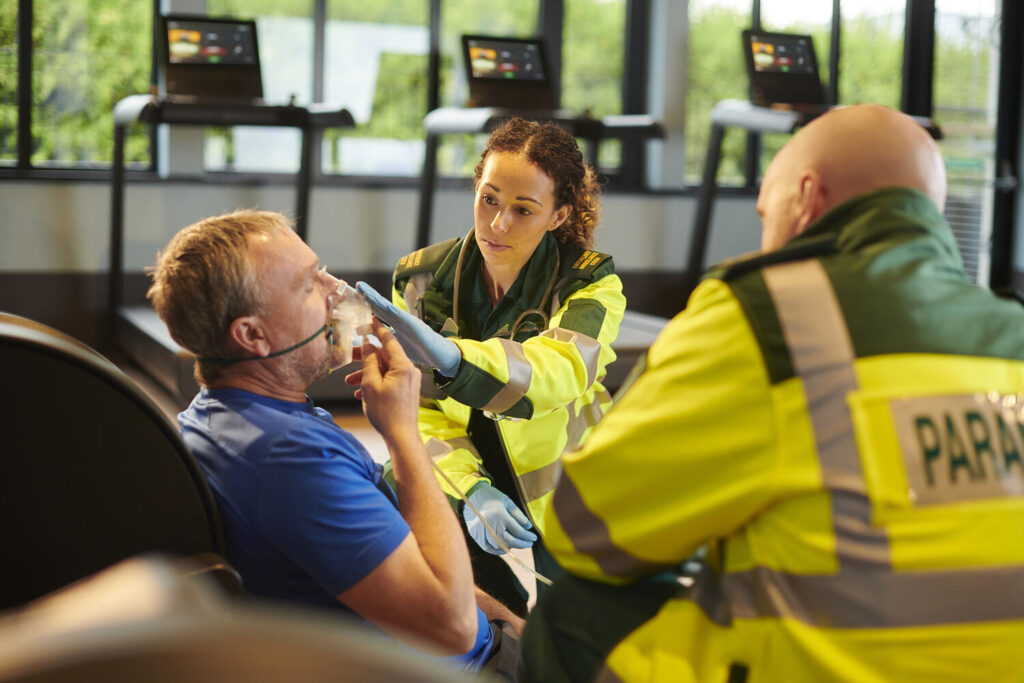
Level 3 First Aid goes beyond general first aid skills and is designed for people who may be required to provide a more advanced first aid response, including managing an incident and coordinating other first aiders until medical or other assistance arrives.
Here’s what you need to know about Level 3 First Aid, what the training covers and how it compares with the other first aid ‘levels’ in Australia.
What Does Level 3 First Aid Mean?
Level 3 First Aid generally refers to a more advanced level of first aid training than the standard first aid course commonly completed by workplace first aiders. The current nationally recognised unit most closely associated with Level 3 First Aid is HLTAID014 – Provide Advanced First Aid.
HLTAID014 provides the skills and knowledge required to deliver an advanced first aid response to a casualty. The unit applies to people who may be required to provide advanced first aid in a range of situations, including workplaces and community settings.
You may still see HLTAID014 advertised or described as ‘Level 3 First Aid’, particularly by training providers or organisations using the traditional first aid level system, however, the official unit name is HLTAID014 – Provide Advanced First Aid.

What Does Level 3 First Aid Cover?
HLTAID014 extends into a more advanced first aid response than standard first aid, while preparing you to deal with more complex emergencies.
HLTAID014 covers recognising and assessing an emergency, ensuring safety, assessing casualties and providing appropriate first aid in accordance with established guidelines and procedures.
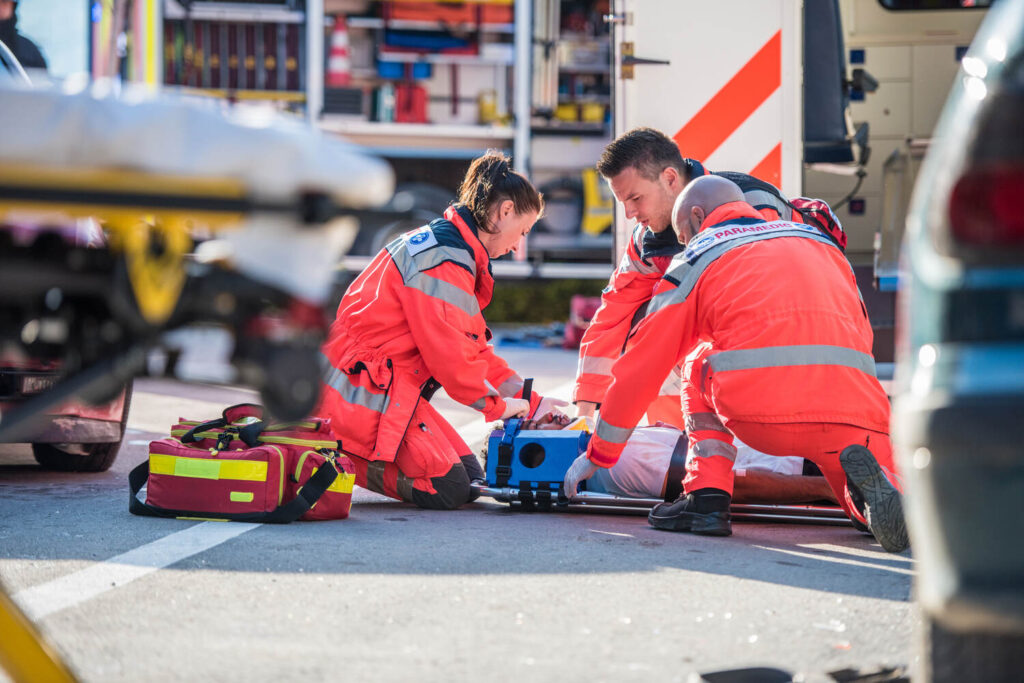
It also extends into areas such as co-ordinating first aid activities and managing an emergency involving multiple casualties. Training and assessment can include areas such as:
- CPR and use of an automated external defibrillator (AED)
- Assessing casualties and recognising medical emergencies
- Managing unconscious casualties
- Bleeding and wound management
- Burns
- Fractures, dislocations, sprains and strains
- Head, neck and spinal injuries
- Asthma and anaphylaxis
- Choking and airway emergencies
- Shock
- Seizures
- Diabetes
- Poisoning
- Bites and stings
- Exposure to heat and cold
- Co-ordinating first aid activities
- Managing multiple casualty incidents
- Communicating with emergency services
- Monitoring casualties until medical assistance arrives
- Reviewing and reporting on first aid incidents
As with other nationally recognised first aid courses, you’ll need to demonstrate practical skills as part of your assessment rather than simply completing theory.
What Is the Difference Between Level 2 and Level 3 First Aid?
The main difference between Level 2 and Level 3 First Aid is the scope and complexity of the first aid response you’re being trained to provide.
Level 2 First Aid is commonly associated with HLTAID011 – Provide First Aid.
This is the general first aid unit commonly completed by workplace first aiders. It covers CPR, basic emergency life support and responding to a broad range of injuries and medical emergencies. Level 3 First Aid is associated with HLTAID014 – Provide Advanced First Aid.
Advanced first aid training extends beyond the skills covered in standard first aid, preparing you to deal with more complex emergencies.
The assessment requirements also include responding to an incident involving multiple casualties, which is an important difference from standard first aid training. Put simply:
- Level 1 First Aid / HLTAID010: Basic first aid for responding to life-threatening emergencies until further medical help arrives.
- Level 2 First Aid / HLTAID011: General first aid for common workplace and community emergencies.
- Level 3 / HLTAID014: Advanced first aid for people who may need to manage more complex incidents and coordinate a broader first aid response.
Who Needs Level 3 First Aid?
Not everyone who needs a first aid certificate needs advanced first aid training. For many Australian workplaces, HLTAID011 – Provide First Aid may be the appropriate qualification for designated first aiders.
However, HLTAID014 may be appropriate or required where someone has greater responsibility for first aid or where the nature of the workplace creates more complex first aid risks. This could include people working in some:
- High-risk workplaces
- Construction and industrial environments
- Remote or isolated locations
- Outdoor and adventure settings
- Sporting or major event environments
- Emergency response roles
- Workplaces where a more advanced first aid response has been identified as necessary
The appropriate training depends on the workplace, its hazards, access to medical assistance and applicable industry or regulatory requirements.
If you need advanced first aid for your job, check that your employer specifically requires HLTAID014 rather than relying on the term ‘Level 3 First Aid’ alone.
Is Level 3 First Aid the Same Across Australia?
HLTAID014 – Provide Advanced First Aid is a nationally recognised unit of competency.
That means HLTAID014 is the same nationally recognised unit whether you complete your training in Queensland, New South Wales, Victoria, Western Australia, South Australia, Tasmania, the ACT or Northern Territory. What can differ is whether you actually need advanced first aid training.
Work health and safety requirements, industry rules and individual employer requirements can vary, so there isn’t a blanket rule that particular workers across Australia must hold ‘Level 3 First Aid’.
You may also find that the traditional Level 3 terminology is used more frequently by some employers, industries or training organisations than others. If you’re unsure, look for the unit code HLTAID014.
Level 1 vs Level 2 vs Level 3 vs Level 4 First Aid
So, where does Level 3 First Aid sit compared with the other levels? Here’s a quick look at Levels 1 through 4, the current training most commonly associated with each, and how their focus differs.
| Traditional terminology | Current training commonly associated with it | General focus |
| Level 1 First Aid | HLTAID010 – Provide Basic Emergency Life Support | Basic response to life-threatening emergencies |
| Level 2 First Aid | HLTAID011 – Provide First Aid | General workplace and community first aid |
| Level 3 First Aid | HLTAID014 – Provide Advanced First Aid | Advanced first aid and more complex emergencies |
| Level 4 First Aid | HLTSS00068 – Occupational First Aid Skill Set | Advanced workplace first aid and management of first aid services |
These are useful comparisons rather than official current ‘levels’. If your employer asks you to complete Level 1, Level 2, Level 3 or Level 4 First Aid, confirm the current nationally recognised unit or skill set they require before enrolling.
Is Level 3 the Same as Occupational First Aid?
Not quite. HLTAID014 – Provide Advanced First Aid focuses on providing an advanced first aid response. Occupational First Aid goes further into the management of first aid services and resources within a workplace. The current HLTSS00068 – Occupational First Aid Skill Set includes:
- HLTAID011 – Provide First Aid
- HLTAID014 – Provide Advanced First Aid
- HLTAID015 – Provide Advanced Resuscitation and Oxygen Therapy
- HLTAID016 – Manage First Aid Services and Resources
So while HLTAID014 forms part of the Occupational First Aid Skill Set, the two are not interchangeable.
This is particularly important if you’re completing training for a workplace role. If your employer specifically requires the Occupational First Aid Skill Set, completing HLTAID014 alone may not meet that requirement.
Does Level 3 First Aid Include CPR?
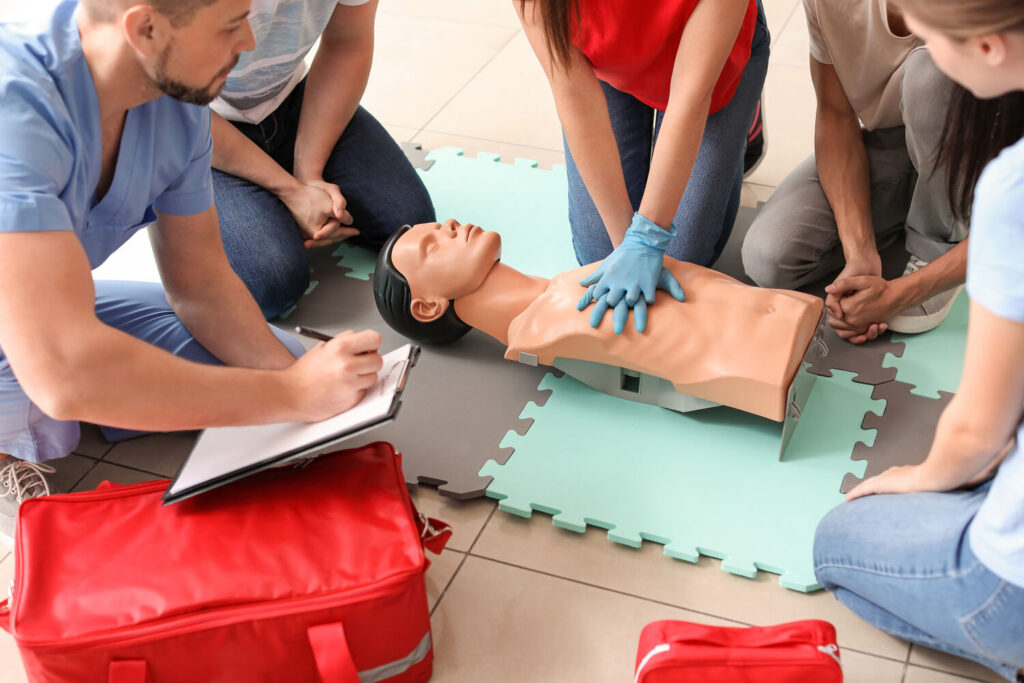
CPR skills form part of advanced first aid training. The HLTAID014 assessment requirements include demonstrating CPR in line with Australian Resuscitation Council guidelines, including performing CPR on an adult manikin placed on the floor.
However, if you need to maintain a current CPR qualification for work, check the specific requirements that apply to your role. The standalone nationally recognised CPR unit is HLTAID009 – Provide Cardiopulmonary Resuscitation.
How Long Does Level 3 First Aid Last?
A nationally recognised Statement of Attainment does not expire on a particular date. However, first aiders need to maintain their skills and may be subject to workplace, industry or regulatory currency requirements.
Australian workplace guidance generally recommends that CPR training be refreshed annually and first aid qualifications be renewed every three years. If you hold advanced first aid for work, always check your employer or industry’s requirements to make sure your training remains current.
Is Level 3 First Aid Still Recognised?
You may still see the term ‘Level 3 First Aid’ used by employers, organisations and training providers. However, it isn’t the official name of the current nationally recognised unit. If someone tells you that you need Level 3 First Aid, they will commonly be referring to HLTAID014 – Provide Advanced First Aid.
Before booking a course, confirm the unit code with the organisation requesting your training. This makes sure you’re completing the qualification you actually need.
Get Certified With National First Aid Courses
Need to complete or refresh your first aid training? National First Aid Courses offers a range of nationally recognised first aid and CPR courses, with practical, face-to-face training and assessment.
Course options, duration and pricing vary depending on the training you need and your location. After successful completion and the required enrolment checks, you’ll receive the relevant nationally recognised Statement of Attainment.