

In Short
- The average first aid course cost in Australia is typically between $80 and $150, with CPR courses on the lower end and full qualifications like HLTAID011 sitting higher depending on provider and location.
- Pricing varies mainly due to location, delivery format, and provider quality, with metropolitan areas usually offering more competitive rates and regional or remote areas often costing more.
- Most standard first aid courses take around 4 to 8 hours to complete in person, with blended learning options allowing theory to be completed online beforehand.
- The course fee generally includes training materials, practical assessment, equipment use, and a nationally recognised Statement of Attainment from an RTO.
If you’re looking to complete a first aid course for work, study, or personal safety, one of the first questions you’ll probably ask is: how much does a first aid course cost in Australia? You will pay somewhere between $80 and $150 for a standard nationally recognised course, depending on the course type, training provider, location, and delivery method.
However, there’s quite a bit more to understand before booking. Prices can vary significantly between states, providers, and industries, and the cheapest option is not always the best value.
This guide breaks down average first aid course cost in Australia, including what affects pricing, the different course types available, and what you should look for before enrolling.
Average First Aid Course Costs in Australia
Across Australia, the most common workplace qualification is HLTAID011 Provide First Aid. This course generally costs between $90 and $140 depending on the provider and delivery format.
Shorter CPR-only courses, which fall under HLTAID009 Provide CPR, are usually cheaper and often range from around $45 to $80. More specialised training, such as childcare first aid, advanced first aid, or remote area first aid, can cost considerably more because of the longer course duration and additional assessment requirements.
The rise of blended online learning has also changed pricing across the industry. Many providers now allow students to complete the theory portion online before attending a shorter practical assessment session. These courses are often slightly cheaper.
Although price matters, it is important to remember that first aid training is a nationally recognised qualification. Extremely cheap providers are not always the best option if they compromise on trainer quality, practical learning time, or customer support.
How Long Does a First Aid Course Take?
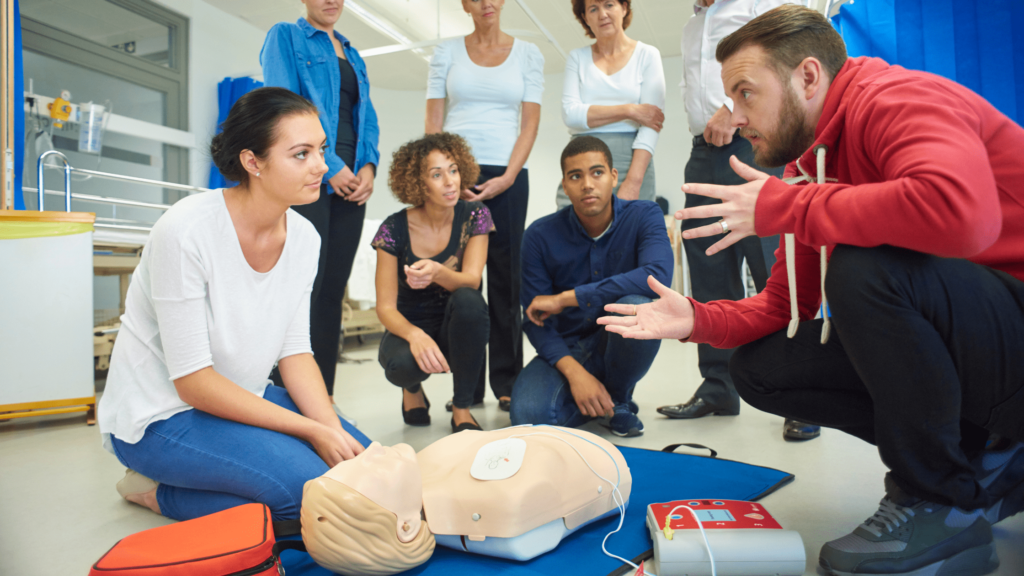
The time it takes to complete a first aid course in Australia depends on the qualification you choose and whether the training is delivered face-to-face or through a blended learning model.
Most standard first aid courses such as HLTAID011 Provide First Aid are designed to be completed within one day of practical training, typically ranging from 4 to 8 hours in a classroom setting.
However, many providers now use blended learning, where you complete the theory component online before attending a shorter in-person assessment session.
CPR-only courses (HLTAID009 Provide CPR) are usually much shorter and can often be completed in 1.5 to 3 hours, making them ideal for quick refreshers or workplace compliance requirements.
More advanced or specialised courses, such as childcare first aid or remote area first aid, may take one to two full days due to additional content, scenario-based training, and assessment requirements.
What Affects First Aid Course Cost?
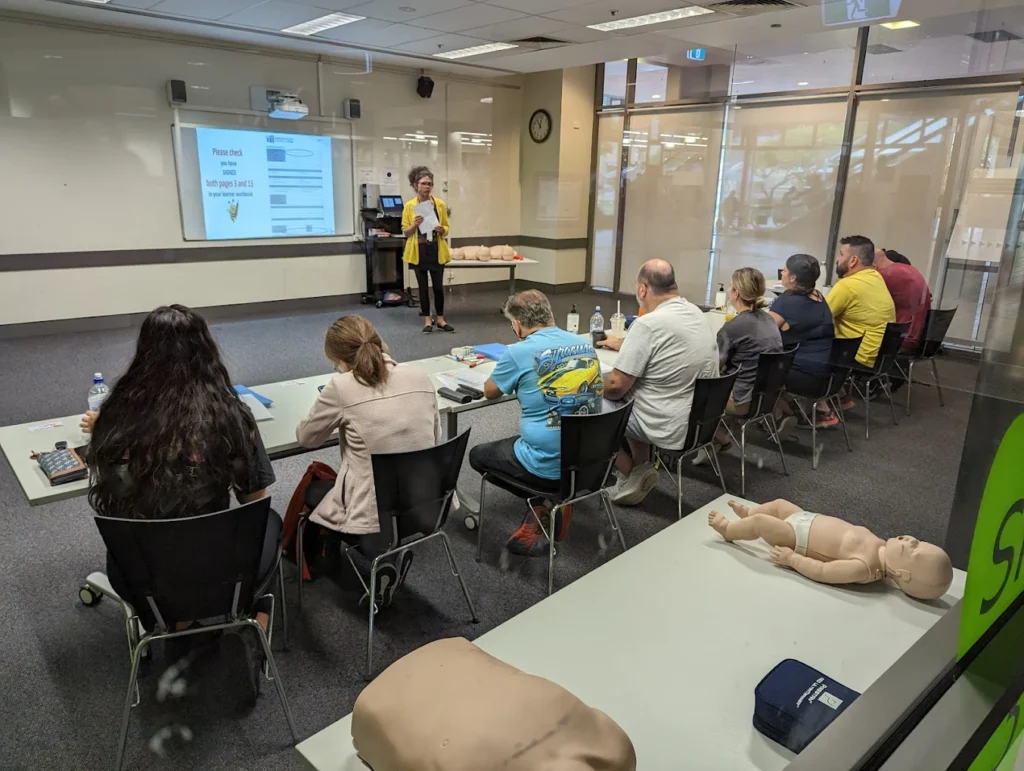
One of the biggest factors affecting price is the type of qualification itself. A CPR refresher may only take one or two hours to complete, while a full first aid course covers a much broader range of emergency response skills and usually requires significantly more practical training.
Location also plays a major role. Major metropolitan areas such as Brisbane, Sydney, Melbourne, and Perth generally have more competition between providers, which helps keep prices relatively affordable. Regional and remote areas often experience higher costs because providers travel longer distances and run smaller classes.
The delivery format can also influence pricing. Traditional face-to-face training is still widely available, but blended learning models are now extremely common throughout Australia. These courses allow students to complete theoretical content online before attending an in-person assessment session. This reduces classroom time and often lowers the overall course cost.
Another important factor is the training provider itself. Some organisations focus heavily on budget pricing, while others invest more heavily in facilities, experienced trainers, smaller class sizes, and practical scenario-based learning.
The difference in student experience between providers can sometimes be substantial even though the qualification outcome is technically the same.
What’s Included in the Price of a First Aid Course?
When comparing first aid course cost in Australia, it’s important to understand what is actually included in the advertised price, as this can vary slightly between providers.
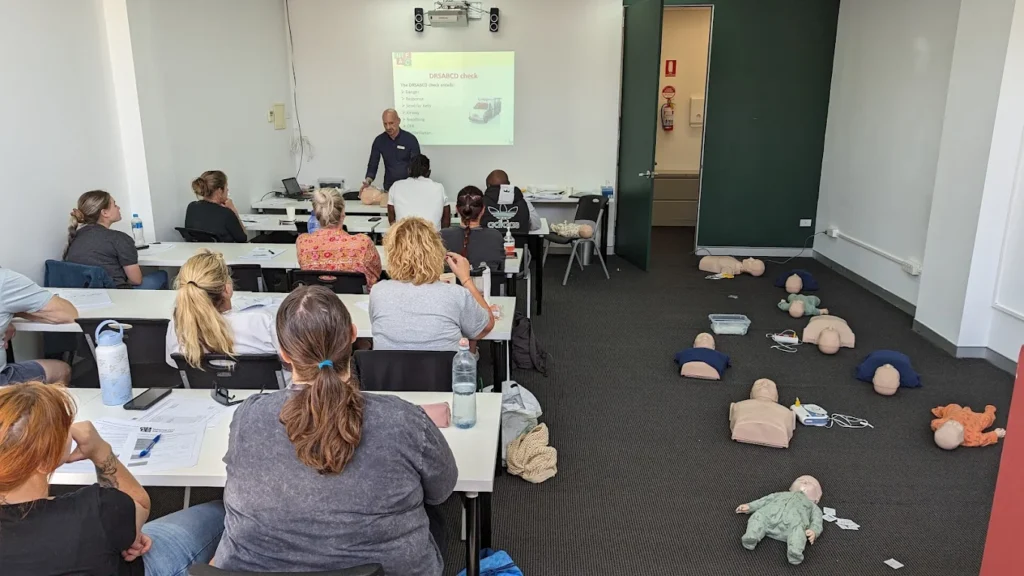
In most cases, the course fee includes all core training materials, practical instruction, and assessment required to achieve a nationally recognised qualification. This typically covers access to training equipment such as manikins, defibrillator training units, bandages, and simulated emergency scenarios.
Your fee also generally includes access to online learning platforms (if blended learning is used), trainer guidance throughout the course, and official assessment marking by a qualified instructor.
Once you successfully complete the course, the cost also includes the issuing of a nationally recognised Statement of Attainment from a Registered Training Organisation (RTO), which is the formal certification required for workplace and compliance purposes.
Some providers may also include digital manuals, refresher resources, or same-day certificate issuance, while others may charge additional fees for printed certificates or replacement documentation.
First Aid Course Cost by State
While first aid course pricing is relatively similar across Australia, there are still some regional differences depending on local competition, training demand, population size, and how many registered training organisations operate in the area.
Metropolitan cities often have more competitive pricing because there are many providers competing for students, while regional and remote areas can sometimes cost more due to limited availability and travel requirements.
Queensland
Queensland tends to have very competitive first aid course pricing, particularly in larger population centres such as Brisbane, the Gold Coast, and the Sunshine Coast where multiple providers operate daily training sessions.
The strong competition between training companies often helps keep costs affordable for both individuals and workplaces.
Typical prices include:
- CPR: $45–$65
- HLTAID011: $95–$120
- HLTAID012: $95–$130
New South Wales
New South Wales generally sits close to the national average for first aid training costs, although pricing can vary significantly between metropolitan Sydney and regional areas.
Sydney has a large number of providers offering frequent courses, which helps maintain competitive rates, while smaller regional towns may have fewer course dates and higher operating costs.
Typical costs include:
- CPR: $50–$80
- HLTAID011: $90–$140
- Childcare First Aid: $110–$150
Prices may increase in regional NSW due to fewer available providers.
Victoria
Victoria, particularly Melbourne, has one of Australia’s most competitive first aid training markets. With many registered training organisations offering courses throughout the week, students can often access discounted rates, online theory options, and same-day certification services.
Typical pricing includes:
- CPR: $50–$75
- HLTAID011: $90–$130
- Advanced First Aid: $180–$300
Western Australia
Western Australia generally has pricing comparable to the eastern states in metropolitan Perth, although costs can rise substantially in regional and remote areas where training providers must travel longer distances or deliver specialised workplace courses.
Industries such as mining, construction, and offshore operations can also influence pricing due to additional compliance requirements.
Examples of publicly advertised pricing include HLTAID011 courses around $90–$120. Remote and mining-related training may cost substantially more.
South Australia
South Australia generally has moderate first aid course pricing, particularly in Adelaide where there are enough training providers to keep costs reasonably competitive. However, regional and rural parts of the state can experience higher prices due to fewer available courses and reduced competition between providers.
Typical pricing may include:
- CPR: $50–$75
- HLTAID011: $95–$135
- Childcare First Aid: $110–$150
Regional areas may see slightly higher pricing because training organisations often need to travel longer distances to deliver courses.
Tasmania
Tasmania can sometimes have slightly higher first aid course costs compared to mainland metropolitan areas because the training market is smaller and course availability may be more limited.
In cities such as Hobart and Launceston, pricing is usually close to the national average, but regional locations may have fewer scheduled sessions throughout the year. Typical pricing may include:
- CPR: $55–$80
- HLTAID011: $100–$140
- Advanced First Aid: $180–$320
Limited provider competition in some areas can contribute to higher prices.
Northern Territory
The Northern Territory has some of the highest first aid training costs in Australia, particularly in remote communities where delivering accredited training involves significant travel and logistical expenses. Darwin generally offers more competitive pricing, but regional and remote locations can be substantially more expensive.
Typical pricing may include:
- CPR: $60–$90
- HLTAID011: $110–$160
- Remote or Advanced First Aid: $250–$500+
Remote area training may include additional components designed for isolated workplaces, mining operations, tourism, or community healthcare settings.
Is the Cheapest First Aid Course Worth It?
Many Australians naturally search for the cheapest first aid course available, especially when training is required for work compliance rather than personal interest.
While there are certainly good low-cost providers operating throughout Australia, price alone should never be the only deciding factor. First aid is a practical skill that may one day help save a life, so the quality of the training experience matters.
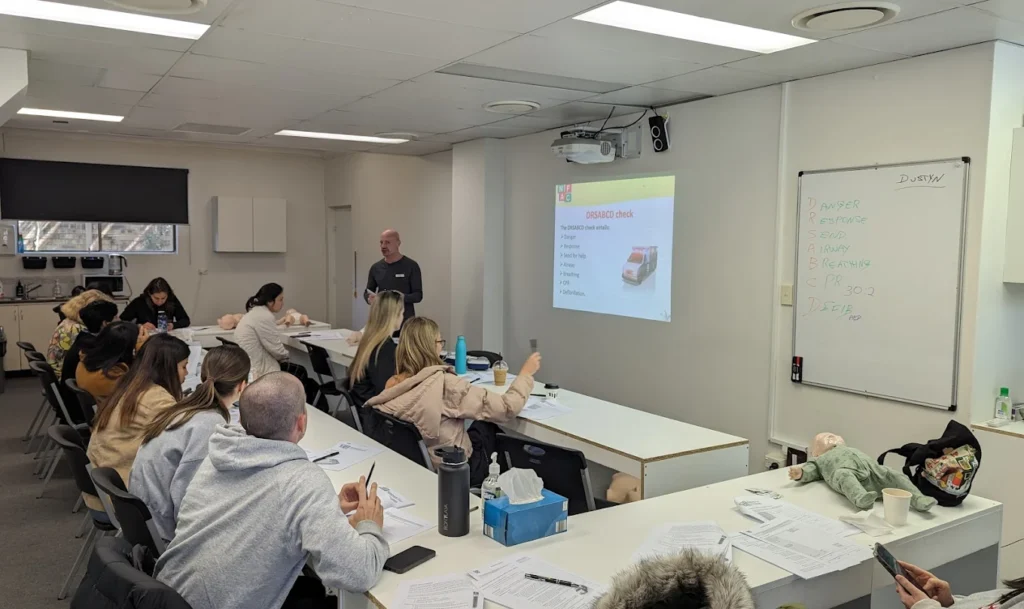
A provider offering extremely low prices may rely on very large class sizes, rushed practical assessments, or minimal trainer interaction. In contrast, a slightly more expensive provider may offer more hands-on learning, experienced trainers, and better student support.
Before booking, it is always worth checking whether the provider delivers nationally recognised training through a Registered Training Organisation (RTO), how quickly certificates are issued, and whether previous students report positive learning experiences.
Do Employers Pay for First Aid Training?
In many Australian industries, employers cover the cost of first aid training for staff members.
This is particularly common in sectors such as construction, childcare, healthcare, aged care, education, hospitality, mining, and security. Some businesses organise onsite group training sessions, which can reduce the cost per person considerably.
If first aid certification is mandatory for your role, there is a good chance your employer may either arrange the training directly or reimburse the course fee after completion.
Frequently Asked Questions
What is the average first aid course cost in Australia?
The average first aid course cost in Australia is typically between $80 and $150 for a nationally recognised qualification. CPR-only courses are usually cheaper, while more comprehensive training such as HLTAID011 Provide First Aid or childcare first aid sits at the higher end of the range.
How much does HLTAID011 cost in Australia?
HLTAID011 Provide First Aid generally costs between $90 and $140 depending on the training provider, location, and whether the course is delivered face-to-face or through blended learning. Metropolitan areas may be slightly cheaper due to higher competition between providers.
Why does the cost of a first aid course vary between providers?
First aid course cost varies because of differences in location, class sizes, delivery format, and training quality. Courses in major cities are often cheaper due to competition, while regional and remote areas may cost more due to travel and lower provider availability. The level of trainer experience and included resources can also affect pricing.
Is a cheap first aid course still valid in Australia?
Yes, a cheaper first aid course is still valid as long as it is delivered by a Registered Training Organisation (RTO) and meets national accreditation standards. However, extremely low-cost courses may differ in training quality, so it’s important to ensure you’re still receiving adequate hands-on practical instruction.
How long is a first aid certificate valid for?
In Australia, most first aid certificates such as HLTAID011 Provide First Aid are valid for three years. CPR certification (HLTAID009 Provide CPR) is typically recommended to be refreshed every 12 months to keep skills current.
Is online first aid training accepted in Australia?
Online learning is accepted for the theory component of first aid training, but you cannot complete a fully accredited first aid course entirely online. A practical, in-person assessment is always required to meet Australian national training standards.
Get Government-Approved First Aid Training at a Location Near You!
Ready to Complete your First Aid Training For Parents?
If you’ve never done a first aid course before, completing your initial training is the best way to build the skills you need to respond confidently in an emergency.
National First Aid Courses provides nationally recognised training in:
- HLTAID009 – Provide Cardiopulmonary Resuscitation (CPR)
- HLTAID010 – Provide Basic Emergency Life Support
- HLTAID011 – Provide First Aid
Our courses are designed to be practical, accessible, and aligned with the latest Australian safety guidelines, helping individuals and workplaces stay prepared for emergencies.
Whether you need certification for work or simply want to learn life-saving skills, completing a first aid course ensures you are ready to respond when it matters most.