

In Short
- First aid certification is required across many Australian industries, including construction, healthcare, childcare, education, fitness, hospitality, transport, and office roles.
- In high-risk or regulated jobs (like childcare, construction, mining, and lifeguarding), first aid training is often a legal or pre-employment requirement.
- Under WHS laws, all workplaces must ensure adequate first aid coverage, meaning trained staff are required even in lower-risk environments.
- Having a first aid certificate improves employability and helps candidates meet job requirements faster and stand out to employers.
- Common qualifications include HLTAID011 (First Aid), HLTAID009 (CPR), and HLTAID012 (Childcare First Aid), with regular refreshers required to stay current.
First aid certification comes up more than most people expect when job hunting in Australia. Healthcare and emergency services are the obvious ones, but construction, childcare, education, fitness, hospitality, and transport regularly require it too. In a lot of cases, employers expect you to have it before you even apply.
The reason is simple. Under Australian work health and safety laws, employers must ensure staff can respond in an emergency. Safe Work Australia requires every workplace to assess its risks and provide appropriate first aid coverage, which in practice means having certified people on site.
For job seekers, that makes first aid less of a bonus and more of a box that needs to be ticked. Here’s a look at the most common jobs that require it and what the training involves.
Which Jobs Legally Require First Aid Certification in Australia?
Not all jobs that require first aid certification are governed by the same rules. In Australia, the requirement for first aid training generally falls into two categories: legally mandated roles and employer-required roles based on workplace risk.
Understanding the difference helps you know what to expect before applying.
If you’re entering a high-risk or regulated industry, you’ll usually need first aid certification before you start. In other roles, you may be able to gain employment first, but having certification already can give you a clear competitive advantage.
Jobs Where First Aid Certification Is Legally Required
In some industries, holding a current first aid certificate is a formal requirement under legislation, licensing, or national standards. You cannot work in these roles without it. These include:
- Early childhood educators and childcare workers (National Quality Framework requirements)
- Construction workers on many sites (WHS regulations and site safety plans)
- Mining and FIFO workers (strict safety compliance standards)
- Lifeguards and aquatic centre staff
- Certain healthcare and support roles
In these professions, first aid certification is not optional. It’s a condition of employment and must be kept up to date through regular refresher training.
Jobs Where First Aid Certification Is Required by Employers
In other roles, first aid certification may not be written into law for every individual employee, but workplaces are still legally required to ensure adequate first aid coverage under Work Health and Safety (WHS) laws.
This means employers often require staff to be trained as part of their internal safety policies.
These roles commonly include:
- Hospitality workers and event staff
- Security guards and crowd controllers
- Teachers and school staff
- Warehouse workers and drivers
- Office-based employees in designated first aider roles
In these cases, having first aid certification can significantly improve your chances of being hired, as employers prefer candidates who can contribute to workplace safety from day one.
15 Jobs That Require First Aid Certification
First aid certification is a requirement across almost every major industry in Australia, not just the obvious ones. In some roles it’s a legal requirement, in others it’s a workplace policy, but either way employers increasingly want you to have it before you start. Here are the most common jobs that require it and why.
1. Construction Workers and Labourers
Construction remains one of the most hazardous industries in Australia. Workers are exposed to risks such as falls from height, machinery accidents, electrical hazards, and structural collapse.
Because of this, construction sites are legally required to have trained first aid personnel present at all times. Many employers now expect all workers (including labourers and apprentices) to hold a current first aid certificate before they even step on site.
First aid training in this environment is critical for managing injuries like fractures, bleeding, burns, and crush injuries until emergency services arrive.
On a typical construction site, first aiders may need to respond to incidents such as falls from scaffolding, deep lacerations from tools, or workers experiencing heat stress. Because sites can be large and complex, having workers with first aid certification ensures injuries are stabilised quickly while waiting for emergency services.

2. Electricians, Plumbers, and Trade Professionals
Tradespeople often work in unpredictable and high-risk environments, including confined spaces, rooftops, and active construction zones.
Electricians, in particular, face serious risks such as electrocution, which can lead to cardiac arrest, making CPR training essential, while plumbers and gas fitters may deal with hazardous substances or environments where injuries can escalate quickly.
For many commercial and civil projects, holding a current first aid certificate is not just recommended. It’s a site entry requirement.
In these roles, emergencies often happen in confined or elevated spaces where immediate access is difficult. First aid training allows tradespeople to respond quickly to electrical shock, burns, or collapse, particularly on job sites where they may be working alone or in small teams.
3. Nurses and Healthcare Workers
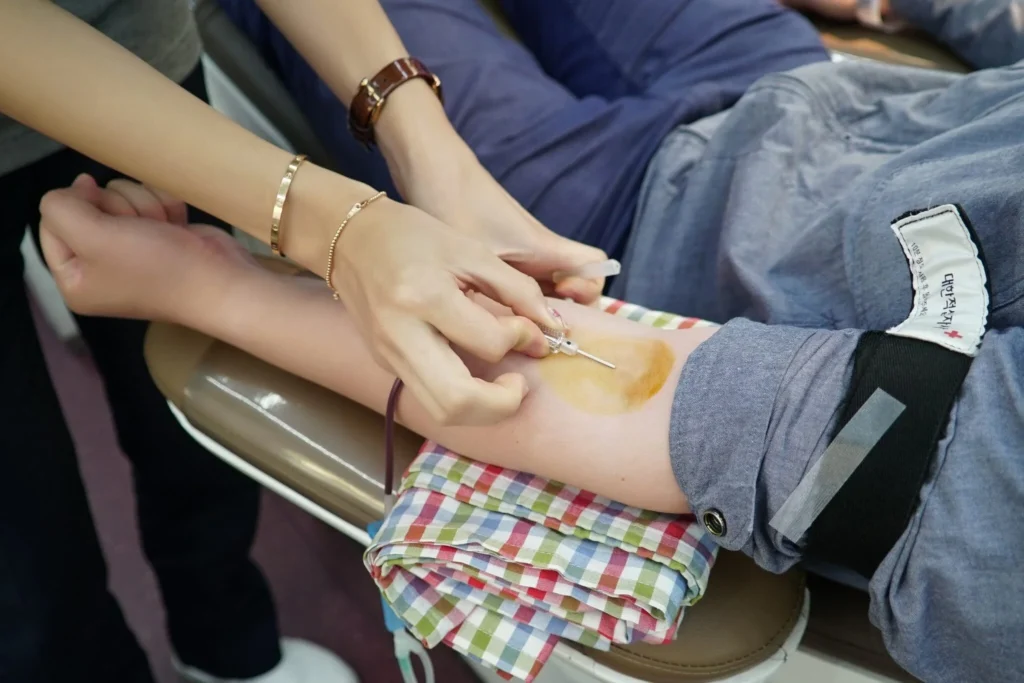
In healthcare settings, first aid is a foundational skill. While nurses and clinical staff are trained beyond basic first aid, maintaining certification in units like Provide First Aid (HLTAID011) and CPR is still expected.
Healthcare workers regularly respond to emergencies such as:
- Cardiac arrest
- Seizures
- Choking incidents
- Falls and trauma
In fast-paced clinical environments, first aid skills are used continuously, not just in major emergencies. From responding to a patient collapse in a waiting room to assisting during a sudden deterioration, healthcare workers rely on these skills as part of daily patient care.
Even non-clinical roles, such as medical receptionists or support staff, are often required to hold first aid certification as they may be the first point of contact in an emergency.

4. Aged Care and Disability Support Workers
Working in aged care or disability support means caring for individuals who may have complex health needs, mobility challenges, or chronic conditions.
Support workers are often the first to notice subtle changes in a client’s condition. First aid training helps them respond to incidents such as sudden breathing difficulties or falls, especially in home-care settings where they may be the only person present.
In many cases, employers require annual CPR refreshers to ensure staff remain confident and capable in emergency situations.

5. Early Childhood Educators and Childcare Workers
When working with children, first aid training becomes even more specialised.
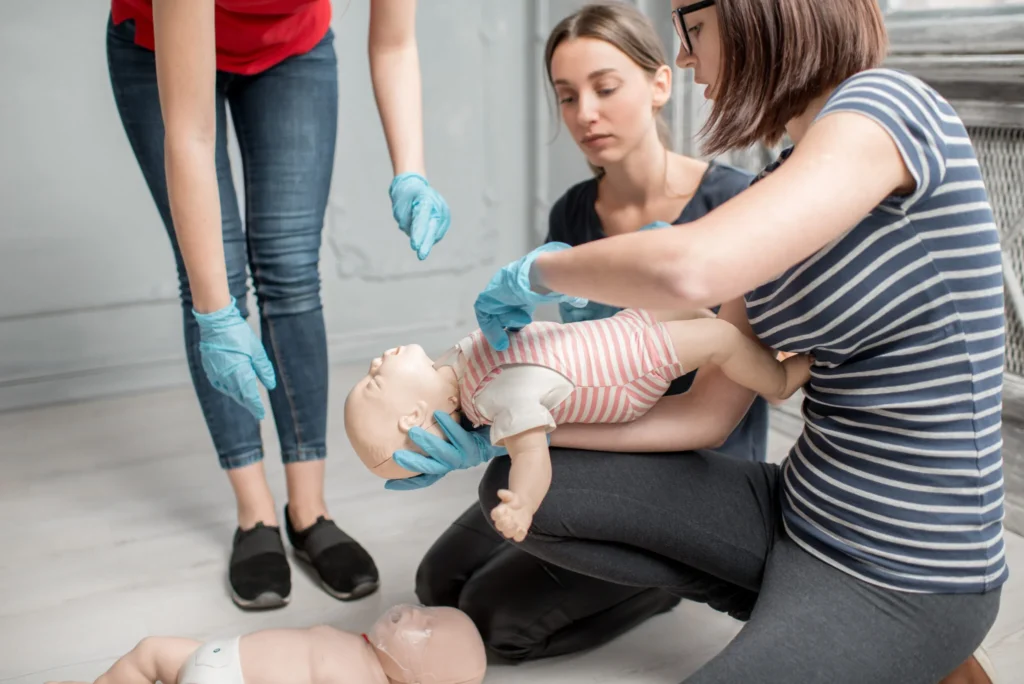
Under the National Quality Framework, childcare workers must complete HLTAID012 – Provide First Aid in an Education and Care Setting, which includes:
- Asthma management
- Anaphylaxis response
- Choking in infants and young children
In childcare settings, incidents can escalate quickly, from minor injuries to serious allergic reactions. First aid training equips educators to manage emergencies in real time, particularly when caring for multiple children at once.
6. School Teachers and Education Staff
Schools are required to have trained first aiders on-site at all times, but in practice, many employers expect all staff to hold current certification.
Teachers are often responsible for large groups of students in dynamic environments like playgrounds and sports fields. First aid certification ensures they can respond immediately to injuries or medical conditions before additional help arrives.
Teachers, aides, and administrative staff may need to respond to:
- Playground injuries
- Sports-related incidents
- Allergic reactions
- Asthma attacks
First aid training is especially important during excursions, camps, and sporting events where immediate medical support may not be readily available.

7. Personal Trainers and Fitness Instructors
Fitness professionals work in environments where physical exertion is high, increasing the risk of injury or medical events.
During high-intensity training sessions, clients may push beyond their limits, increasing the risk of medical events. Trainers with first aid certification can quickly identify warning signs and respond to situations like collapse, overheating, or cardiac distress.
Personal trainers and group fitness instructors are typically required to hold a:
- Provide First Aid certificate
- CPR certificate (refreshed annually)
They must be prepared to respond to situations such as cardiac arrest, fainting, dehydration, or musculoskeletal injuries during exercise sessions.

8. Lifeguards and Aquatic Centre Staff
Few roles rely on first aid skills as heavily as lifeguards. In aquatic environments, response time is critical.
First aiders must often act within seconds, providing CPR or managing spinal injuries immediately after a rescue, making certification essential for preventing serious outcomes.
Staff must be trained to respond to:
- Drowning and near-drowning incidents
- Spinal injuries
- Slips and falls
- Cardiac emergencies
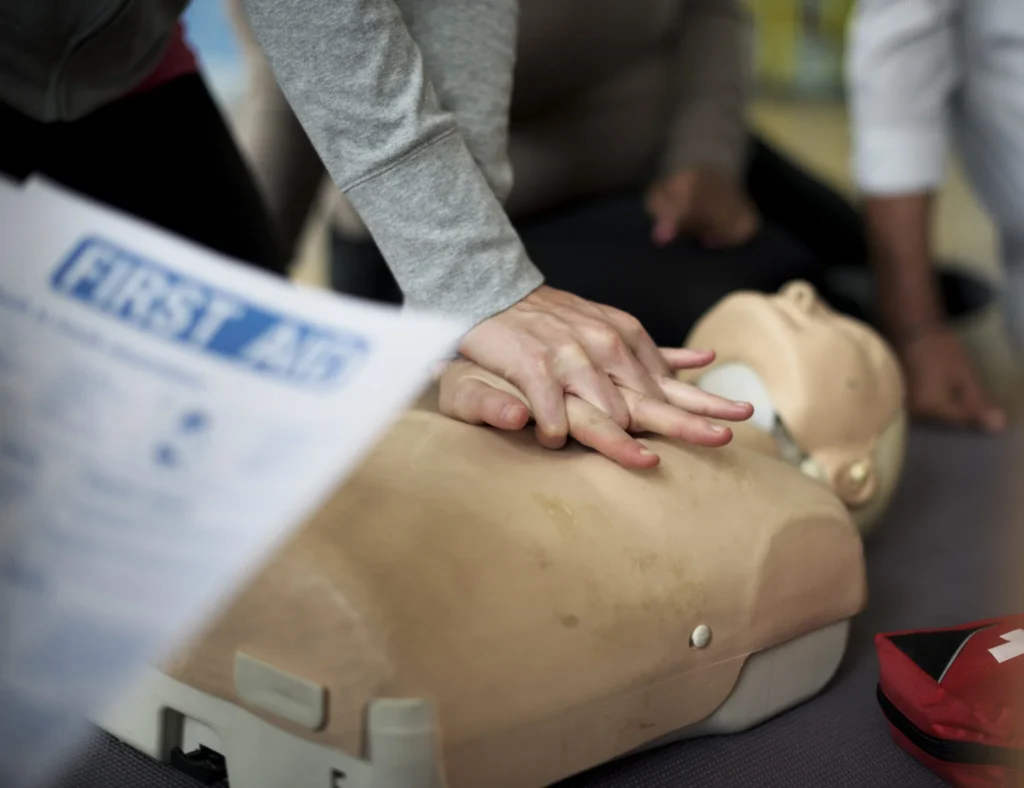
First aid and CPR certification are non-negotiable requirements for employment in these roles.
9. Hospitality Workers (Chefs, Bar Staff, Event Teams)
Hospitality environments are fast-paced and often unpredictable. Staff regularly deal with:
- Burns and cuts in kitchens
- Slips and falls
- Food allergies and anaphylaxis
- Alcohol-related incidents
While not always legally required for every role, many employers prefer or require their staff, and particularly supervisors and event teams, to hold first aid certification to manage incidents quickly and safely.

10. Security Guards and Crowd Controllers
Security personnel frequently operate in high-pressure environments where incidents can escalate quickly. First aid certification allows them to manage injuries and medical emergencies on the spot, particularly in crowded or high-risk situations.
They may need to manage:
- Injuries from altercations
- Unconscious individuals
- Drug or alcohol-related emergencies
- Crowd-related incidents
First aid training enables security staff to stabilise situations before emergency services arrive, making certification highly valued (and often required).

11. Truck Drivers and Delivery Drivers
Drivers often work independently and may be the first on the scene of a road incident. First aid training prepares them to assist others involved in accidents, as well as manage their own health and safety during long-haul trips.
First aid certification is increasingly required because drivers may encounter:
- Road accidents
- Fatigue-related incidents
- Medical emergencies while alone
In logistics companies, certification is often built into safety policies and onboarding requirements.

12. Warehouse Workers and Forklift Operators
Warehouses are high-risk environments involving heavy machinery, manual handling, and moving vehicles.
In fast-moving warehouse environments, accidents can happen quickly and involve heavy equipment. First aiders play a key role in responding to incidents immediately, reducing the severity of injuries before further assistance arrives.
Common risks include:
- Crush injuries
- Falls
- Strains and sprains
- Equipment-related accidents
Because of these hazards, employers often require a proportion of staff, and especially supervisors and operators, to hold current first aid certification.

13. Mining and FIFO Workers
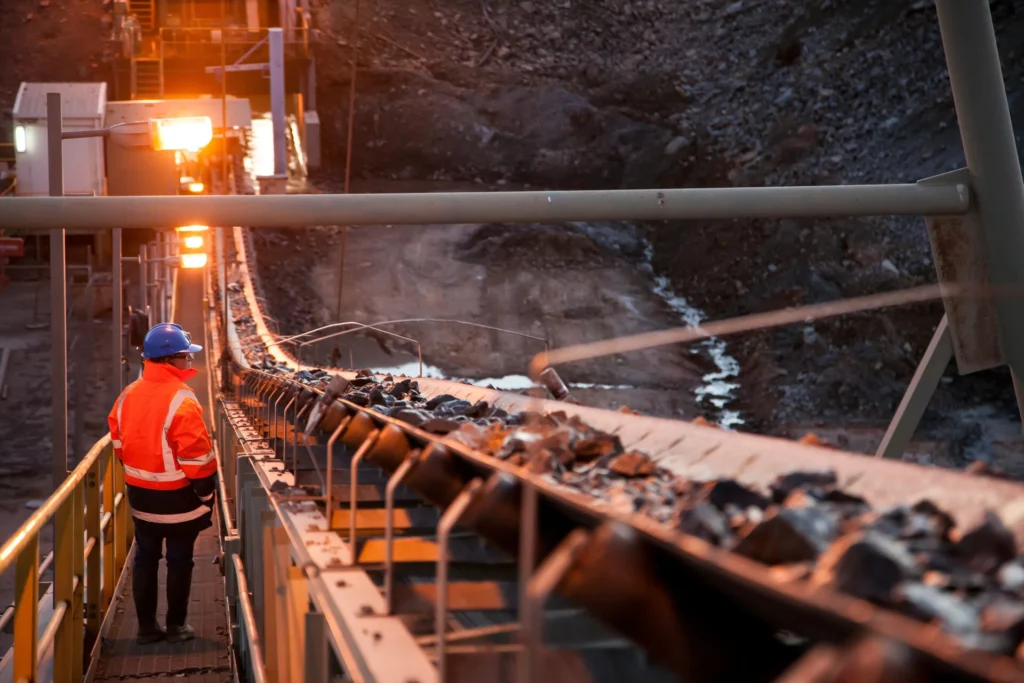
Mining is one of the most regulated and high-risk industries in Australia.
Remote work conditions mean emergency response times can be significantly delayed. Workers with first aid certification are critical for providing immediate care in serious situations, often acting as the first line of response on-site.
They must be able to respond to serious incidents such as:
- Crush injuries
- Falls from height
- Explosions or burns
- Equipment accidents
For many mining roles, first aid certification is mandatory for site access, and CPR must be refreshed regularly.
14. Emergency Services and Public Sector Roles
Police officers, firefighters, and SES volunteers rely on first aid skills as part of their daily responsibilities.
These roles require the ability to assess and respond to unpredictable situations in real time. First aid skills are applied in the field across a wide range of incidents, often before additional medical support becomes available.
These roles involve responding to:
- Trauma incidents
- Natural disasters
- Medical emergencies in the community
First aid certification is integrated into training and ongoing professional requirements.

15. Office First Aid Officers and Workplace Wardens
Even in low-risk environments, medical emergencies can occur without warning. Having trained first aid officers ensures a fast, co-ordinated response to incidents such as cardiac events or sudden illness in the workplace.
Workplaces are required to nominate trained first aid officers who can respond to:
- Cardiac arrest
- Fainting or medical episodes
- Allergic reactions
- Minor injuries
While not every employee needs certification, designated staff must maintain current first aid training to meet compliance requirements.
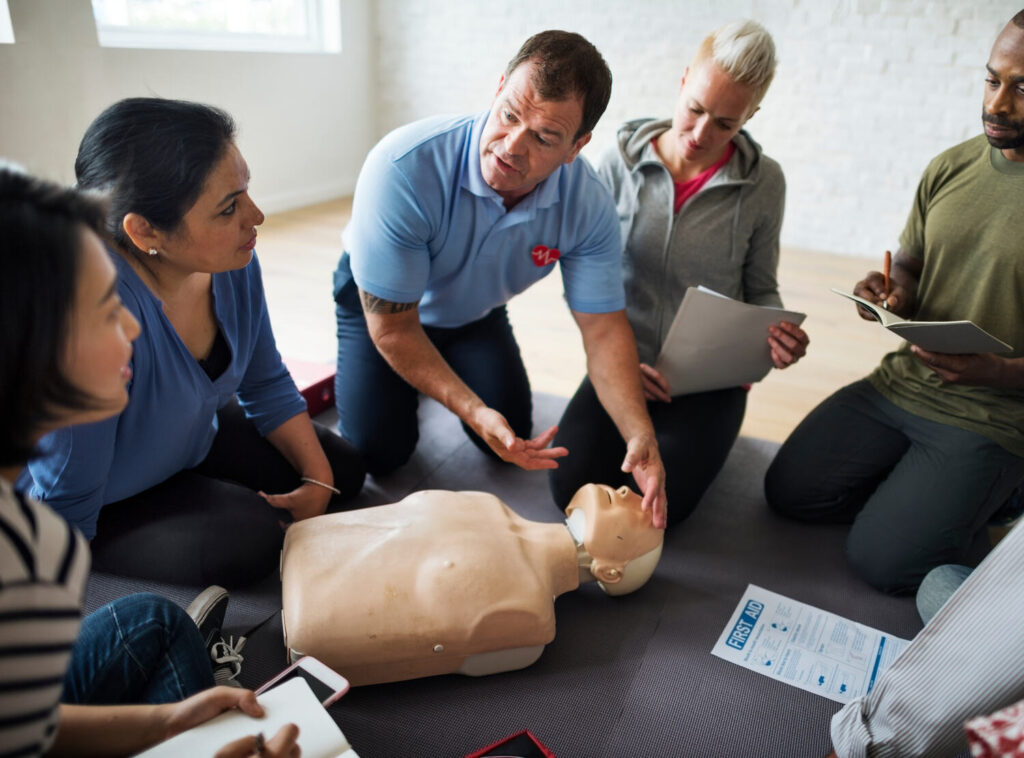
What First Aid Training Do These Jobs Require?
Most jobs that require first aid certification in Australia involve one or more of the following nationally recognised units:
- HLTAID011 – Provide First Aid
- HLTAID009 – Provide CPR (recommended annually)
- HLTAID012 – Childcare First Aid (for education and care roles)
The exact requirements depend on the industry, workplace risks, and employer policies.
Frequently Asked Questions
Do all jobs in Australia require first aid certification?
No, not all jobs require first aid certification. However, under Australian Work Health and Safety (WHS) laws, every workplace must ensure there is adequate first aid coverage.
This means that while not every employee needs to be trained, many businesses still prioritise hiring candidates for roles that require first aid training or are willing to obtain certification quickly.
What jobs legally require first aid certification in Australia?
Some jobs legally require first aid certification due to industry regulations or licensing requirements. These typically include childcare workers, construction workers on active sites, mining and FIFO roles, lifeguards, and certain healthcare positions.
In these jobs where first aid is mandatory, certification must be current before starting work.
Can you get a job without first aid certification?
Yes, you can still get a job without first aid certification in some industries. However, for many jobs that need first aid certification, employers prefer candidates who are already qualified.
Having certification can improve your chances of getting hired, especially in competitive or safety-focused roles.
What is the most common first aid course required for jobs?
The most widely required course for jobs that require first aid certification is HLTAID011 – Provide First Aid. Many careers requiring CPR certification also require HLTAID009 – Provide Cardiopulmonary Resuscitation, which is typically refreshed every 12 months.
How long does a first aid certificate last in Australia?
In Australia, most first aid certificates are valid for three years. However, CPR certification is generally recommended to be renewed annually. Keeping your training up to date is essential for jobs that require first aid training, particularly in high-risk industries.
Which industries have the most jobs that require first aid certification?
Industries with the highest number of jobs that require first aid certification include construction, healthcare, childcare, education, fitness, mining, and hospitality. These industries often involve higher risks or direct interaction with people, making first aid training a key requirement for workplace safety.
Is first aid certification required for office jobs?
First aid certification is not required for every office role, but workplaces must have trained first aid officers available. This means some office-based positions are designated as roles that require first aid training, particularly for workplace wardens or safety representatives.
Get Government-Approved First Aid Training at a Location Near You!
Join thousands of Australians who trust National First Aid Courses, a leading provider of nationally recognised, accredited training that’s designed for real-world community settings. As a Registered Training Organisation (RTO 41072), we specialise in practical, hands-on first aid courses that prepare you to respond in emergencies, whether you’re helping at events, visiting aged care homes, or supporting vulnerable people.
With convenient face-to-face training across NSW, VIC and QLD, same-day certificates, and competitive pricing, getting certified has never been easier.
Enrol in a First Aid or CPR course with National First Aid Courses today, and be the calm, capable presence your community can count on.