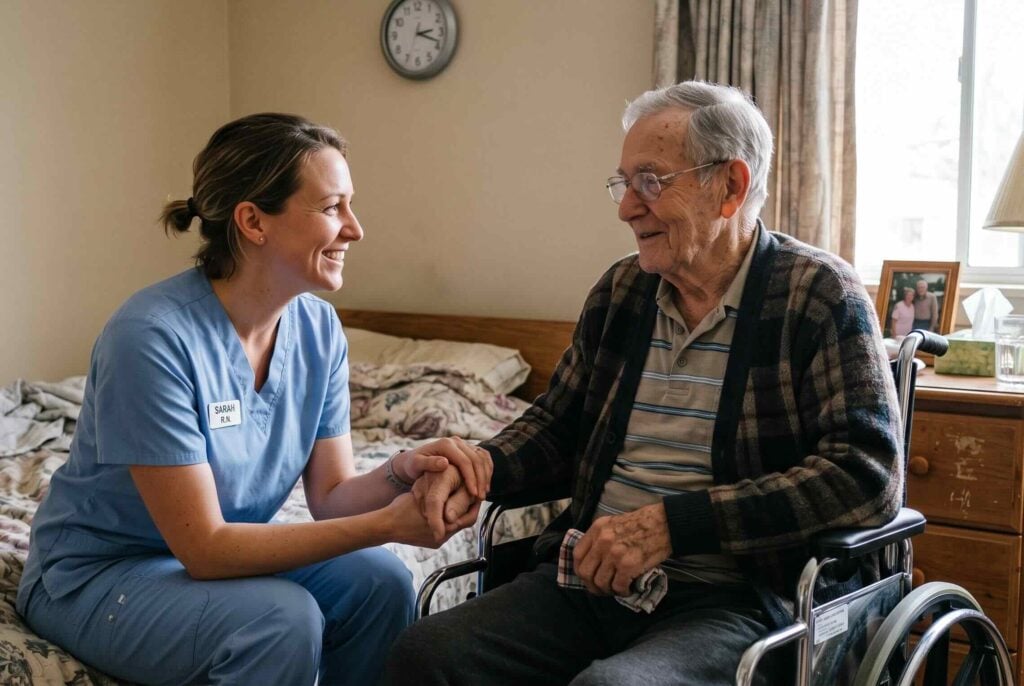
First Aid Training and Certification for Aged Care Workers
Working in aged care means being prepared to respond when something goes wrong. Falls, choking, burns, wounds, breathing difficulties and sudden medical emergencies can happen with little warning.


In Short
- First aid is an important part of working in aged care. Workers may need to respond to falls, choking, bleeding, burns, breathing difficulties and other medical emergencies.
- HLTAID011 Provide First Aid is the nationally recognised first aid unit commonly used for workplace first aid training. It includes CPR training.
- CPR training needs regular renewal. The CPR component of first aid training should be refreshed every 12 months to maintain current skills.
- Requirements vary between aged care roles and workplaces. Not every worker is subject to exactly the same training requirements, so check your employer’s requirements before booking a course.
- Practical training matters. Aged care workers need to be able to assess an emergency, provide appropriate first aid, escalate the situation and communicate effectively with other members of the care team.
A suitable first aid course for aged care can give workers the practical skills and knowledge they need to recognise an emergency, provide appropriate first aid and seek further medical assistance. Depending on the role and workplace, aged care employers may also require workers to hold current First Aid and CPR training. Here’s what you need to know about First Aid training for aged workers.
Why is First Aid important in aged care?
Older people can be more vulnerable to the consequences of injuries and medical emergencies. A fall that might result in a relatively minor injury for a younger person can have much more serious consequences for an older person, particularly where there are existing health conditions, reduced mobility or frailty.
Aged care workers may also be among the first people to recognise that something has changed. A resident may become suddenly unresponsive, have difficulty breathing, choke during a meal or sustain an injury during a transfer.
This is why First Aid training is not simply about having a certificate. It is about developing the confidence and practical skills to recognise an emergency, take appropriate action and seek further help.
Safe Work Australia’s guidance also recognises the particular First Aid considerations of healthcare and social assistance workplaces, including residential aged care and workers providing care in people’s homes. The level of First Aid equipment, facilities and training should be based on the risks and circumstances of the workplace.
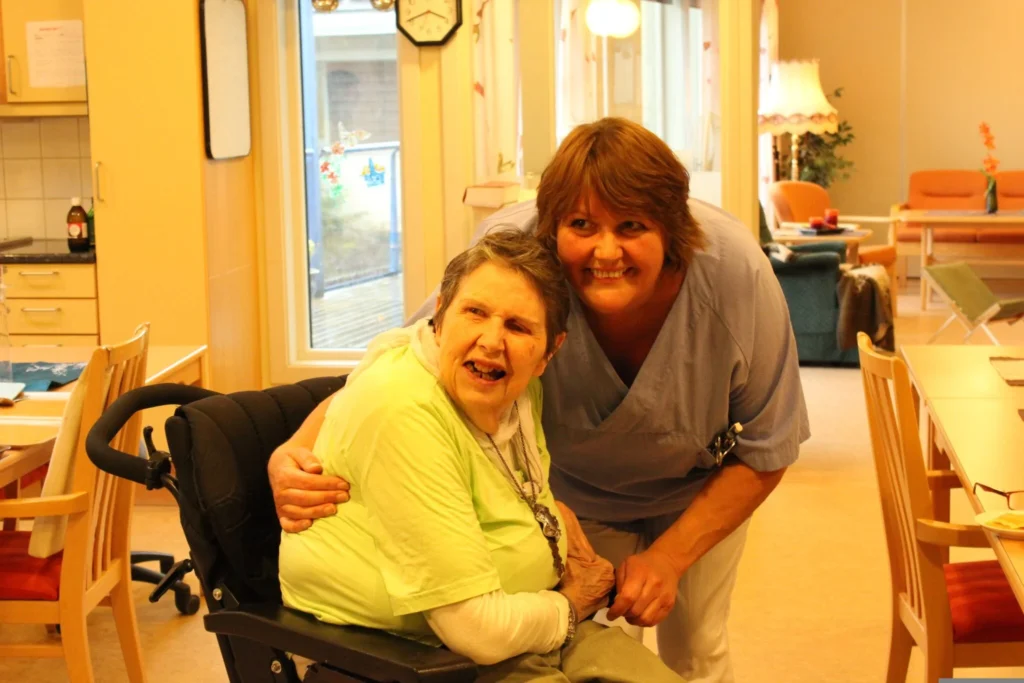
What First Aid course is best for aged care workers?
HLTAID011 Provide First Aid is the appropriate nationally recognised First Aid course. The unit covers the skills and knowledge needed to respond to a range of life-threatening and non-life-threatening situations. It includes CPR and covers areas such as:
- assessing an emergency situation
- responding to an unconscious person
- performing CPR
- using an automated external defibrillator (AED)
- managing choking
- controlling bleeding
- treating wounds and soft-tissue injuries
- responding to burns
- managing fractures and other injuries
- responding to medical emergencies
- monitoring a person’s condition while waiting for further assistance.
Some employers may also require staff to complete HLTAID009 Provide Cardiopulmonary Resuscitation as a standalone course, particularly when CPR renewal is due (on a yearly basis). If your employer has specified a particular unit or refresher requirement, check this before booking.
What emergencies might aged care workers need to respond to?
First aid training becomes particularly valuable when you understand how the skills apply to situations that can occur in residential and community aged care.
Falls and suspected fractures
Falls are a significant concern in aged care. An older person who falls may sustain a fracture, head injury or other serious injury, even where the fall initially appears minor.
First aid training helps workers understand how to assess the situation, identify signs that require urgent medical attention, provide appropriate assistance and avoid actions that could make an injury worse.
Where a head, neck or spinal injury is suspected, workers need to know how to respond appropriately and escalate the situation.
Choking
Choking is an important First Aid consideration in aged care, particularly during mealtimes. The Aged Care Quality and Safety Commission has specifically issued guidance on managing choking risk in residential aged care, including the need for 24/7 First Aid capabilities and staff training in responding to choking incidents.
A First Aid course teaches workers how to recognise choking and respond according to the person’s condition. Knowing what to do quickly can be critical when a person’s airway is obstructed.
Cardiac arrest and breathing emergencies
Cardiac arrest is a life-threatening emergency where immediate action is required. CPR training teaches workers how to recognise cardiac arrest, commence CPR and use an AED while waiting for emergency medical services.
These practical skills are particularly important in aged care because workers may be among the first people at the scene when a resident or client suddenly becomes unresponsive.
Wounds and bleeding
Older skin can be more fragile and susceptible to injury. A seemingly small injury may require careful management, particularly where there are underlying health considerations.
First aid training covers appropriate responses to wounds and bleeding, including how to control bleeding, protect the injury and recognise when further medical assessment is required.
Burns
Burns can occur in residential facilities, community settings and people’s homes. Hot food and drinks, hot water, cooking equipment and other heat sources can all present risks.
First aid training teaches workers how to provide appropriate initial treatment and recognise when a burn requires medical attention.
Sudden illness
Aged care workers may also encounter sudden changes in a client’s condition, including difficulty breathing, altered responsiveness, seizures or symptoms associated with other medical emergencies.
First aid training helps workers recognise when a situation may be serious, provide appropriate initial assistance and activate emergency help.
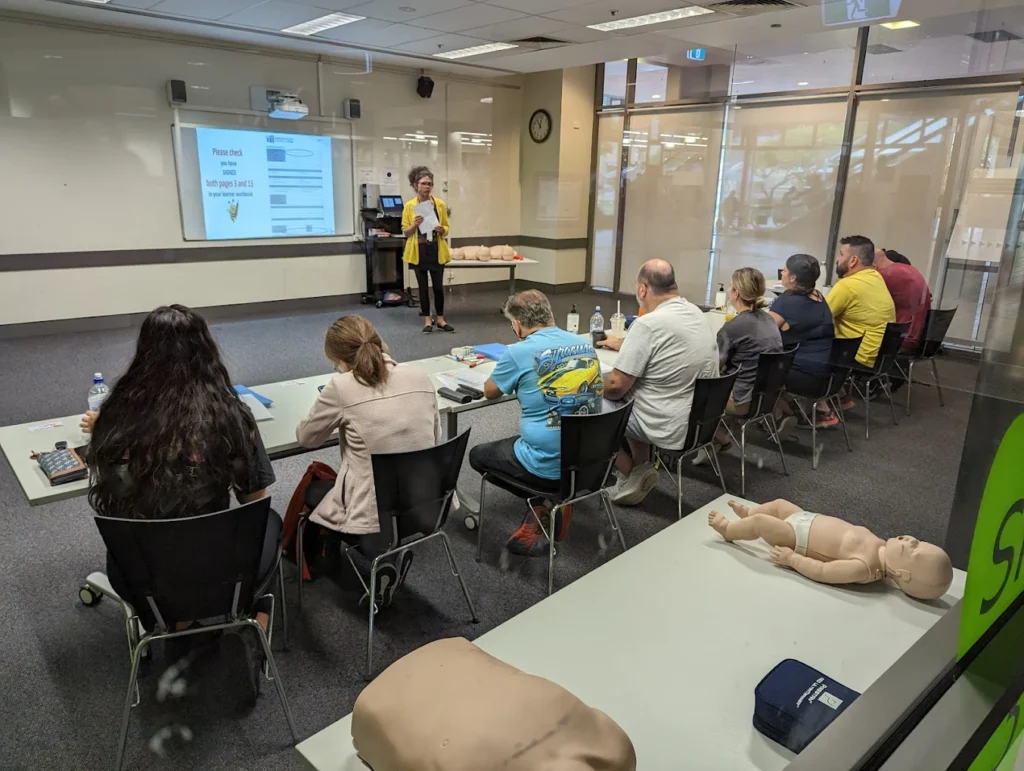
First aid in residential aged care vs home care
First aid challenges can look different depending on where you work.
For example, residential aged care workers may be supporting multiple residents in a shared environment, with other care staff and clinical support nearby, while home care workers may be working alone in a client’s home, where access to First Aid equipment, colleagues and immediate assistance can be more limited.
The risks can also vary depending on the person’s health, mobility, care needs and environment. Understanding these differences is an important part of being prepared to respond safely and effectively when an emergency occurs.
Residential aged care
Workers in residential facilities may care for multiple residents and work as part of a larger team. Emergency procedures may involve notifying a registered nurse or other clinical staff, activating the facility’s emergency response procedures and calling Triple Zero (000) when required.
Facilities also need appropriate First Aid equipment, procedures and trained personnel based on their workplace risks.
Home and community care
Home care workers may work alone in a client’s home, where access to First Aid equipment, other staff and immediate clinical support can be different.
Safe Work Australia’s guidance notes that workers delivering care or support in people’s homes may not have First Aid facilities readily available, making risk assessment and appropriate First Aid arrangements particularly important.
For home-care workers, employers should consider the environment, the nature of the work, the risks involved and how assistance will be accessed during an emergency.
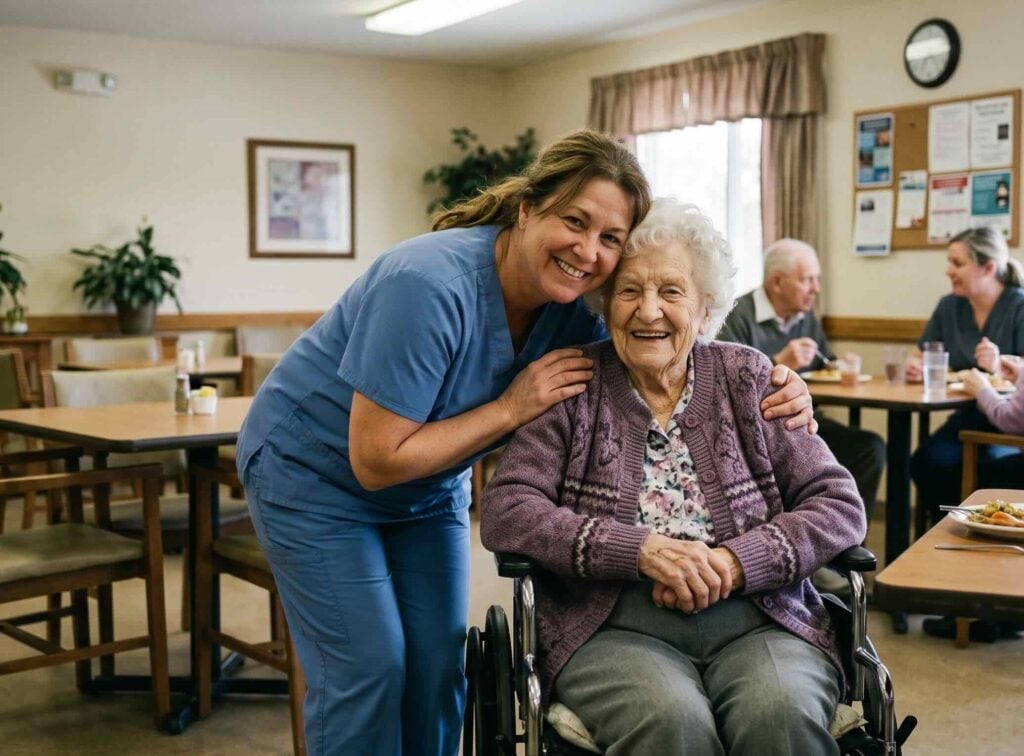
What does a First Aid course for aged care cover?
A good First Aid course should give you more than theoretical knowledge. You should develop practical skills that you can apply under pressure.
Depending on the course and your role, this may include:
- Recognising an emergency – Understanding when a person’s condition requires immediate action and when emergency medical services should be contacted.
- Assessing the situation – Learning how to approach an emergency safely and assess the person’s condition.
- CPR and AED use – Developing the practical skills to perform CPR and use an AED when required.
- Managing choking – Recognising the signs of choking and providing appropriate First Aid.
- Managing injuries – Providing First Aid for bleeding, wounds, burns, fractures and other injuries.
- Monitoring and escalating – Understanding how to monitor a person’s condition, communicate relevant information and escalate the situation according to workplace procedures.
These skills are particularly important in aged care because First Aid is often delivered as part of a broader team response.
Is First Aid training mandatory for aged care workers?
There is not one blanket rule that every aged care worker in Australia must hold the same First Aid certificate.
Workplaces must provide access to appropriate First Aid arrangements, including suitable equipment, facilities and trained First Aiders. The level of First Aid provision should be determined by factors such as the workplace, hazards, number of people and location.
Aged care providers also operate within Australia’s aged care regulatory framework. The strengthened Aged Care Quality Standards took effect on 1 November 2025, and the Aged Care Quality and Safety Commission provides specific guidance around emergency planning and First Aid capabilities in aged care settings.
In practice, this means your employer may require you to hold a particular First Aid or CPR qualification as part of your role.
If you are applying for an aged care position, check the job advertisement or speak with the employer about the specific certification they require.
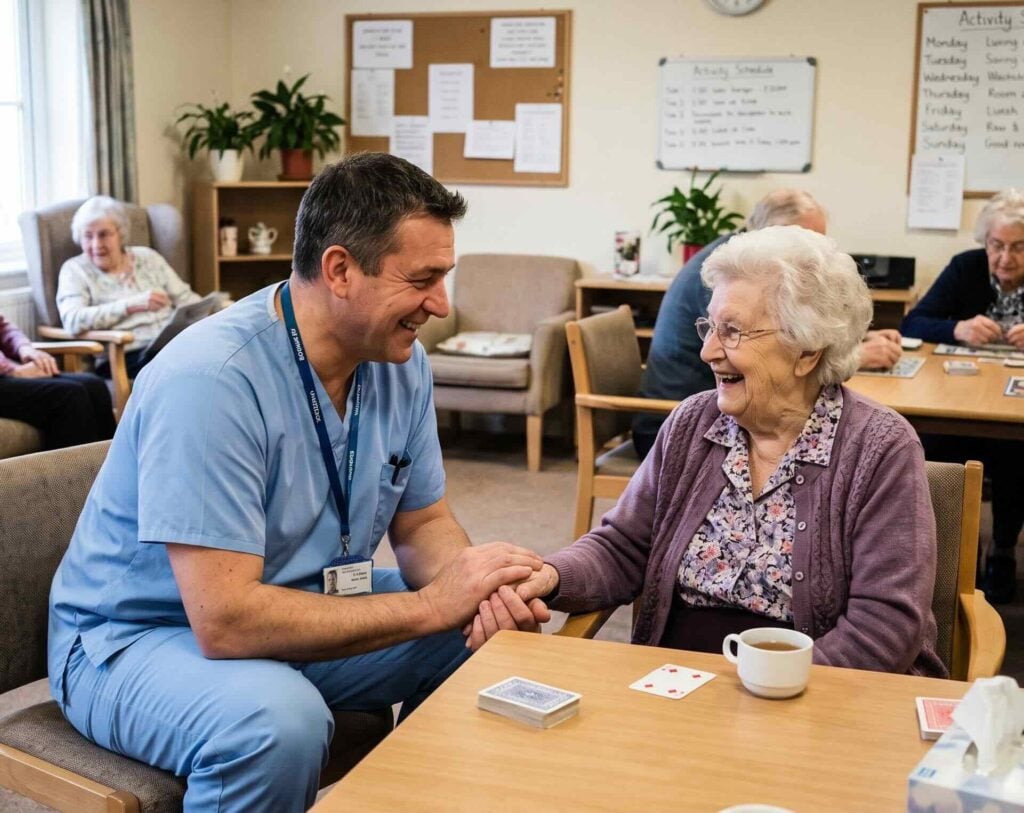
How often does First Aid training need to be renewed?
First aid and CPR training have different refresher expectations. The CPR component should be refreshed every 12 months to maintain current CPR skills.
The First Aid qualification is generally refreshed every three years, although employers may require more frequent training or additional refresher training depending on their policies, workplace risks and the worker’s role.
Regular refresher training is important because First Aid is a practical skill. Knowing what to do in theory is very different from being able to perform CPR, manage a choking emergency or respond to a serious injury under pressure.
Can you complete a First Aid course online for aged care?
Some First Aid courses use a blended delivery model, where theory is completed online before a practical training and assessment session.
However, practical First Aid and CPR skills need to be demonstrated as part of the assessment. For aged care workers, this practical component is particularly important because you need to be able to physically perform the skills you may be required to use in an emergency.
Before enrolling in an online or blended course, check that it is the qualification your employer requires and that the course includes the necessary practical assessment.
Choosing a First Aid course for aged care
When choosing an aged care First Aid course, it’s worth considering whether the training is appropriate for your role, workplace and the people in your care. If you are looking for a First Aid course for aged care, consider:
- The qualification: Check whether your employer requires HLTAID011, HLTAID009 or another specific unit.
- National recognition: Make sure the training is delivered by an appropriately registered training organisation where a nationally recognised qualification is required.
- Practical training: Look for a course that includes hands-on First Aid and CPR practice and assessment.
- Location and delivery: Choose a course format that fits your work and roster requirements.
- Refresher requirements: Check when your CPR and First Aid training need to be renewed.
- Employer requirements: Always confirm the exact qualification required for your role before booking.
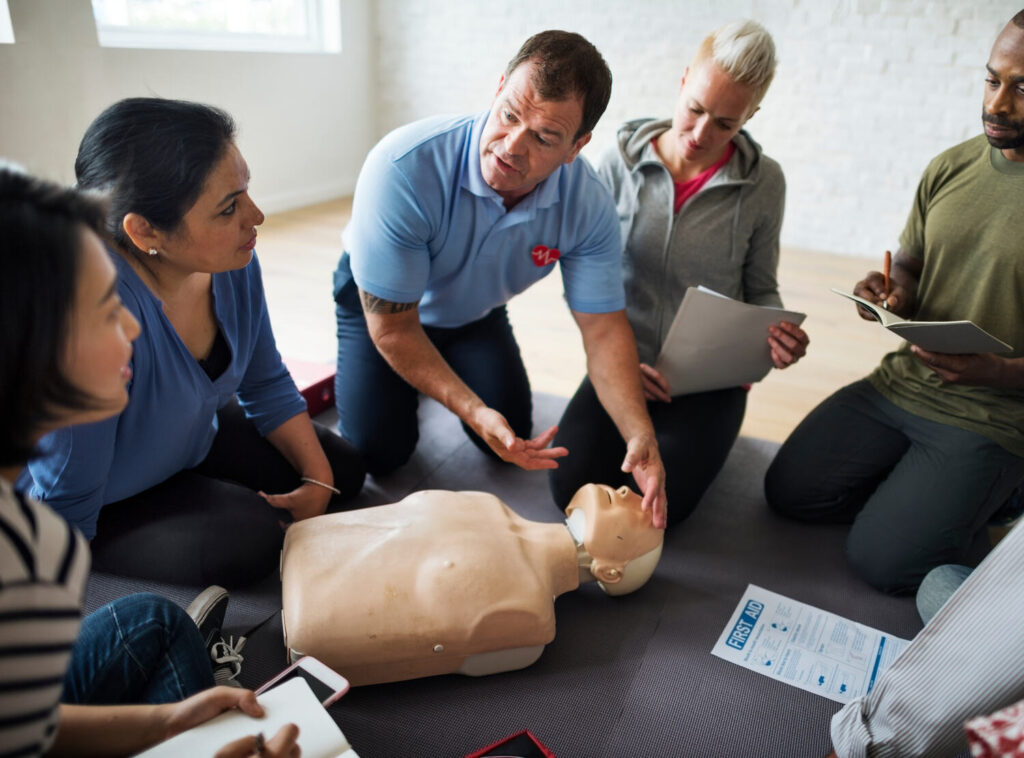
First aid courses for aged care workers
If you’re looking for a First Aid course for aged care, National First Aid Courses provides nationally recognised First Aid and CPR training designed to meet the needs of workplace learners.
Our HLTAID011 Provide First Aid course covers essential First Aid skills, including CPR, and provides practical training designed to prepare you to respond to a range of emergencies.
We also offer HLTAID009 Provide Cardiopulmonary Resuscitation for workers who need to complete or renew their CPR training.
As a Registered Training Organisation (RTO 41072), National First Aid Courses delivers nationally recognised training with face-to-face practical instruction and convenient training locations across New South Wales and Queensland.
If you are starting an aged care role, changing employers or simply need to renew your current qualification, check your employer’s requirements and book the course that matches your role.