What Is the Code of Practice (COP) for First Aid?
In any workplace, first aid isn’t just about having a kit on the wall. It’s about having a clear, structured approach if something goes wrong. That’s exactly where the Code of Practice (COP) for first aid comes in.


In Short
-
The Code of Practice (COP) for first aid provides a practical framework for meeting workplace first aid requirements in Australia. It helps businesses understand legal obligations.
-
First aid requirements must be based on workplace risk. Higher-risk environments require more equipment, trained staff, and structured procedures.
-
A compliant first aid setup includes trained first aiders, accessible equipment, clear procedures, and ongoing review.
-
Common workplace hazards should directly inform your first aid planning. Identifying these risks is the foundation of effective implementation.
-
Following the Code of Practice is the simplest way to demonstrate compliance with WHS laws.
Rather than leaving businesses to guess what “adequate first aid” looks like, the COP provides a practical benchmark. It outlines what should be in place, how to assess your risks, and what steps to take to ensure people receive timely and effective first aid care if an incident occurs.
Whether you’re managing a busy construction site or a small office, the Code of Practice acts as a roadmap for making first aid work in real conditions, not just on paper.
If you’ve been wondering what a Code of Practice (COP) for first aid is, and what’s involved in creating one, this article covers everything you need to know – from the basics through to practical implementation in your workplace.
What Is a Code of Practice?
A Code of Practice is an approved document that explains how to meet your obligations under Work Health and Safety (WHS) laws. It doesn’t replace legislation, but it translates legal requirements into clear, practical actions.
In Australia, Codes of Practice are widely recognised by regulators. If an incident occurs, they may be used as a reference point to determine whether a business has taken “reasonably practicable” steps to manage risk.
This is what gives the COP its importance. It’s not just guidance. It’s a recognised standard of what ‘good’ looks like in workplace safety.

What Is the First Aid Code of Practice?
The First Aid Code of Practice is a nationally recognised guide that helps workplaces determine what first aid arrangements they need.
At its core, it answers a simple but critical question: “If someone is injured or becomes ill at work, are we prepared to respond properly?”
The code walks businesses through how to:
- assess their specific risks
- provide appropriate equipment and facilities
- ensure workers are adequately trained in first aid
- maintain and review their systems
It applies to all workplaces, regardless of size or industry. The difference lies in how it is implemented, because first aid requirements should always reflect the level of risk.
Why the Code of Practice Matters
Without a structured approach, first aid can easily become a box-ticking exercise in the workplace. A kit gets installed, a course is completed, and then it’s largely forgotten, until something goes wrong.
The COP shifts that mindset. It encourages businesses to think about first aid as an active safety system, not a static requirement. When applied properly, it helps ensure that:
- injuries are managed quickly and effectively
- minor incidents don’t escalate into serious ones
- workers feel safer and more supported
- businesses can demonstrate compliance if reviewed
It also reduces uncertainty. Instead of guessing what’s required, employers have a clear framework to follow.

How the Code of Practice Works
One of the most useful aspects of the COP is that it doesn’t prescribe a one-size-fits-all solution. Instead, it uses a risk-based approach. That means everything starts with understanding your workplace.
A low-risk office with 10 employees will have very different needs compared to a construction site with heavy machinery, multiple contractors, and higher injury potential. The code helps you scale your first aid response accordingly.
Once risks are identified, the COP guides you through putting the right measures in place. This typically includes equipment, trained personnel, facilities, and clear procedures, but the exact combination depends on your situation.
The Core Areas You Need to Address
While the Code of Practice is detailed, it can be broken down into a few key areas. Understanding these makes it much easier to implement.
Risk Assessment Comes First
Everything begins with identifying what could go wrong in your workplace. This includes looking at:
- the type of work being performed
- common hazards and injury types
- how many people are on-site
- whether workers are spread out or remote
This step is critical. If the risk assessment is rushed or superficial, the rest of your first aid planning won’t be effective.
Common Workplace Hazards That Lead to Injury
When assessing first aid needs, it helps to start with the types of incidents that are most likely to occur. While every workplace is different, there are several common hazards that frequently result in injury across Australian worksites. These include:
- Slips, trips and falls – often caused by wet floors, uneven surfaces, poor housekeeping, or cluttered walkways
- Falls from heights – particularly relevant in construction, warehousing, and maintenance work
- Manual handling injuries – lifting, carrying, or repetitive movements leading to strains and musculoskeletal issues
- Cuts and lacerations – from tools, machinery, or sharp materials
- Crush injuries – involving machinery, vehicles, or heavy objects
- Burns – from heat, chemicals, or electrical sources
- Exposure to hazardous substances – including chemicals, fumes, or biological risks
- Electrical incidents – such as shocks or electrocution
- Vehicle-related incidents – especially in workplaces with forklifts, trucks, or moving equipment
- Environmental factors – heat stress, dehydration, or working in extreme weather conditions
Understanding which of these hazards are present in your workplace allows you to plan your first aid response more effectively.
For example, a workplace with a higher risk of burns may require specialised burn treatment supplies, while a site with fall risks may need equipment and training to manage more serious trauma.
This is exactly how the Code of Practice is designed to be used, by linking real-world risks to practical first aid planning.

Equipment Must Match the Risk
Every workplace needs first aid equipment, but the type and quantity should reflect the environment.
A basic office might only require a standard kit, while a higher-risk workplace may need multiple kits, specialised supplies, or portable equipment for workers on the move. What matters most is accessibility. Equipment should be easy to find, clearly marked, and ready to use at all times.
Trained First Aiders Are Essential
First aid equipment alone isn’t enough. Someone needs to know how to use it confidently. The Code of Practice outlines expectations around having staff who are trained in first aid, with numbers based on workforce size and risk level.
It’s also important to think beyond minimum requirements. For example, are trained staff available across all shifts? What happens if your designated first aider is absent? These are the kinds of practical considerations the COP encourages.
Facilities May Be Required
In some workplaces, particularly those that are larger or higher risk, a basic kit isn’t sufficient. You may need a dedicated first aid space, access to clean water, or additional infrastructure to manage injuries effectively.
Again, this comes back to risk. The more complex the environment, the more structured your setup needs to be.
Procedures Tie Everything Together
Even with the right equipment and training, a response can fall apart without clear procedures. Workers should understand:
- what to do in an emergency
- who to contact
- where equipment is located
This doesn’t need to be overly complicated, but it does need to be clear and communicated.
Ongoing Review Keeps It Effective
Workplaces change – staff numbers shift, new hazards emerge, and processes evolve. The Code of Practice expects businesses to review their first aid arrangements regularly and update them as needed.
This ensures your system stays relevant, rather than becoming outdated over time.
Example: Putting the COP Into Action
To see how this works in a real setting, consider a medium-sized construction business with around 40 workers on-site. Because construction involves physical labour, working at heights, and the use of machinery, the risk level is relatively high. A simple first aid kit and one trained staff member would not be enough.
Instead, the business might implement:
- multiple first aid kits positioned across the site
- at least two trained first aiders to ensure coverage
- portable kits for workers who move between areas
- a designated first aid space for treatment
- a clear emergency response plan
They may also choose to include additional equipment, such as a defibrillator, based on the level of risk. Importantly, these arrangements would be reviewed regularly, particularly as the project evolves or workforce numbers change.
This example highlights how the COP is applied in a practical, adaptable way rather than as a rigid checklist.

Key Questions to Ask When Implementing the COP
For businesses putting the Code of Practice into action, the most useful approach is to ask the right questions. Start with your risks and work outward:
- What types of injuries are most likely in our workplace?
- How many people are on-site at any given time?
- Do we have workers in remote or isolated areas?
- Is first aid equipment easy to access when needed?
- Do we have enough trained first aiders for our level of risk?
- Are they available across all working hours?
- Would our current setup handle a serious incident effectively?
- Do workers know what to do in an emergency?
- When did we last review our first aid arrangements?
These questions help turn the COP into a practical decision-making tool, rather than something theoretical.
Is the Code of Practice Mandatory?
This is one of the most common points of confusion. The Code of Practice itself is not law, but the WHS obligations it supports are.
That means businesses must provide adequate first aid, and the COP is the most widely accepted way to demonstrate that they are doing so.
If a business chooses a different approach, it must be able to prove that it offers an equal or higher level of safety. In practice, most organisations follow the COP because it provides a clear and reliable standard.
The Role of First Aid Training
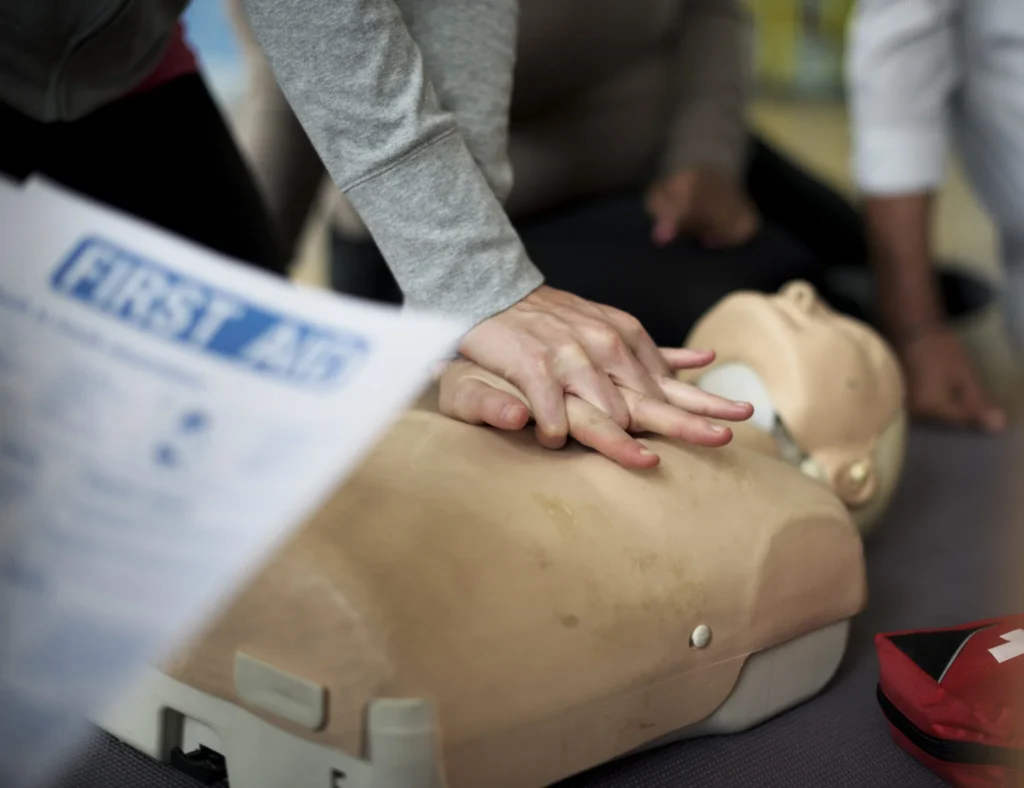
First aid training is a key part of meeting the Code of Practice requirements. Having staff complete nationally recognised first aid courses ensures that:
- they can respond effectively in real situations
- the workplace meets compliance expectations
- confidence and safety awareness improve across the team
Without trained people, even well-equipped workplaces can struggle to respond properly when incidents occur.
Frequently Asked Questions
What is a Code of Practice (COP) for first aid?
The Code of Practice (COP) for first aid is a practical guide that explains how workplaces can meet their legal obligations to provide adequate first aid under Australian Work Health and Safety (WHS) laws. It outlines what equipment, training, and procedures should be in place based on workplace risk.
Is the first aid Code of Practice mandatory?
The Code of Practice itself is not law, but it is widely recognised as the standard for compliance. Businesses must meet WHS obligations, and following the COP is the most straightforward way to demonstrate that they are providing adequate first aid.
Who is responsible for first aid in the workplace?
The primary responsibility sits with the employer or business owner (PCBU). They must ensure appropriate first aid equipment, trained personnel, and procedures are in place. Workers also have a responsibility to follow safety procedures and report hazards.
How often should first aid arrangements be reviewed?
First aid arrangements should be reviewed regularly, particularly when there are changes in the workplace such as new hazards, increased staff numbers, or after an incident. Regular checks ensure equipment is up to date and procedures remain effective.
What determines how much first aid is required in a workplace?
First aid requirements are based on a risk assessment. Factors such as the type of work, hazards present, number of workers, and location (including remoteness) all influence what equipment, training, and facilities are needed.
Do all workplaces need trained first aiders?
Yes, most workplaces are expected to have staff who are trained in first aid available. The number required depends on the size of the workforce and the level of risk, but having trained personnel ensures a faster and more effective response in an emergency.

Ready to Complete your First Aid Training For Parents?
If your training is approaching the recommended renewal timeframe, completing a refresher course is the best way to ensure your skills remain current and workplace compliant.
National First Aid Courses provides nationally recognised training in:
- HLTAID009 – Provide Cardiopulmonary Resuscitation (CPR)
- HLTAID010 – Provide Basic Emergency Life Support
- HLTAID011 – Provide First Aid
Our courses are designed to be practical, accessible, and aligned with the latest Australian safety guidelines, helping individuals and workplaces stay prepared for emergencies.
Whether you need certification for work or simply want to learn life-saving skills, completing a first aid course ensures you are ready to respond when it matters most.