Key Takeaways
- Verify RTO Registration: Always check if the provider is a Registered Training Organisation (RTO). If they aren’t listed on training.gov.au, they could be running an unaccredited course.
- Avoid ‘Too Good to Be True’ Offers: If a deal sounds too cheap, it probably is. Scammers often advertise unrealistically low prices for courses that may not be recognized or are substandard.
- •Check Reviews and Reputation: A legitimate provider will have a solid online presence and positive reviews. Look for feedback on trusted platforms like Google or social media. If there’s no digital footprint, proceed with caution.
- •Watch Out for No Refund Policies: If a provider doesn’t offer a clear refund or cancellation policy, it’s a red flag. Always ensure you have recourse in case the course is not as advertised.
- Question Unclear or Missing Details: Be cautious of providers that don’t offer clear information on course content, instructors’ qualifications, or certification outcomes. Lack of transparency is often a warning sign of a scam.
- Look for Contact Information: A professional training provider will have verifiable contact details, including a physical address, phone number, and email. If the provider is hard to contact, it’s likely a scam.
First Aid Course Scams in 2025: What to Watch Out For
Common First Aid Course Scams in Australia
Here are some of the most common First Aid scams we’ve seen in 2025:
• “Instant First Aid Certificate” – No Training Required
Some sites claim you can get certified instantly just by filling out a quiz or making a payment.
The truth: Real certification requires hands-on or trainer-led assessment. You can’t get certified without actually completing the course with an authorised RTO.
• Super-Cheap Courses That Skip Training
Be wary of courses that cost under $30 or promise certification in 20 minutes without a practical component.
The truth: First Aid courses involve practical skills. If you’re not assessed on CPR or emergency response, the training isn’t compliant.
• Scam Websites Posing as RTOs
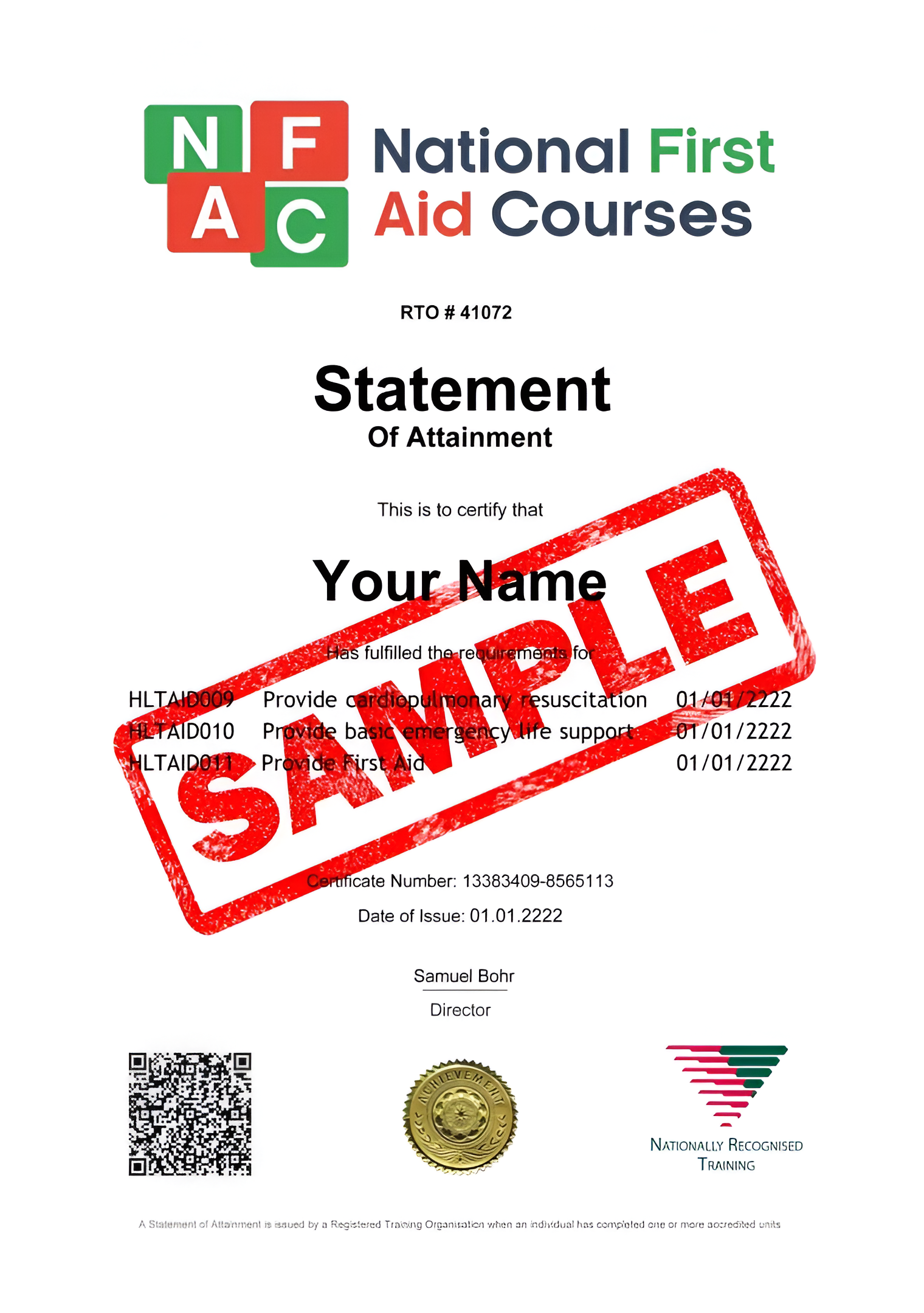
Scammers create fake websites that look professional, complete with logos, “certificates,” and fake government approval badges.
The truth: Only official RTOs registered on training.gov.au can issue legitimate First Aid certifications.
• Fake Providers That Disappear After Payment
Some sites collect your payment and personal info — and then vanish. You’re left with no certificate and a risk of identity theft.
The truth: Real RTOs provide clear contact details, refund policies, and customer support.
What Happens When You Enrol in a First Aid Course Scam

How to Check If a First Aid Course Provider Is Legit
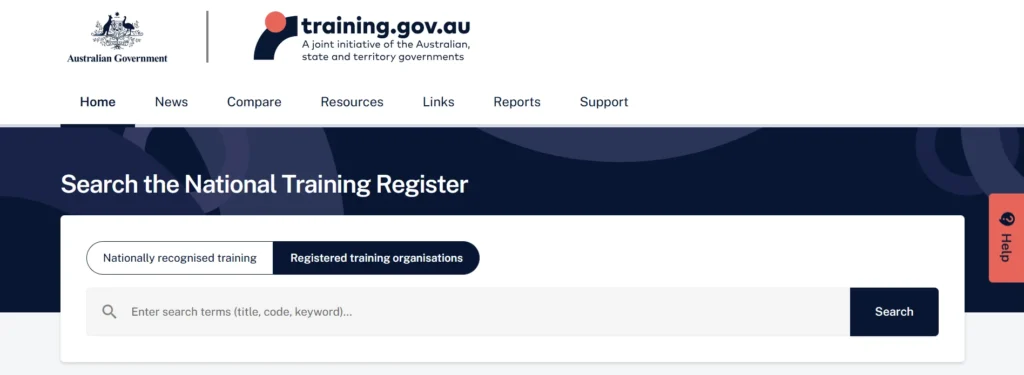
Use this 5-step checklist before signing up for any First Aid training:
1. Confirm They Are a Registered Training Organisation (RTO)
Search their name or RTO number at training.gov.au. If they’re not listed, don’t enrol.
Tip: Legit providers show their RTO number clearly on their site — if you can’t find it, that’s a red flag.
2. Check That They’re Approved to Deliver First Aid Units
Even if they’re an RTO, they must be approved for HLTAID009, HLTAID011, etc.
You can verify this on their training.gov.au profile by reviewing their “Scope” of registration.
3. Verify Delivery Method Compliance
Real courses include:
-
Face-to-face practical training, or
-
Real-time virtual delivery with video assessment (depending on the unit)
Beware of any course that says “100% online” without assessment.
4. Check for Clear Pricing and Policies
A trustworthy provider will list:
-
What’s included in the course
-
How the training is delivered
-
Certificate delivery timelines
-
Refunds and cancellation terms
No fine print, no dodgy upsells.
5. Look for Independent Reviews and Contact Info
Look for reviews on Google, not just their own website. Also, make sure they list a real phone number and ABN.
Warning signs include:
-
No RTO number
-
No ABN
-
No physical address or contact number
-
Typos and vague course descriptions
What to Do If You Think You’ve Been Scammed


Ready to gain the essential skills and knowledge to enhance your resume and advance your career?
Look no further than National First Aid Courses — Australia’s leading First Aid Course provider.
As a Registered Training Organisation (RTO 41072), we guarantee you will receive the highest standard of training.
We offer official, accredited, nationally recognised First Aid training at affordable prices.
Our comprehensive First Aid Courses are designed to equip you with the knowledge and certifications needed to provide life-saving assistance in emergency situations.
With face-to-face instruction, same-day certificates, and convenient locations across New South Wales and Queensland (including Sydney, Brisbane and the Gold Coast) we make it easy for you to become a certified First Aider.
Enrol in one of our upcoming First Aid courses and secure your spot today!