

In Short
- Legal Obligations for First Aid in NSW: Many workplaces in New South Wales are legally required to have employees with a valid First Aid certificate to ensure a safe environment.
- Choose the Right Course: Options include HLTAID009 for CPR, HLTAID010 for advanced techniques, and HLTAID011 for comprehensive First Aid training. Select the course that aligns with your role and needs.
- Nationally Recognised Training: All courses meet Australian standards, ensuring your certification is valid across industries and locations in NSW.
- Convenient Training Locations: Find First Aid training providers near you, whether in Sydney, Newcastle, or regional NSW, with options for in-person and blended learning.
- Boost Your Career and Compliance: A First Aid certificate not only meets workplace requirements but also enhances your resume, making you a valuable candidate in any field.
First Aid Certificate NSW
What Is a First Aid Certificate in NSW?
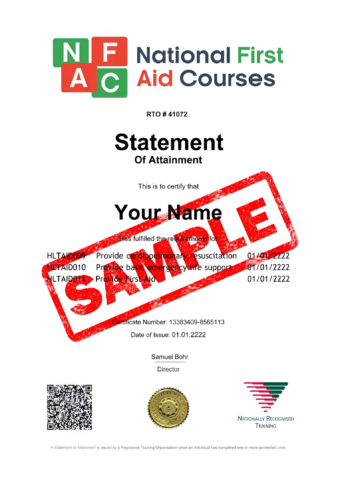
A NSW First Aid Certificate is a nationally recognised qualification that certifies your ability to perform basic first aid procedures.
Whether for professional purposes or personal development, this certificate demonstrates your competence in providing emergency medical care — including cardiopulmonary resuscitation (CPR), wound treatment, and other life-saving techniques.
Why Is a First Aid Certificate Necessary in NSW?
In New South Wales, first aid certification is often required by law in various industries.
Having a certified first aider on-site can significantly improve safety in the workplace and general public spaces.
Here are some key reasons why you need a First Aid certificate:
- Regulatory Compliance: Certain NSW industries, such as childcare and healthcare, mandate first aid certification to meet SafeWork NSW standards.
- Emergency Preparedness: A first aid certificate equips you to respond effectively in emergencies, providing immediate care that can prevent further harm before medical professionals arrive.
- Liability Protection: For businesses, having trained staff with valid first aid certification reduces legal risks and ensures compliance with the NSW Work Health and Safety Act regarding First Aid in the Workplace.
Key Legal Requirements for First Aid Certification in NSW
According to rules set by SafeWork NSW, employers are legally obligated to provide a safe working environment, which includes ensuring sufficient numbers of trained first aiders.
Compliance with these requirements involves:
- First Aid Kits: Every workplace must have an accessible and well-stocked first aid kit.
- Trained First Aiders: Employers must ensure that a certain percentage of the workforce is certified in first aid, depending on the size and nature of the business.
- Regular Training and Refresher Courses: Certification needs to be renewed every three years, with CPR refresher courses required annually to maintain up-to-date skills.
Types of First Aid Courses in NSW
There are various first aid courses available in NSW, each tailored to different needs and industries.
Choosing the right course depends on your role, industry requirements, and specific needs for emergency preparedness.
Most Common First Aid Courses Offered in New South Wales
Below is an overview of the most common first aid courses available in NSW:
- HLTAID011 – Provide First Aid: This is the most comprehensive and widely recognised course. It covers basic life support, CPR, and first aid for a wide range of medical emergencies. This first aid course is often required for workplaces and community settings.
- HLTAID009 – Provide Cardiopulmonary Resuscitation (CPR): Focused specifically on CPR, this course is mandatory for those working in industries where CPR certification needs to be updated annually.
- HLTAID012 – Provide First Aid in an Education and Care Setting: Designed for those working with children, such as educators and childcare workers, this course includes first aid practices specific to infants and children, along with CPR.
Comparison of First Aid Courses
To help you determine which First Aid course best suits your needs, the table below provides a detailed comparison of the most popular courses in NSW.
| Course Code | Course Name | Duration | Renewal Period | |
|---|---|---|---|---|
| HLTAID011 | Provide First Aid | 6-7 Hours | 3 Years | |
| HLTAID009 | Provide CPR | 3-4 Hours | 1 Year | |
| HLTAID012 | Provide First Aid in Education & Care Setting | 6-7 Hours | 3 Years | |
How to Obtain a First Aid Certificate in NSW
Obtaining a first aid certificate in NSW is a simple process however, it’s important to choose the right first aid course provider that aligns with your needs and requirements.
Below, we have outlined the steps you need to take to become First Aid certified in New South Wales:
Step 1: Select an Accredited First Aid Training Provider
The first step to obtaining a first aid certificate in NSW is selecting an accredited first aid training provider.
Look for a Registered Training Organisation (RTO) that provides government-approved and nationally recognised first aid courses.
First aid course providers may offer flexible options to fit around work schedules, including weekend or evening classes.
Step 2: Complete the Course Requirements
Once enrolled, you’ll need to complete the necessary coursework, which typically includes a mix of theoretical learning and practical, hands-on assessments.
Depending on the course, the curriculum may cover topics such as:
- CPR Techniques
- Managing Medical Emergencies
- Treating Burns, Fractures, and Cuts
- Using Defibrillators (AEDs)
The practical component is crucial, as it ensures that you can confidently apply the skills learned in real-world situations.
Step 3: Pass the Practical and Theoretical Assessments
Most courses require both theoretical and practical assessments.
These might include multiple-choice tests on the information you’ve learned, as well as demonstrations of your ability to perform first aid techniques, such as CPR or wound care.
Once you pass these assessments, you’ll receive your first aid certification.
Step 4: Receive Your First Aid Certificate
Upon successful completion of your course and assessments, you’ll receive your First Aid Certificate.
This certificate is valid for three years, although you’ll need to renew your CPR component annually to keep it current.
Most training providers issue digital first aid certificates that can be easily accessed, stored, and shared with employers or other relevant parties.
Maintaining and Renewing Your First Aid Certificate in NSW
Once you’ve obtained your first aid certificate, it’s important to stay current with your training.
Both workplace safety regulations and the skills you’ve learned can evolve over time, which is why maintaining your certification through regular renewal is essential.
How Long Is a First Aid Certificate Valid?
In NSW, a standard First Aid Certificate (HLTAID011) is valid for three years. However, the CPR component (HLTAID009) must be renewed annually to ensure your knowledge and practical skills remain up to date.
When Should You Renew Your First Aid Certificate?
It’s best to renew your certificate before it expires to avoid lapses in compliance with workplace safety regulations.
Some providers send reminders ahead of expiration, but it’s also a good idea to mark your calendar.
The following renewal schedule applies:
- First Aid Certificate: Every 3 years
- CPR Certificate: Every 12 months
For industries like childcare or healthcare, keeping your certification current is crucial, as it may be required for insurance purposes or regulatory compliance.
How to Renew Your First Aid Certificate
Renewing your first aid certificate is similar to the process of obtaining it for the first time, though the courses may be shorter and more focused on refreshing existing skills.
Follow these steps to renew your first aid certificate:
- Choose an Accredited Provider: Ensure the provider you select is accredited to deliver renewal courses that comply with SafeWork NSW standards.
- Complete a Refresher Course: For renewal, you’ll generally need to complete a shorter version of the original course, focusing on updates and critical skills like CPR.
- Pass Assessments: You’ll again need to complete both theoretical and practical assessments to demonstrate your competence.
- Receive Your Renewed Certificate: Once completed, your renewed certificate will be valid for another three years (or one year for CPR).
Importance of Staying Compliant
If your first aid certification lapses, you could be out of compliance with NSW safety regulations, especially in industries where certification is legally required.
This could have consequences for your employment or business operations.
Regularly renewing your certificate ensures you’re always prepared to respond to emergencies and meet legal obligations.
Cost of Getting a First Aid Certificate in NSW
Costs associated with getting your first aid certificate in NSW can vary based on the course type, training provider, and location.
Here’s a detailed breakdown of what you can expect.
Typical Course Fees
The fees for first aid courses in NSW can range significantly depending on several factors, including course duration, provider reputation, and whether the course is offered in-person or online.
Here’s a general overview of typical costs:
| Course Code | Course Name | Typical Cost | Notes |
|---|---|---|---|
| HLTAID011 | Provide First Aid | $100 – $300 | Prices vary based on provider and location. |
| HLTAID009 | Provide CPR | $50 – $150 | Often included as part of the other first aid courses. |
| HLTAID012 | Provide First Aid in Education & Care Setting | $110 – $250 | Includes specific child-related first aid training. |
Funding and Financial Assistance
Several options may be available for funding or financial assistance to help offset the cost of first aid training, particularly for those who work in certain industries.
Here are a few avenues to explore:
- Employer Sponsorship: Many employers cover the costs of first aid training as part of their workplace health and safety initiatives. Check with your employer to see if this is an option.
- Government Grants: Depending on your circumstances, you may be eligible for government funding or grants for training in fields that require first aid certification.
- Group Discounts: Some training providers offer discounts for group bookings, which can significantly lower the per-person cost.
Benefits of Having a First Aid Certificate in NSW
Having a first aid certificate in NSW offers numerous benefits that extend beyond simply being able to provide assistance in emergencies.
Below are some compelling reasons to pursue first aid certification:
1. Enhances Workplace Safety
Having employees trained in first aid significantly boosts workplace safety. In many industries, such as healthcare, aged care and childcare, first aid training is a legal requirement. Certified staff can effectively respond to emergencies, potentially saving lives and reducing the severity of injuries.
2. Increases Employability
A first aid certificate can enhance your resume and make you more attractive to potential employers. Many jobs, especially in sectors like education, healthcare, and hospitality, prioritise candidates with first aid training. This certification demonstrates your commitment to safety and overall preparedness.
3. Builds Confidence
Completing first aid training instills confidence in your ability to respond in emergencies. Knowing how to perform CPR, treat injuries, and manage various medical situations equips you with essential skills that can be vital in critical moments.
4. Promotes a Safety Culture
By obtaining a first aid certificate, you contribute to fostering a culture of safety in your workplace or community. Encouraging others to pursue first aid training can create an environment where safety is prioritised and individuals feel empowered to act in emergencies.
5. Legal Protection
Being certified in first aid can provide legal protection in some cases. While Good Samaritan laws generally protect individuals who act in emergencies, having formal first aid training demonstrates that you have acted responsibly and with the best intentions.
6. Personal Preparedness
Beyond professional settings, first aid skills can be invaluable in your personal life. Whether you’re a parent, caregiver, or someone who enjoys outdoor activities, knowing how to respond to injuries or medical emergencies can help you protect yourself and others in everyday situations.
Frequently Asked Questions (FAQs) About First Aid Certification in NSW
Do I need a first aid certificate to work in NSW?
While not all jobs in NSW require a first aid certificate, many industries mandate it as a legal requirement. Employers may also prefer candidates with first aid training to enhance workplace safety.
How long does it take to complete a first aid course?
Can I take first aid courses online?
Yes, many accredited training providers offer online options for the theoretical components of first aid courses. However, practical assessments must be completed in person to ensure you can perform skills correctly. Check with your chosen provider for specific details.
What happens if my first aid certificate expires?
Are first aid certifications recognised nationally?
How can I find an accredited training provider?