Key Takeaways
- A first aid kit contains essential medical supplies such as dressings, bandages, antiseptics, and protective equipment used to treat injuries before professional help is available.
- Most first aid kits include wound care items, burn treatments, and basic emergency tools to manage common injuries like cuts, burns, sprains, and bleeding.
- The contents of a first aid kit vary depending on the environment, with different requirements for homes, cars, and workplaces in Australia.
- A well-stocked first aid kit helps improve response time and reduce the risk of infection or complications during an emergency.
A first aid kit is one of the most practical safety tools you can have in your home, car, or workplace. It provides essential supplies to manage common injuries such as cuts, burns, sprains, and more serious incidents while waiting for professional medical help.
If you’ve ever wondered what is in a first aid kit, it is a carefully selected collection of medical supplies designed to deliver immediate care before emergency services or medical treatment is available. A standard kit typically includes wound dressings, bandages, antiseptic products, protective equipment, and basic emergency tools.
While the exact contents can vary depending on the environment, most first aid kits are built around the same core purpose: to help you respond quickly and safely to everyday injuries.
This guide outlines a complete first aid kit checklist for Australian homes, vehicles, and workplaces so you can stay prepared in any situation.

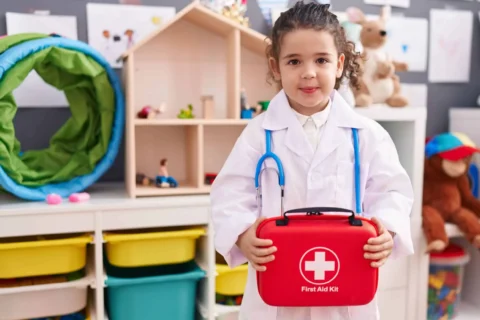
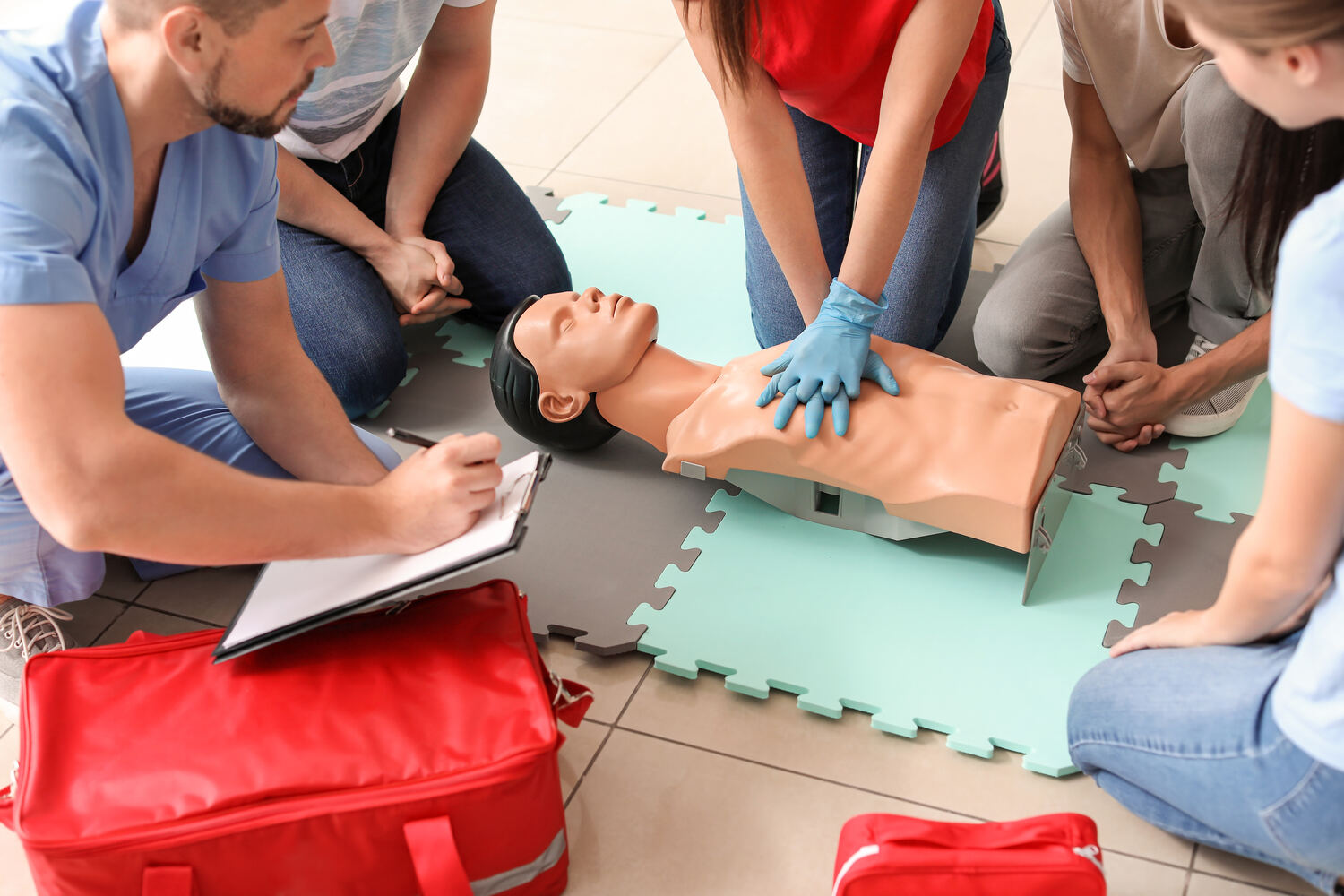


What is a First Aid Kit?
A first aid kit is a collection of medical supplies and emergency tools designed to provide immediate care for illness or injury before professional treatment becomes available.
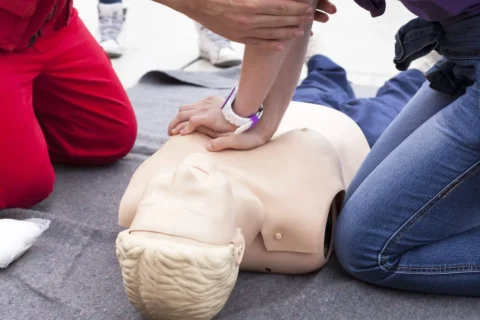
Its purpose is to reduce risk, control injuries, and support a casualty until further help arrives. In everyday situations, this may involve cleaning a wound, stopping bleeding, managing a sprain, protecting a burn, or assisting during a CPR emergency.
A properly stocked first aid kit contains essential supplies that help improve response time and can reduce complications in both minor and serious incidents. These typically include:
- Adhesive dressings
- Sterile gauze pads
- Bandages
- Antiseptic wipes
- Burn dressings or gel
- Disposable gloves
- Scissors and tweezers
- CPR face shield
- Instant cold pack
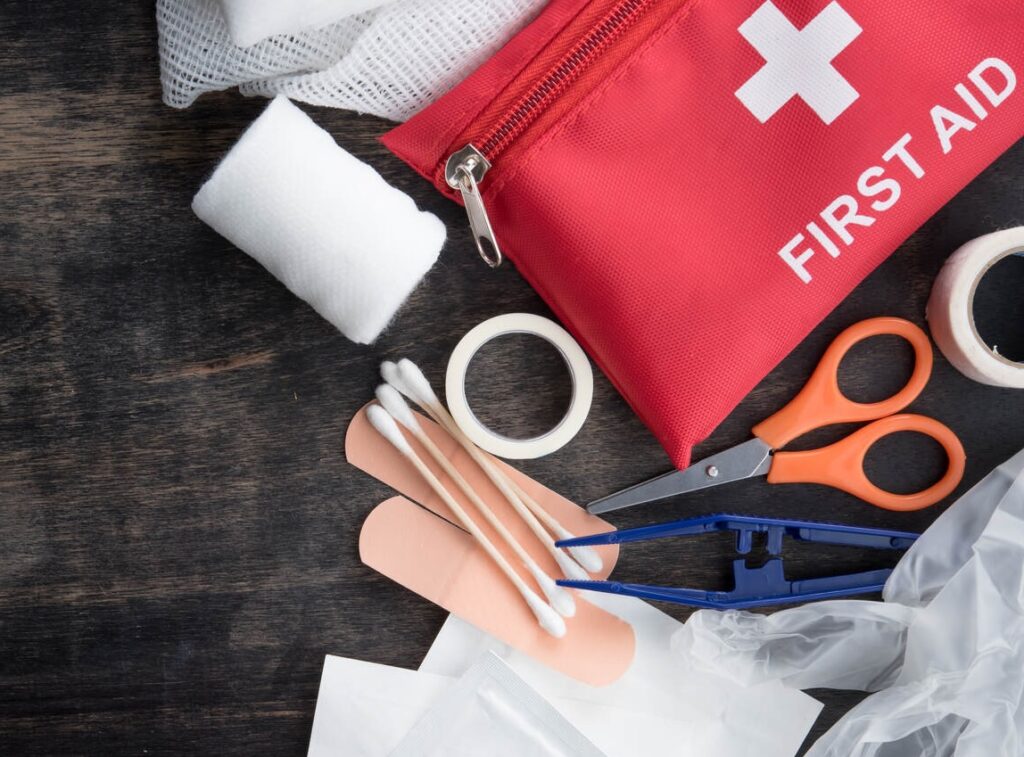
What Is in a First Aid Kit in Australia?
Most standard kits should contain a balanced mix of wound care supplies, bandages, hygiene items, treatment products, and practical emergency tools.
Together, these items help people respond quickly to common injuries such as cuts, burns, sprains, blisters, bleeding and minor medical issues. Although the contents of a first aid kit can vary depending on where it is used, every kit should be designed to provide fast, safe and effective care in an emergency.
Wound Care Supplies in a First Aid Kit
Wound treatment items are usually the most commonly used part of any first aid kit. These supplies help clean, protect and manage injuries ranging from minor cuts and scrapes to more serious wounds. Common wound care items include:
- Adhesive dressings (Band-Aids) – Useful for small cuts, grazes, blisters and minor abrasions.
- Sterile gauze pads – Help absorb blood, protect open wounds and reduce contamination.
- Non-stick dressings – Ideal for larger wounds, burns or damaged skin where sticking could cause further injury.
- Adhesive tape – Used to secure dressings, gauze and bandages in place.
- Antiseptic wipes or saline solution – Helps clean wounds and lower the risk of infection.
- Wound closure strips – Can assist with small lacerations where skin edges need gentle support.
- Cotton swabs or sterile pads – Useful for cleaning around wounds or applying solutions where appropriate.
Keeping these items stocked and sterile ensures a first aid kit is ready for the most common everyday injuries, whether at home, in the car or in the workplace.
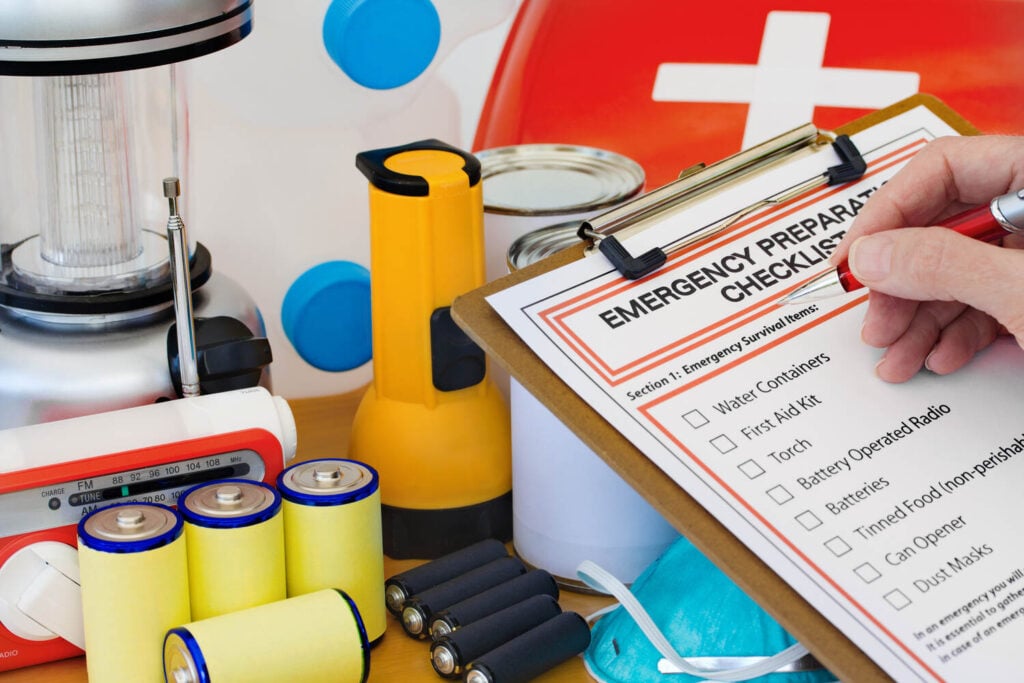
Bandages and Injury Support Items
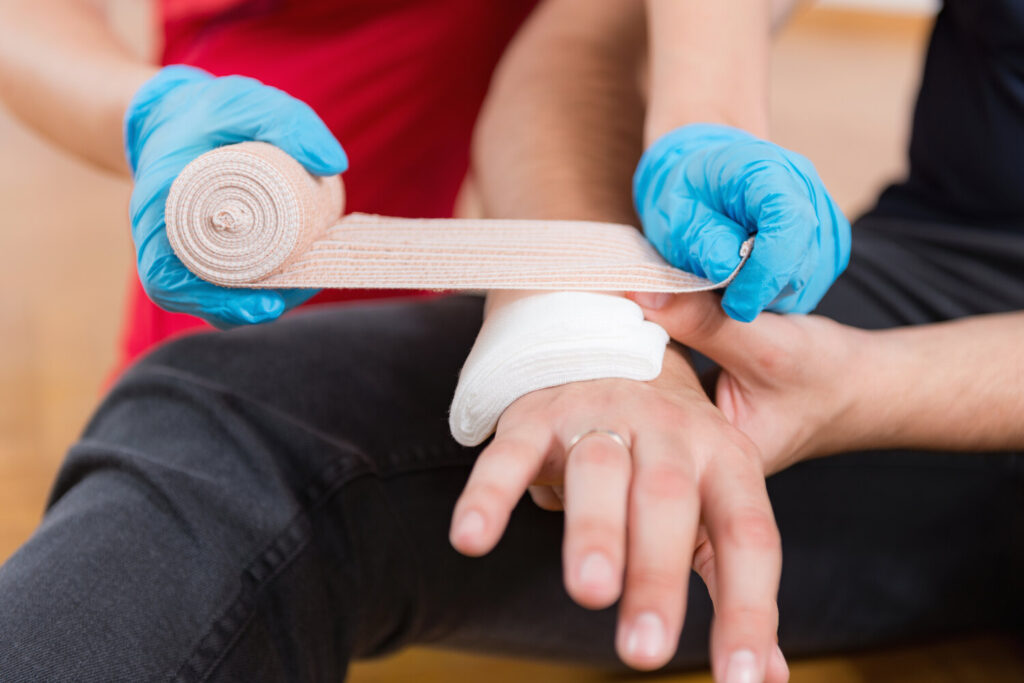
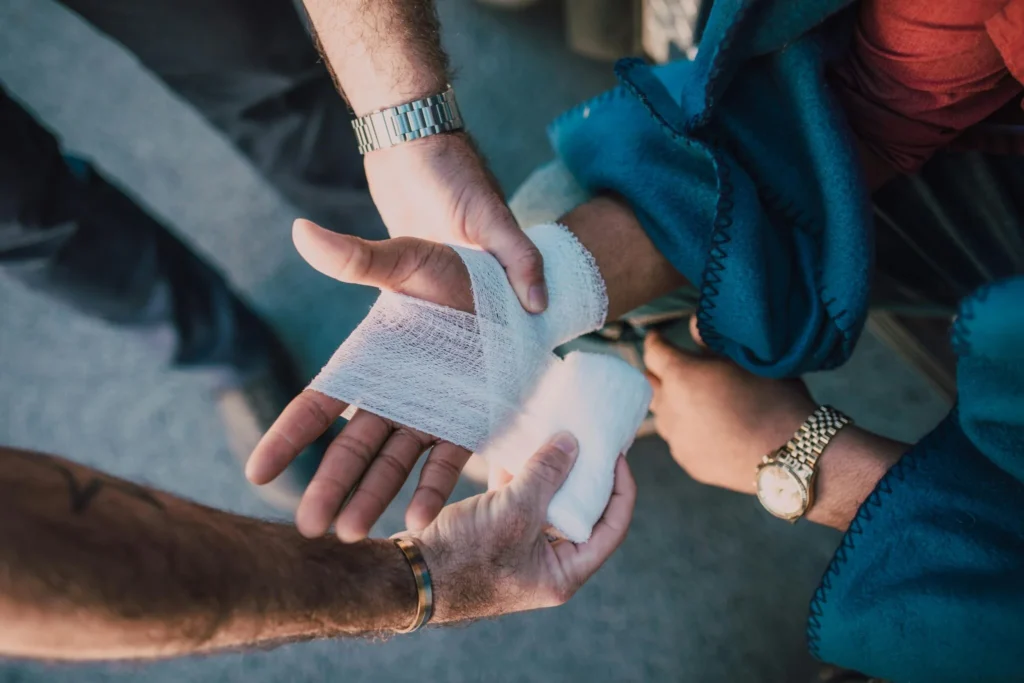
Bandages are one of the most important items in a first aid kit because they provide compression, protection and immobilisation. They are particularly useful for sprains, swelling, fractures, soft tissue injuries and wound management. Common bandages and support materials include:
- Crepe bandages – Often used for sprains, swelling and soft tissue injuries where light compression or support is needed.
- Triangular bandages – Highly versatile and commonly used to create slings, support fractures, immobilise limbs or provide padding.
- Roller bandages – Helpful for securing dressings in place and protecting wounds after treatment.
- Elastic compression bandages – Designed to reduce swelling, improve support and help manage strains or joint injuries.
- Conforming bandages – Flexible bandages that mould closely to different parts of the body, making them useful for securing dressings around awkward areas like hands, knees or elbows.
These supplies are especially valuable in homes, sports settings, workplaces and vehicles, where injuries such as sprains, falls or cuts may require quick support before further medical care is available.
Burn Treatment Supplies
Burn care is another important part of a complete first aid kit. These items help manage burns, swelling, and shock-related emergencies.
- Burn gel or specialised burn dressings – Help cool, soothe, and protect minor burns.
- Instant cold packs – Useful for bruising, swelling, and soft tissue injuries when ice is not available.
- Emergency thermal blanket – Helps retain body heat during shock, exposure, or trauma situations.
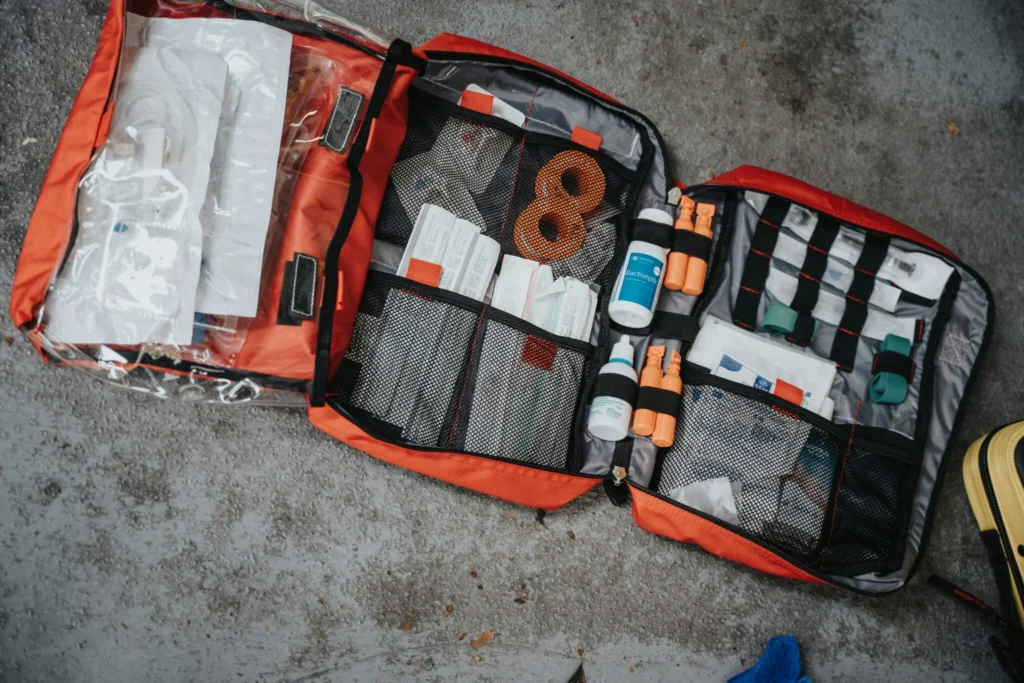
Protective Equipment and Hygiene Items
Safety is not only about treating the casualty. It also involves reducing infection risk for both the injured person and the responder. Disposable gloves are one of the most essential items in any first aid kit, helping protect against blood and bodily fluids.
A CPR face shield or resuscitation mask is important for safer rescue breathing during CPR. Hand sanitiser helps maintain hygiene when soap and water are unavailable, and biohazard disposal bags are useful in workplaces or higher-risk environments for safely handling contaminated materials.
Essential First Aid Tools
In addition to dressings and protective supplies, a first aid kit should also contain practical tools that make treatment easier, faster, and more effective. These items can assist with wound care, monitoring symptoms, improving visibility in emergencies, and helping responders manage situations more efficiently.
- Scissors – Commonly used for cutting tape, dressings, or clothing during emergencies.
- Tweezers – Helpful for removing splinters or debris from wounds.
- Safety pins – Often paired with triangular bandages when creating slings or securing support wraps.
- Digital thermometer – Useful for monitoring fever or heat-related illness.
- Torch or penlight – Can assist during power outages, night emergencies, or low-light situations.
- Notepad and pen – Helpful for recording treatment times, symptoms, medications, or incident details.
Should Medication Be in a First Aid Kit?
Some first aid kits may include basic medications or specialised treatment items, although this often depends on where the kit is stored, who may need to use it, and local workplace or safety requirements. These supplies can help manage minor reactions, eye injuries, pain relief, or specific personal medical needs.
- Saline eye wash – Useful for flushing dust, chemicals, or debris from the eyes.
- Sting relief products – Can help reduce discomfort from insect bites or stings.
- Antihistamines – May assist with mild allergic reactions where appropriate.
- Basic pain relief – Sometimes included for minor pain, headaches, or discomfort, depending on kit type and policies.
- Personal emergency medications – Some households or individuals may keep essential items nearby, such as asthma inhalers or EpiPens, for known medical conditions.
In workplace settings, medication storage often depends on internal procedures, training requirements, and WHS considerations.
Does Every First Aid Kit Need the Same Items?
No. What is in a first aid kit often depends on the environment. A home first aid kit should focus on common family injuries such as cuts, burns, fevers, sprains and minor illness. Car first aid kits should remain compact but practical, with items that assist during road accidents, travel emergencies or remote breakdowns.
Workplace first aid kits are usually more comprehensive. Under Australian WHS requirements and Safe Work Australia guidelines, businesses must provide suitable first aid resources based on risk levels, workplace hazards, staff numbers and the nature of work being performed. Higher-risk sites may need larger trauma dressings, eye wash solutions, PPE and resuscitation equipment.
How Often Should You Check a First Aid Kit?
A first aid kit should be checked regularly to make sure it is complete, safe and ready to use. Supplies can expire, sterile packaging may become damaged, batteries can fail, and commonly used items may not be replaced after use.
As a general guide, it is wise to inspect a first aid kit every three to six months. It should also be checked immediately after being used in an emergency.
What Should Not Be in a First Aid Kit?
Just as important as knowing what belongs in a kit is understanding what should stay out.
Expired medication, damaged tools, contaminated dressings and unlabelled items can create confusion during emergencies. A first aid kit should remain organised, clean and easy to access.
If an item is unsafe, expired, or something the user does not know how to use, it does not belong in the kit.
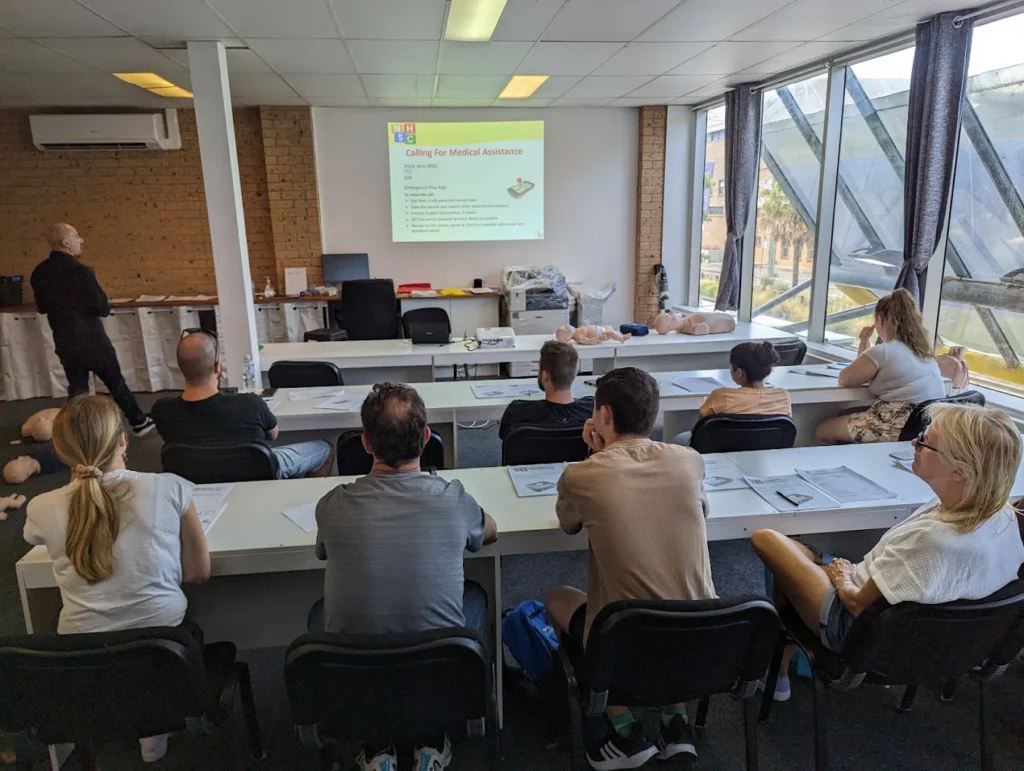
Why First Aid Training Matters
Having the right supplies is only one part of emergency readiness. Knowing how to use them correctly is equally important.
Even the best-stocked first aid kit cannot replace practical training in CPR, wound management, burns care or emergency response.
First aid training helps people respond faster, remain calmer under pressure, and make better decisions in homes, workplaces, schools and public spaces.
Frequently Asked Questions
Are first aid kits in Australia the same as other countries?
Not quite. While the basics are pretty much universal, like bandages, antiseptics, and gloves.
What goes inside a kit can vary depending on where you are. Australia follows guidelines set by organisations like St John Ambulance Australia and the Australian Resuscitation Council, which means some items and quantities are specific to local standards.
In the UK, kits follow British Standard BS 8599, and the US has its own OSHA requirements. The core idea is the same everywhere, but the exact contents, quantities, and required items can differ from country to country.
What should be in a basic home first aid kit?
A basic home first aid kit should contain essentials for common injuries, including:
- Adhesive plasters and dressings
- Sterile gauze and bandages
- Antiseptic wipes or solution
- Burn gel or burn dressings
- Disposable gloves
- Scissors and tweezers
- Instant cold pack
- Thermometer
These items help manage cuts, burns, sprains and minor medical incidents at home.
What is in a first aid kit for a car?
A car first aid kit should be compact but practical. It usually includes wound dressings, bandages, antiseptic wipes, gloves, a thermal blanket, and basic tools like scissors. Some kits may also include a torch and emergency contact information for roadside or emergency situations.
What is in a workplace first aid kit?
Workplace first aid kits in Australia are guided by WHS requirements and are usually more comprehensive. They often include trauma dressings, eye wash, CPR masks, burn treatments, PPE such as gloves, and additional bandages depending on workplace hazards and staff numbers.
Do all first aid kits have the same items?
No. The contents of a first aid kit depend on where it is used and the level of risk involved. Home kits are generally basic, car kits are portable and compact, and workplace kits are more advanced to meet safety regulations and potential hazards.
How often should you replace items in a first aid kit?
First aid kits should be checked every 3 to 6 months. Items should be replaced immediately if they are used, expired, or damaged. Keeping your kit up to date ensures it is always ready for emergencies.
Get Government-Approved First Aid Training at a Location Near You!
Ready to Complete your First Aid Training?
If you’ve never done a first aid course before, completing your initial training is the best way to build the skills you need to respond confidently in an emergency.
National First Aid Courses provides nationally recognised training in:
- HLTAID009 – Provide Cardiopulmonary Resuscitation (CPR)
- HLTAID010 – Provide Basic Emergency Life Support
- HLTAID011 – Provide First Aid
Our courses are designed to be practical, accessible, and aligned with the latest Australian safety guidelines, helping individuals and workplaces stay prepared for emergencies.
Whether you need certification for work or simply want to learn life-saving skills, completing a first aid course ensures you are ready to respond when it matters most.