As the school year begins, children across Australia are returning to classrooms, playgrounds and sports fields. With that excitement comes an increased risk of minor injuries and, in some cases, serious medical emergencies. That’s why back-to-school season is the perfect time for parents and carers to refresh their first aid knowledge.
From allergy management to playground mishaps, understanding how to respond calmly and correctly can make all the difference in those crucial first moments.
Allergy Awareness and EpiPen Safety
Food allergies and anaphylaxis are an increasing concern in Australian schools, with many children relying on adrenaline auto-injectors such as EpiPens.
If your child has a known allergy, preparation is essential. Parents should ensure their child’s EpiPen is in date, clearly labelled and stored according to school policy.
Schools should be provided with an up-to-date ASCIA Action Plan, and teachers should be aware of where the device is kept and how to use it.
Children, where age-appropriate, should also be taught to recognise early warning signs of an allergic reaction, such as itching, swelling, hives, nausea or difficulty breathing.
Importantly, adrenaline is safe to use. If anaphylaxis is suspected, the EpiPen should be administered immediately and 000 should also be called without delay. Acting early can save a life.
Common School Injuries and What to Do
While most school-related injuries are minor, knowing the correct first aid response can prevent further harm and speed up recovery.
Cuts and grazes are among the most common injuries. These should be cleaned with running water, pressure applied to stop bleeding, and covered with a clean dressing to reduce the risk of infection.
Sprains and strains often occur during sport or playground activity. The recommended approach is RICER (Rest, Ice, Compression, Elevation and Referral). It’s also important to note, returning to activity too soon can worsen the injury.
Head knocks should never be ignored. Parents and carers should watch for symptoms such as persistent headache, dizziness, vomiting, confusion or unusual drowsiness. If symptoms worsen or don’t improve, medical advice should be sought.
Nosebleeds are common and can look alarming, but are usually easy to manage. Sit the child upright, lean them forward, and pinch the soft part of the nose for 10 minutes. Avoid tilting the head back, as this can cause the child to swallow blood.
Why First Aid Training is Invaluable
While Australian schools are required to have trained staff on site, accidents don’t only happen during school hours. Injuries and emergencies are just as likely to occur at home, during after-school sport, or on weekends.
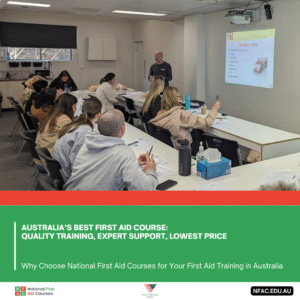
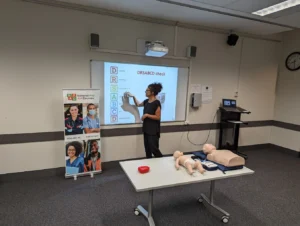
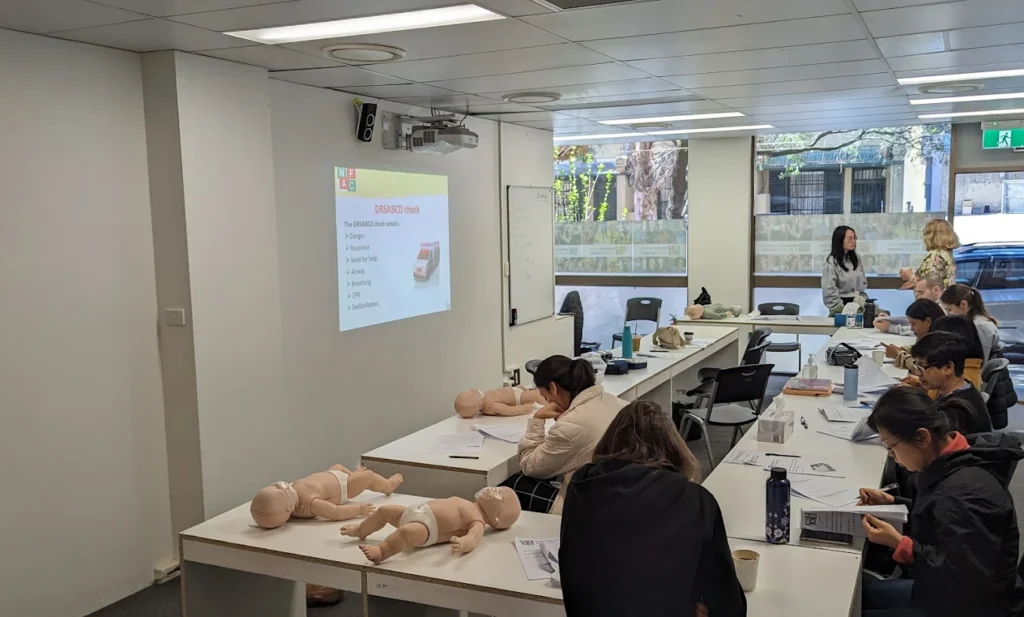
Completing a nationally recognised first aid course gives parents the confidence and skills to respond appropriately in any situation. Knowing what to do, and what not to do, can reduce panic and improve outcomes for children and adults alike.
Courses that cover CPR, anaphylaxis management, asthma first aid and child-specific emergencies are particularly valuable for parents and carers.
Be Prepared for a Safer School Year
The start of the school year is a fresh opportunity to prioritise safety. Reviewing emergency plans, refreshing first aid skills and ensuring children’s medical needs are clearly communicated can help create a safer environment for everyone.
National First Aid Courses (NFAC) delivers nationally recognised first aid training across Australia, providing practical, up-to-date education aligned with current Australian Resuscitation Council (ARC) and ASCIA guidelines.
To learn more or find a course near you here.