Key Takeaways for Australian Workers
- CPR Techniques: Learn the essential CPR techniques for adults, children, and infants, including chest compressions and rescue breaths.
- First Aid for Choking: Understand how to assist someone who is choking, including proper back blows and abdominal thrusts.
- Emergency Response: Gain knowledge on how to handle different emergency situations effectively, from severe bleeding to burns.
- Legal and Ethical Considerations: Learn about the legal responsibilities and ethical concerns when providing first aid and CPR.
- Using AEDs: Understand the proper use of automated external defibrillators (AEDs) to save lives during cardiac emergencies.
- Responding to Medical Emergencies: Learn how to handle medical emergencies such as heart attacks, strokes, and seizures.
Did You Know?

CPR Course (Provide Cardiopulmonary Resuscitation)
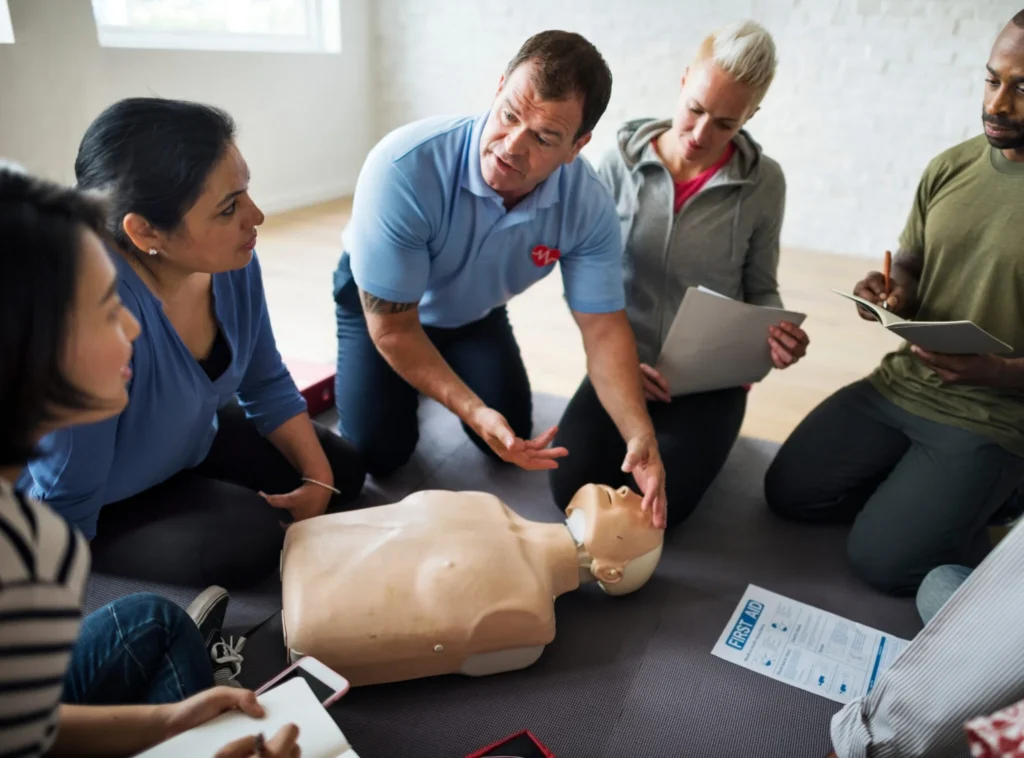
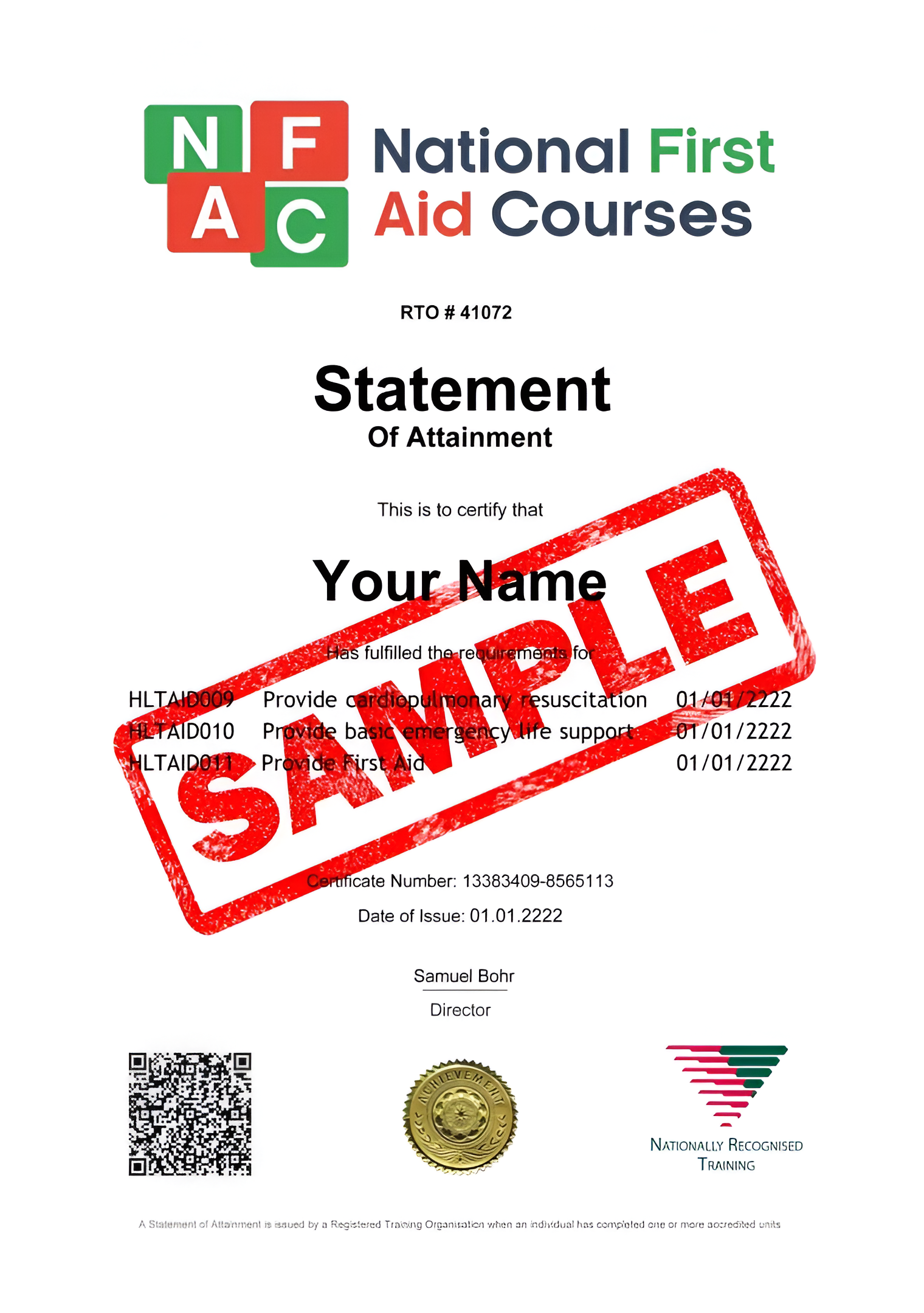
Units of Competency:
-
HLTAID009 – Provide Cardiopulmonary Resuscitation (CPR)
This nationally recognised CPR course focuses specifically on how to respond to breathing and cardiac emergencies. It meets Australian Resuscitation Council (ARC) guidelines and is often required for annual workplace compliance.
It’s a short but critical training that refreshes and sharpens your life-saving skills.
What You’ll Learn:
-
Recognise the signs of cardiac arrest and breathing emergencies
-
Follow the DRSABCD action plan for a structured response
-
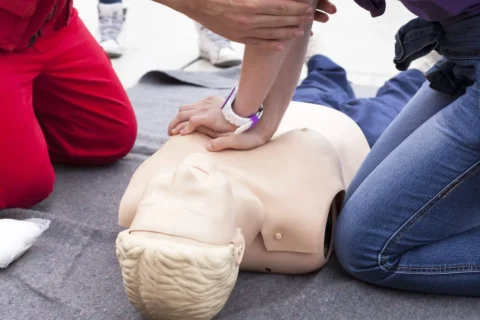
Perform effective CPR on adults, children, and infants
-
Use an AED (Automated External Defibrillator) safely and quickly
-
Handle situations involving unconscious but breathing patients
-
Understand legal considerations, consent, and duty of care when performing CPR
-
Accurately report incidents for workplace or legal documentation
✅ Ideal for:
-
Workplaces:
Many Australian workplaces require staff to complete CPR training every 12 months to stay compliant with WHS regulations — especially in health, fitness, childcare, construction, and aged care sectors. -
Health and Fitness Professionals:
Gym staff, personal trainers, and coaches often need current CPR certification for employment and insurance purposes. -
Aged Care and Support Workers:
CPR knowledge is critical when working with elderly or vulnerable people who may experience breathing or cardiac emergencies. -
Schools and Childcare Centres:
Staff need to maintain CPR currency to meet government and licensing requirements for working with children. -
General Public:
Anyone who wants a fast, practical course to confidently perform CPR and use a defibrillator — you don’t need prior experience.
Childcare First Aid Course (Provide First Aid in an Education and Care Setting)
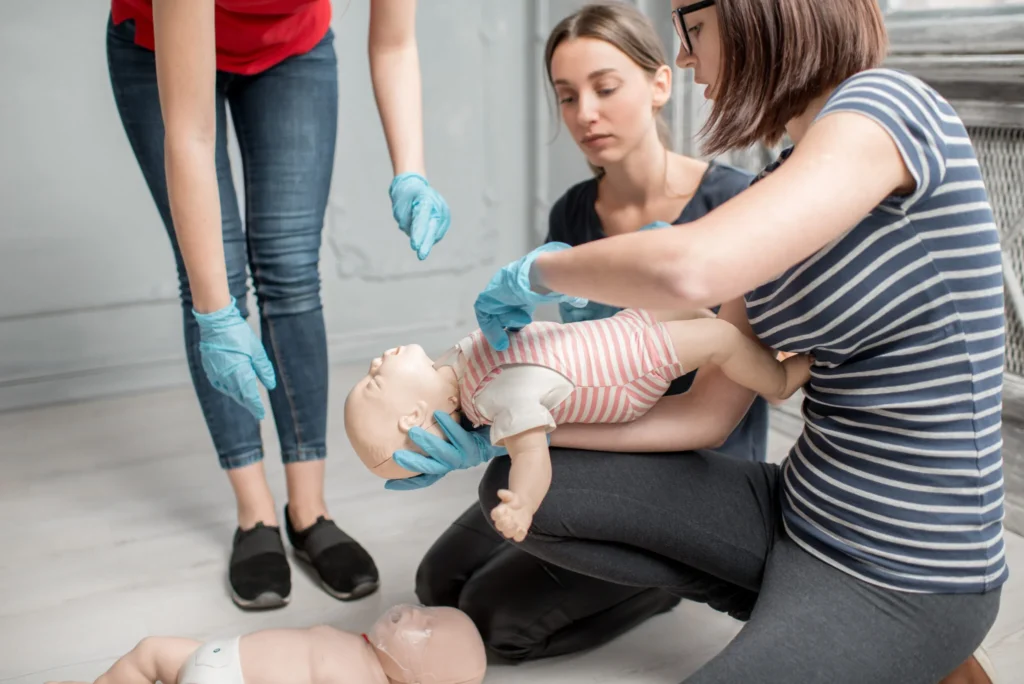
Real-World Scenarios: When First Aid Training Matters Most
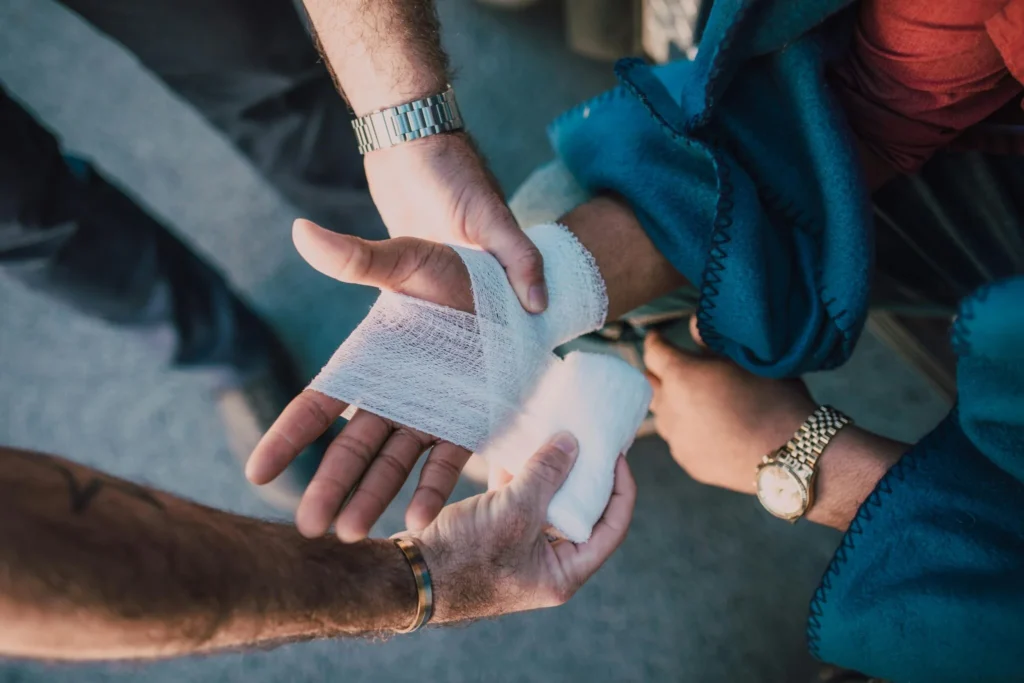

Ready to gain the essential skills and knowledge to enhance your resume and advance your career?
Look no further than National First Aid Courses — Australia’s leading First Aid Course provider.
As a Registered Training Organisation (RTO 41072), we guarantee you will receive the highest standard of training.
We offer official, accredited, nationally recognised First Aid training at affordable prices.
Our comprehensive First Aid Courses are designed to equip you with the knowledge and certifications needed to provide life-saving assistance in emergency situations.
With face-to-face instruction, same-day certificates, and convenient locations across New South Wales and Queensland (including Sydney, Brisbane and the Gold Coast) we make it easy for you to become a certified First Aider.
Enrol in one of our upcoming First Aid courses and secure your spot today!
Get Government-Approved First Aid Training at a Location Near You!
Want to step into your volunteer role with confidence and the skills to make a real difference?
Join thousands of Australians who trust National First Aid Courses — a leading provider of nationally recognised, accredited training that’s designed for real-world community settings.
As a Registered Training Organisation (RTO 41072), we specialise in practical, hands-on first aid courses that prepare you to respond in emergencies — whether you’re helping at events, visiting aged care homes, or supporting vulnerable people.
With convenient face-to-face training across NSW, VIC and QLD, same-day certificates, and competitive pricing, getting certified has never been easier.
Enrol in a First Aid or CPR course with National First Aid Courses today — and be the calm, capable presence your community can count on.