Key Takeaways for First Aid Compliance 2026
- Risk-Based Requirements: First aid obligations depend on activity of work, level of hazards, participant numbers, and environment — not business type or profit status.
- PCBU Duty of Care: PCBUs must ensure adequate first aid arrangements, including trained first aiders, facilities, and equipment, for all workers and participants.
- Code of Practice Guidance: Safe Work Australia’s First Aid in the Workplace Code of Practice provides practical guidance, forming a defensible benchmark for compliance.
- Training Must Be RTO-Delivered: Only nationally recognised training delivered by a Registered Training Organisation meets WHS compliance.
- Adequate Coverage is Essential: Ensure trained first aiders are available across all shifts, areas, and activities, including volunteer or community events.
- Refreshers Maintain Competency: CPR refreshers should occur annually, and full first aid every three years, with more frequent updates for high-risk workplaces or skill-fade concerns.
- Special Considerations: Remote sites, high-risk industries, and vulnerable participants (children, elderly) may require additional or tailored first aid units and resources.
- Record-Keeping Supports Compliance: Maintain certificates, refresher dates, attendance, and coverage planning as evidence for audits, investigations, and insurance purposes.
- Volunteers and Community Groups: Being volunteer-run does not remove obligations; first aid coverage must still meet the assessed risk level of activities.
First Aid Training and Compliance Australia
Who This 2026 First Aid Training Guide Is For
This guide applies broadly to organisations and individuals that conduct work or organised activities in Australia, including:
- Employers and PCBUs of all sizes
- Small business owners, including sole traders who engage workers
- Not-for-profit and community organisations
- Sporting clubs, associations, and charities
- Organisations that engage volunteers, where WHS duties apply
IMPORTANT: Under Australian WHS law, First Aid and responsibility of care duties are typically determined by activities and size — not business type or profit status.
Being volunteer-run, or community-based does not automatically remove first aid obligations.
The Legal Duty to Provide First Aid Training in Australia

The PCBU Duty of Care
Australian WHS laws place a primary duty of care on a Person Conducting a Business or Undertaking (PCBU) to ensure, so far as is reasonably practicable, the health and safety of workers and others who may be affected by the work.
This duty includes providing adequate first aid arrangements.
In all states and territories across Australia, PCBUs must ensure:
- Adequate first aid equipment is provided
- Adequate first aid facilities are available
- An adequate number of trained first aiders are available
While the regulation does not list specific courses or numbers, the requirement for trained first aiders makes training unavoidable. If no one is trained, first aid is not being provided in any meaningful sense.
Australia First Aid Code of Practice 2026 Explained
Safe Work Australia’s First Aid in the Workplace Code of Practice provides practical guidance on how to meet these obligations. While not law, Codes of Practice are commonly relied upon by regulators when assessing compliance.
IMPORTANT: Following the Code of Practice does not guarantee compliance in every circumstance. However, it provides a strong and defensible benchmark if first aid arrangements are reviewed, audited, or investigated by a regulator.
-
Safe Work Australia’s First Aid in the Workplace Code of Practice is not legislation.
-
However, under WHS laws, Codes of Practice are admissible in court and are commonly used by regulators (SafeWork NSW, WorkSafe Victoria, etc.) to assess whether a PCBU has met their duties.
-
Following a Code of Practice is widely recognised as evidence of taking “reasonably practicable” steps to comply with WHS obligations.
-
That said, compliance with a Code does not automatically equal legal compliance in every scenario — especially where higher risks, remote work, or industry-specific hazards exist.
Is First Aid Training Mandatory in Australia?

This is one of the most commonly misunderstood areas of WHS compliance.
There is no single national rule that says every worker, volunteer, or participant must hold a first aid certificate.
However, Australian WHS law does require that:
- Trained first aiders are available
- First aid can be administered when needed
- Coverage is adequate for the risks involved
In practice, this means first aid training becomes mandatory by necessity, based on the nature of the work or activity.
Practical Examples: How First Aid Requirements Vary by Workplace and Activity in Australia
| Scenario | Risk Profile | What the Code of Practice Would Typically Support |
|---|---|---|
| Small office (low-risk work) | Sedentary work, minimal hazards | One trained first aider may be sufficient, with a basic first aid kit and clear emergency procedures. |
| Café or food business with kitchen hazards | Burns, cuts, slips, hot equipment | More comprehensive first aid coverage, potentially multiple trained staff per shift, burn treatment supplies, and procedures aligned to higher injury risk. |
| Community sporting club (regular training or matches) | Physical contact, sprains, fractures, heat stress | Trained supervision present during activities, appropriate first aid kits on-site, and emergency response procedures suited to sporting injuries. |
| Volunteer-run event or organisation | Risks depend on activity, crowd size, and environment | First aid arrangements must still be appropriate to the activity — volunteer status does not remove WHS duties or first aid obligations. |
| Construction or trade workplace | High-risk work, machinery, power tools | Multiple trained first aiders, higher-level first aid training, specialised equipment, and clear emergency response planning. |
| Remote or regional worksite | Delayed emergency services, isolation | Additional first aid training, more advanced supplies, and plans that account for extended response times. |
How First Aid Training Requirements Are Determined
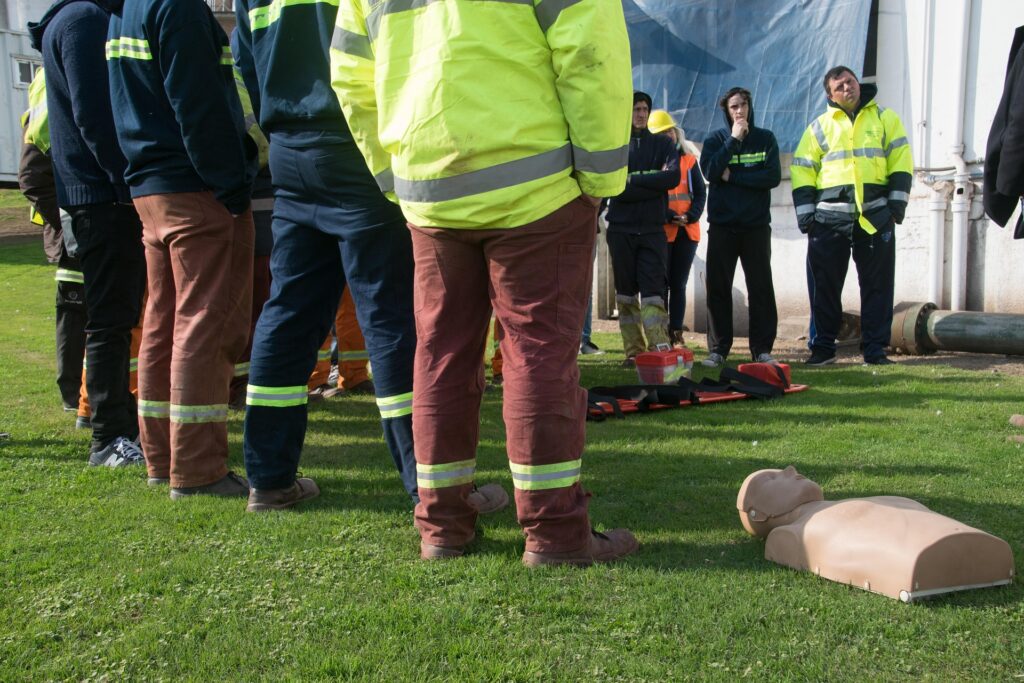
Australian WHS law uses a risk-based approach, rather than fixed rules.
This applies equally to large employers, small businesses, and community groups.
Factors that must be considered include:
- The type of work or activity being undertaken
- The level and severity of potential injury or illness
- The number of workers, volunteers, or participants
- The age and vulnerability of people involved
- Workplace layout and accessibility
- Shift patterns and hours of operation
- Distance to emergency medical services
IMPORTANT: A small organisation can still be high risk, and a large organisation can still be low risk. Regulators assess whether first aid training is appropriate and adequate, not whether a specific number has been met.
Nationally Recognised First Aid Training and Certification in Australia
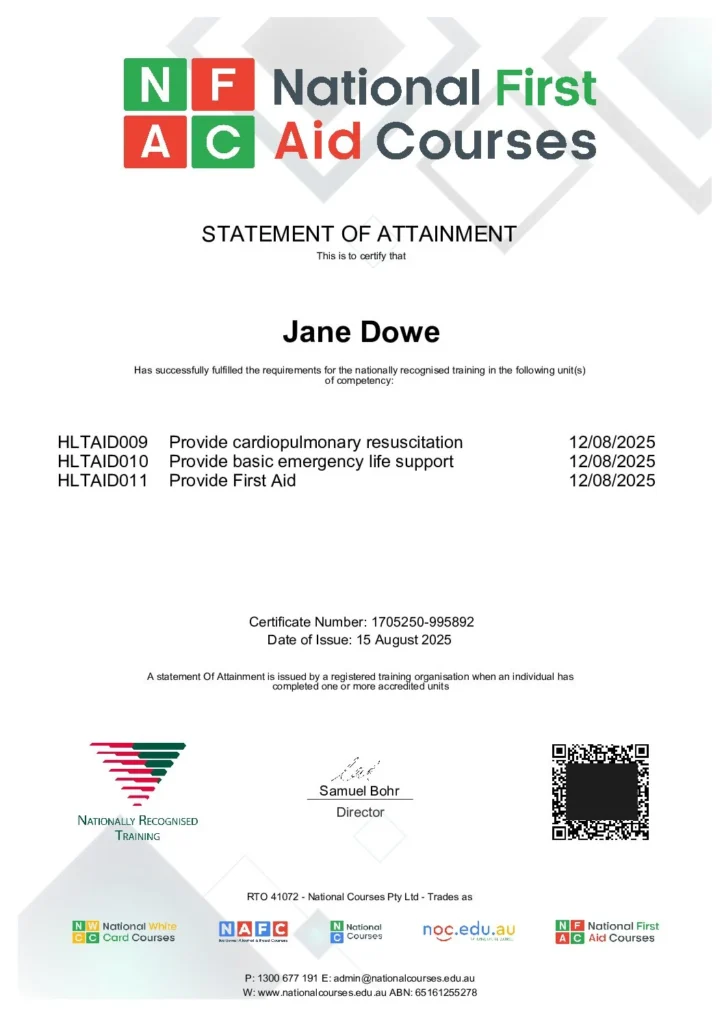
Only training delivered by a Registered Training Organisation (RTO) is nationally recognised and legally compliant in Australia.
Choosing an RTO (such as National First Aid Courses) ensures your staff receive accredited, high-quality first aid instruction that meets Australian work health and safety laws and regulator expectations.
It also means you will receive a government-approved First Aid certificate that is recognised by regulatory bodies nationwide.
This is critical for protecting your people, your workplace, and ensuring a defensible position in any audit or inspection.
What is an RTO?
An RTO is a training provider approved by the Australian Skills Quality Authority (ASQA) to deliver nationally recognised courses and issue accredited qualifications.
Below is a summary of the primary first aid units we deliver and how they are typically applied across different work environments.
| Course | Units Included | What It Covers | Typically Required For |
|---|---|---|---|
| First Aid Course (inc CPR) From $90 |
HLTAID011 – Provide First Aid HLTAID010 – Provide Basic Emergency Life Support HLTAID009 – Provide CPR |
Comprehensive first aid, CPR, AED use, managing bleeding, burns, fractures, shock, and other medical emergencies. | Medium- to high-risk workplaces, supervisory roles, community or volunteer coordinators, construction, events, and workplaces where full first aid coverage is required. |
| CPR Course From $50 |
HLTAID009 – Provide CPR | CPR and basic life support techniques, including AED use. Does not cover broader first aid management. | Low-risk workplaces, annual CPR refreshers, or supplementary coverage where full first aiders are already present. |
| Child Care First Aid Course From $110 |
HLTAID012 – Provide First Aid in an Education and Care Setting HLTAID011 – Provide First Aid HLTAID010 – Provide Basic Emergency Life Support HLTAID009 – Provide CPR |
First aid and CPR for children and adults, including asthma, anaphylaxis, choking, febrile convulsions, and general medical emergencies. | Childcare centres, early learning services, schools, OSHC providers, and education staff required to meet ACECQA and regulatory obligations. |
IMPORTANT:
- CPR-only training is often not sufficient to meet workplace first aid obligations.
- All first aid training must be nationally recognised and delivered by a Registered Training Organisation (RTO).
- Certain organisations and employers, such as Australian mining companies and the NSW Police Force, require additional or role-specific first aid competencies, which we can provide as tailored training.
First Aid Refresher Courses and Employer Expectations
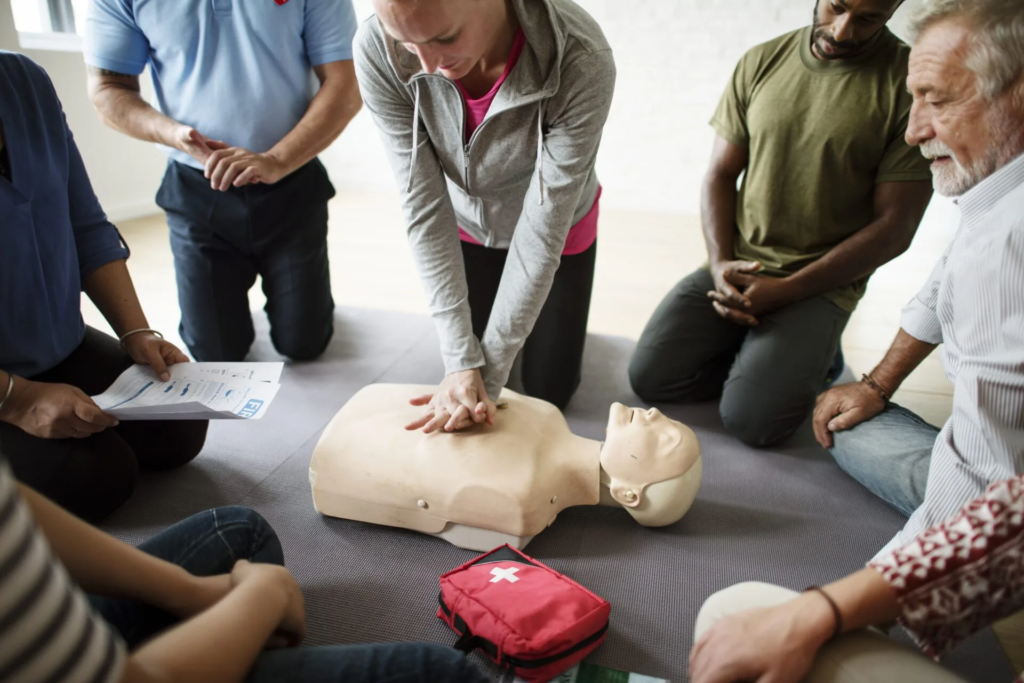
What “Adequate First Aid Coverage” Means in Practice
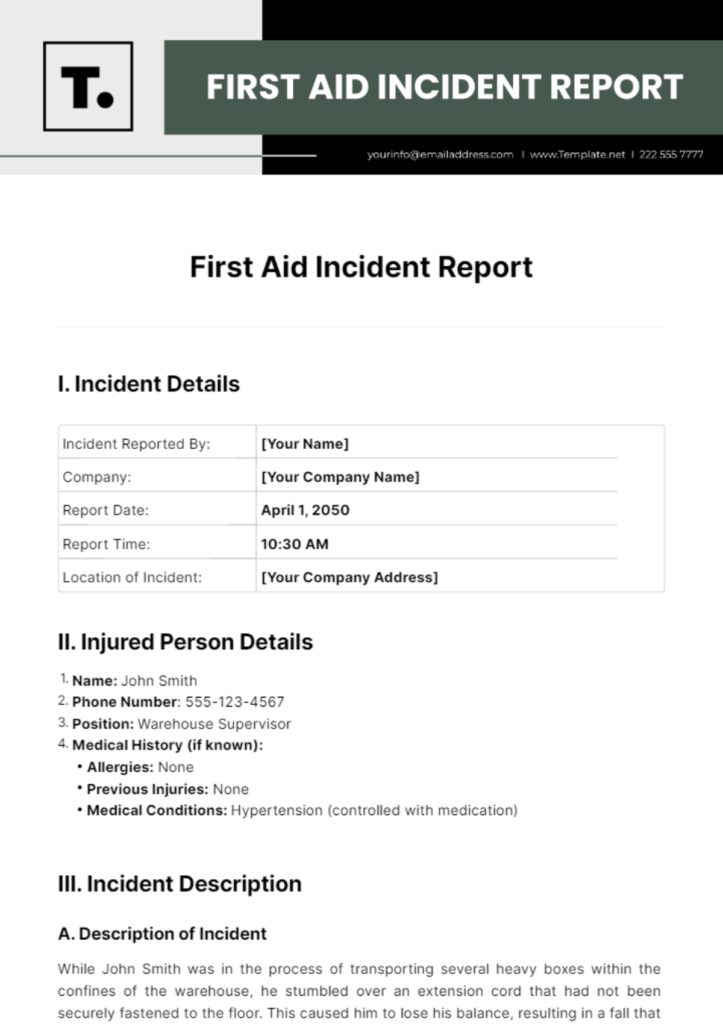
Record-Keeping and Evidence of Compliance
Common First Aid Training Compliance Failures
First Aid Training FAQs 2026
How do I know if my workplace risk level requires more than one first aider?
Assess your risk factors: type of work, hazards, number of staff or volunteers, shift patterns, and access to emergency services. High-risk activities, multiple areas, or large events usually require more than one trained first aider.
How can I demonstrate adequate first aid coverage to regulators?
Keep records of training certificates, refresher dates, attendance, and coverage planning. Evidence of risk assessment and allocation of trained first aiders per activity shows compliance.
How long does first aid training take?
Most first aid and CPR courses are completed in a single day or half-day, depending on the unit. We offer flexible session times to suit personal and work schedules, including weekday and weekend options.
Do I receive my certificate the same day?
Yes. Successful participants receive their accredited certificate immediately after completion, so you can meet workplace or licensing requirements without delay.
Can NFAC come to our workplace for private or corporate training?
Yes. NFAC specialises in onsite corporate and group training across Australia. We can deliver first aid, CPR, and workplace-specific safety courses at your premises, tailored to your industry needs. This option is ideal for schools, childcare centres, aged-care providers, offices, gyms, hospitality venues, construction sites, and other workplaces.
Bulk group rates and flexible scheduling are available. Contact our team to organise a private booking.
What industries train with NFAC?
Our courses support a wide range of industries, including healthcare, childcare, education, trades, corporate workplaces, hospitality, fitness, retail, and community services. Whether you’re entering the workforce or refreshing your qualifications, our training aligns with industry expectations and employer requirements.
Are there extra requirements for organisations catering to vulnerable people?
Yes. Childcare centres, schools, and elderly care settings must include units addressing age-specific emergencies (asthma, anaphylaxis, choking) and ensure trained personnel are present whenever participants are involved.
What is the role of refresher courses if no incidents occur?
Regular refreshers prevent skill fade. CPR should be updated annually, full first aid every three years. High-risk workplaces, infrequent activities, or incidents may justify earlier refreshers.
How should first aid be managed during temporary events or excursions?
Ensure coverage for the entire duration, assign trained personnel, and bring appropriate kits. Volunteers or temporary staff should be included in coverage planning.
Does being volunteer-run or community-based reduce first aid obligations?
No. WHS duties still apply. Activities must be assessed for risk, and first aid arrangements should match the hazards and number of participants, even in volunteer organisations.
How do I plan first aid for remote or regional worksites?
Include additional trained personnel, advanced first aid supplies, and contingency plans for delayed emergency response. Coverage must account for isolation and limited access to professional services.
Can a single trained first aider cover multiple work areas or shifts?
Rarely. Absences, multiple zones, or overlapping shifts make single-person coverage inadequate. Assign trained first aiders per shift and per area based on risk assessment.
What are the most common gaps regulators identify in first aid compliance?
Expired certificates, insufficient coverage for shifts or events, mismatch of training to actual risk, assuming emergency services remove obligations, and failure to reassess when operations or risks change.
Get Government-Approved First Aid Training at a Location Near You!
Not all first aid training is created equal.
At National First Aid Courses (RTO 41072), we do things differently.
We take First Aid training seriously.
Our courses are delivered face-to-face by industry-qualified trainers who teach the skills properly — using modern equipment and realistic scenarios.
No shortcuts. No rushed online content.
Real practice, real assessment, real confidence.
We train people who need to be trusted — employees, parents, carers, students and community members.
People who can’t afford to guess in an emergency.
When you choose National First Aid Courses, you get more than a certificate — you get training that truly prepares you for real emergencies:
-
Nationally Recognised Certification — valid across every state and territory in Australia.
-
Hands-On, Face-to-Face Learning — practice skills in realistic scenarios so you leave confident and capable.
-
Same-Day Certification — complete your course and receive your certificate immediately.
-
Practical, Real-World Scenarios — training designed for actual emergencies, not just ticking boxes.
-
Accessible Locations Across Australia — major cities and regional centres, so you can train wherever it suits you.
We make it simple: straightforward booking, affordable pricing, and trainers who genuinely care about your success.
Take the first step. Book your First Aid course today and be ready anywhere, anytime.