ABCDE Meaning in First Aid: What Does It Stand For?
If you’ve come across the term ABCDE in first aid or emergency care, you may be wondering what each of the letters means and how the approach is used.


In Short
- ABCDE stands for Airway, Breathing, Circulation, Disability and Exposure/Environment.
- The ABCDE approach provides a systematic way to assess a sick or injured person, prioritising potentially life-threatening problems.
- Airway and breathing are assessed first because problems in either area can quickly become life-threatening.
- ABCDE is different from DRSABCD, the action plan commonly taught in Australian first aid training.
- A first aid course teaches you how to assess and respond to an emergency in practice, including CPR, AED use, bleeding, shock and a range of common injuries and illnesses.
ABCDE stands for Airway, Breathing, Circulation, Disability and Exposure (or Environment). It provides a systematic way to assess a sick or injured person, starting with problems that could pose the most immediate threat to life.
However, if you’re completing a first aid course in Australia, there’s another acronym you’re likely to hear much more often: DRSABCD.
While the two approaches overlap, they aren’t exactly the same. Here’s what you need to know.
What Does ABCDE Mean in First Aid?
The ABCDE approach helps provide a logical order for assessing a casualty. Rather than trying to identify every injury or symptom at once, it focuses attention on the most immediate concerns first before moving through a broader assessment. Each letter represents a different stage of the assessment:
A – Airway
B – Breathing
C – Circulation
D – Disability
E – Exposure/Environment
The basic principle is to identify and manage the most urgent problems before moving on to the next stage of the assessment. Let’s take a closer look at each one.
A – Airway
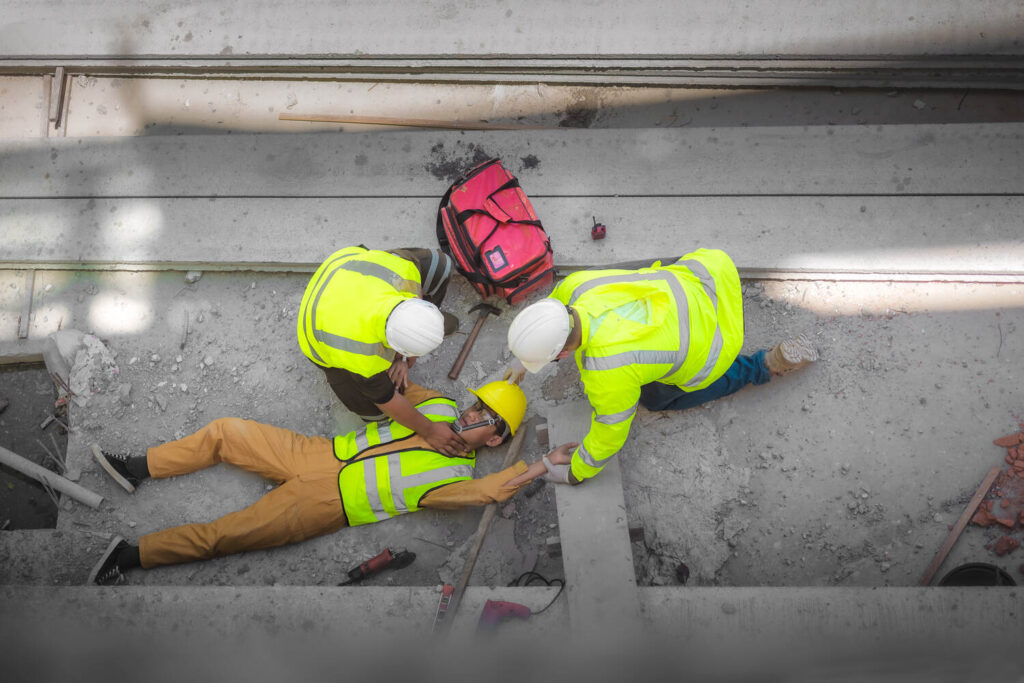
The A in ABCDE stands for Airway. A person’s airway needs to be open and clear so that air can move into and out of the lungs. When assessing an unconscious person, checking and opening the airway is particularly important as an obstructed airway can prevent normal breathing and quickly become life-threatening.
In Australian first aid, airway management also forms part of the DRSABCD action plan. A first aider may need to check the person’s mouth for foreign material and position them appropriately to help maintain a clear airway.
Airway problems can occur for many reasons, including choking, vomit or other material in the mouth, swelling or loss of consciousness.
B – Breathing
B stands for Breathing. Once the airway has been assessed, the next step is to determine whether the casualty is breathing normally. A first aider may look for movement of the chest or abdomen, listen for breathing and feel for air coming from the person’s mouth or nose. This assessment helps determine what needs to happen next.
If an unresponsive person is not breathing normally, this is a medical emergency and CPR should be started after emergency assistance has been called.
If an unconscious person is breathing normally, they may need to be placed in the recovery position and continually monitored while waiting for help.
C – Circulation
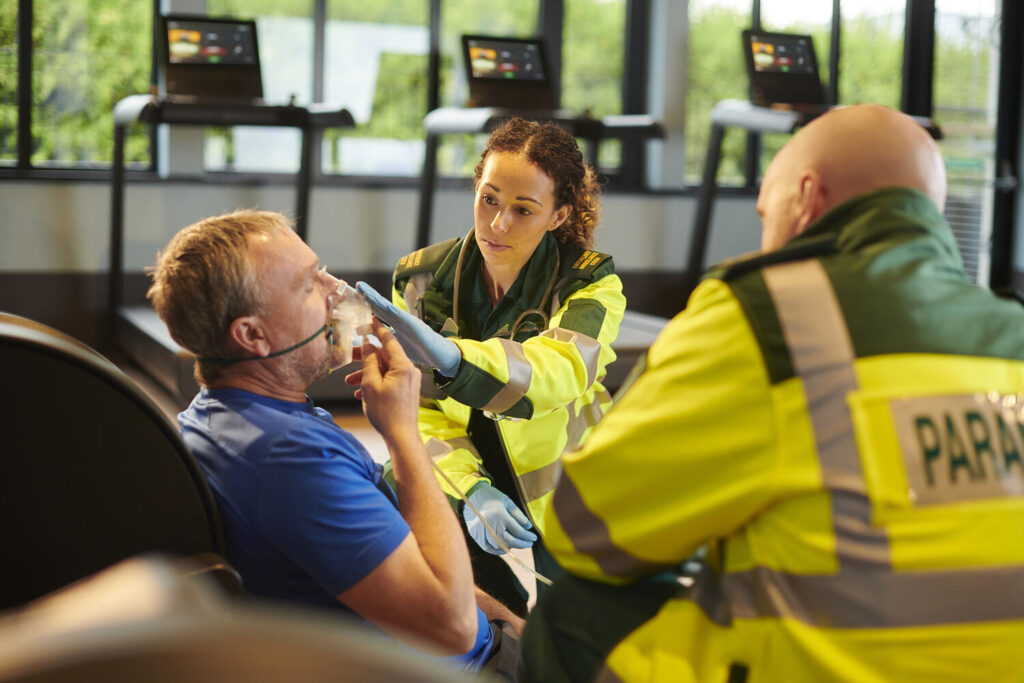
C stands for Circulation. This stage considers whether there are signs of serious bleeding or circulatory problems.
A first aider should look for obvious severe bleeding and other signs that the person’s circulation may be compromised.
Severe bleeding can be life-threatening and requires prompt treatment. Depending on the situation, first aid may include applying firm, direct and continuous pressure to a bleeding wound and calling Triple Zero (000).
Circulation can also be affected by shock. Signs of shock can include pale, cool or moist skin, dizziness, weakness, confusion and changes in breathing or pulse.
D – Disability
In the ABCDE approach, D stands for Disability. In this context, the term doesn’t refer to a disability a person may have. It refers to assessing their neurological function, particularly their level of consciousness and responsiveness. For example, is the person:
- awake and responsive?
- confused or unusually drowsy?
- responding only when spoken to or touched?
- unconscious?
A change in a person’s level of consciousness can be an important warning sign and may occur with conditions including head injuries, stroke, seizures, poisoning or other serious illness or injury.
A person who becomes unconscious requires immediate reassessment, including their airway and breathing.
E – Exposure or Environment
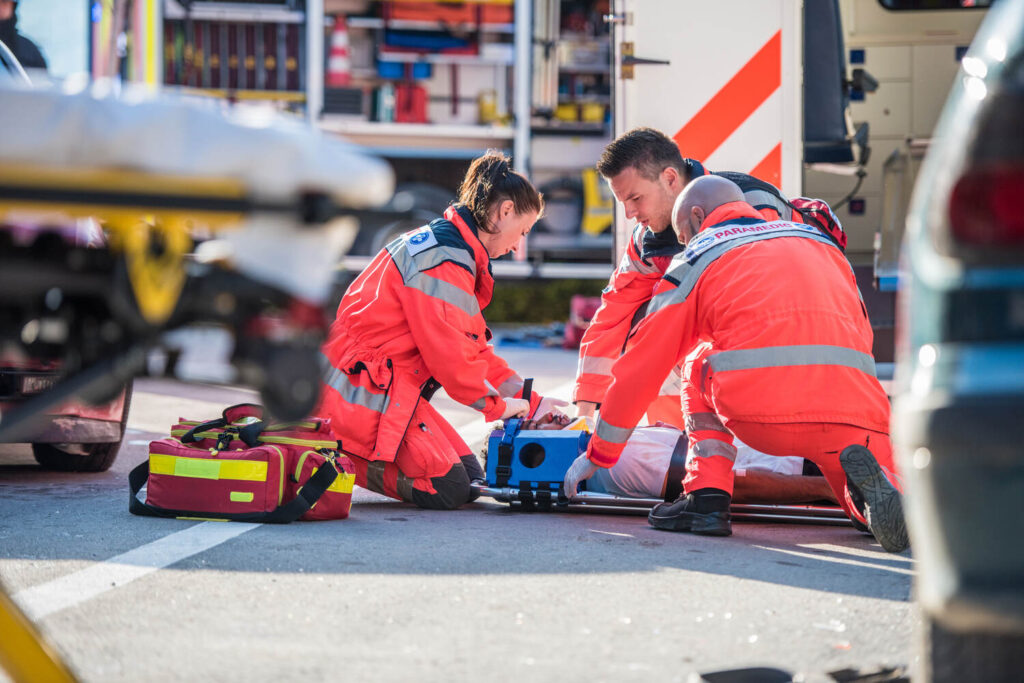
The final letter, E, is commonly described as Exposure or Environment. This involves looking for other injuries, symptoms or clues that may not have been identified during the initial assessment. For example, there may be burns, wounds, swelling, bleeding or other injuries hidden by clothing.
At the same time, it’s important to consider the environment and avoid unnecessarily exposing a casualty. Their dignity and privacy should be maintained, and they should be protected from becoming too hot or cold.
This stage helps build a more complete picture once the most immediate threats to life have been addressed.
ABCDE vs DRSABCD: What’s the Difference?
This is where the terminology can become confusing. ABCDE and DRSABCD share some of the same principles, but they are not interchangeable acronyms.
ABCDE is a structured casualty assessment that focuses on five key areas: Airway, Breathing, Circulation, Disability and Exposure.
In Australian first aid training, you’re more likely to learn the DRSABCD action plan:
- D for Danger: Check for danger to yourself, bystanders and the casualty.
- R for Response: Check whether the casualty responds.
- S for Send for help: Call Triple Zero (000) or ask someone else to call.
- A for Airway: Check and open the airway.
- B for Breathing: Check whether the casualty is breathing normally.
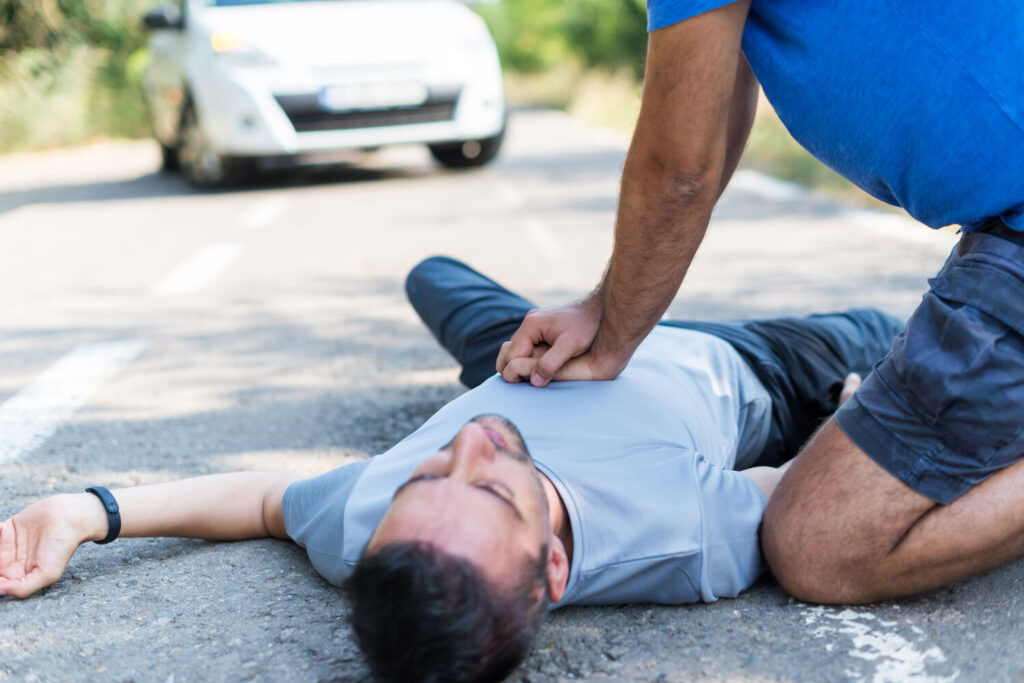
- C for CPR: If the casualty is unresponsive and not breathing normally, commence CPR.
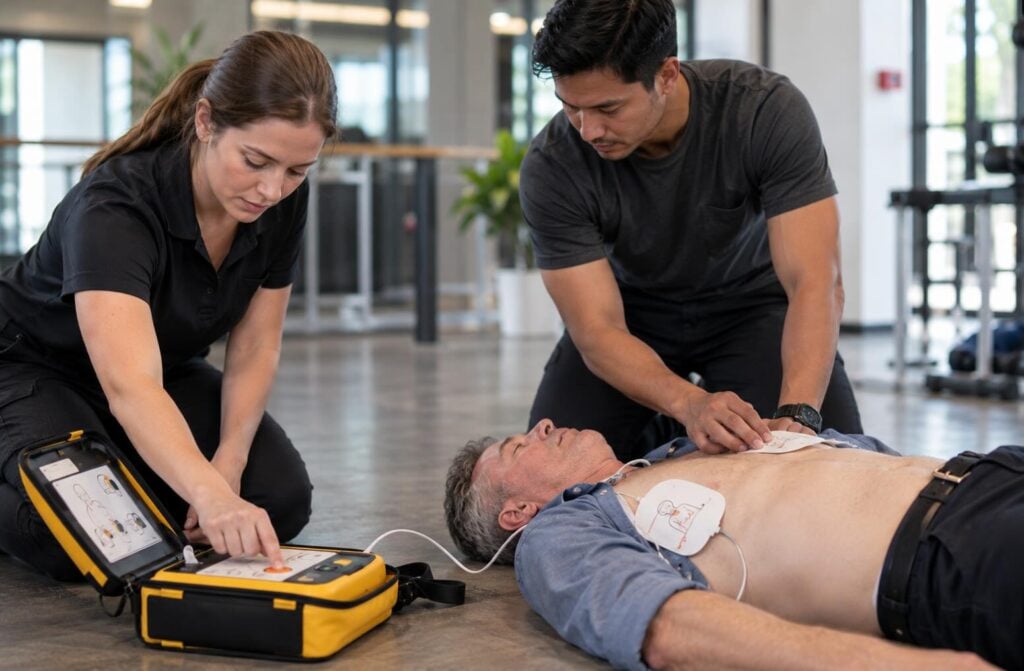
- D f0r Defibrillation: Use an automated external defibrillator (AED) as soon as one is available and follow its prompts.
The important difference is that C in ABCDE means Circulation, while C in DRSABCD means CPR. Similarly, the final D in DRSABCD means Defibrillation, rather than Disability. For someone learning first aid in Australia, understanding that distinction can help avoid confusion between the two approaches.
Why Is the ABCDE Approach Useful?
In an emergency, there may be several things happening at once. A person might have an obvious injury, for example, but also have a problem with their airway or breathing that poses a much more immediate risk.
Using a structured approach helps keep the assessment focused on priorities rather than simply treating whichever injury is easiest to see.
It also encourages ongoing assessment. A casualty’s condition can change, so their airway, breathing, responsiveness and other signs may need to be checked again while waiting for emergency services.
Is ABCDE Taught in a First Aid Course?
First aid courses teach many of the practical skills and principles involved in systematically assessing and caring for a casualty, although the terminology and framework used can depend on the course and training context.
For most people seeking general workplace first aid training in Australia, the key qualification is HLTAID011 – Provide First Aid.
At National First Aid Courses, the First Aid course includes:
- HLTAID009 – Provide Cardiopulmonary Resuscitation
- HLTAID010 – Provide Basic Emergency Life Support
- HLTAID011 – Provide First Aid
Training covers how to recognise and respond to an emergency, including practical CPR and AED use, as well as responding to conditions and injuries such as bleeding, burns, fractures, asthma, anaphylaxis and shock.
You’ll also learn about casualty assessment, maintaining safety, infection control, positioning and reassuring a casualty, and communicating and reporting following a first aid incident.
Importantly, first aid isn’t simply about remembering acronyms. Practical training gives you the opportunity to apply what you’ve learned to emergency scenarios and practise the skills you may need to use in real life.
Learn How to Respond in a First Aid Emergency
Knowing what ABCDE means can help you understand how casualties are assessed, but knowing what to do in an emergency requires practical training. National First Aid Courses offers nationally recognised HLTAID011 Provide First Aid training, including CPR, at training locations across Australia.
Our First Aid course is delivered face-to-face and includes practical training in CPR, AED use and responding to common medical emergencies and injuries.
Find a First Aid course near you and learn the practical skills to respond when it matters.
Get Certified With National First Aid Courses
Need to complete or refresh your first aid training? National First Aid Courses offers a range of nationally recognised first aid and CPR courses, with practical, face-to-face training and assessment.
Course options, duration and pricing vary depending on the training you need and your location. After successful completion and the required enrolment checks, you’ll receive the relevant nationally recognised Statement of Attainment.