Key Takeaways
- ABCD stands for Airway, Breathing, Circulation and Defibrillation. These four steps provide a simple framework for assessing and responding to life-threatening emergencies.
- In Australia, first aid training teaches the expanded DRSABCD action plan. This includes checking for Danger, Response and sending for help before moving through Airway, Breathing, CPR and Defibrillation.
- Airway and breathing are the first priorities in an emergency. A blocked airway or abnormal breathing can quickly become life-threatening and requires immediate action.
- CPR and defibrillation are critical responses during cardiac arrest. High-quality CPR helps maintain blood flow, while an AED can help restore a normal heart rhythm when appropriate.
- Learning first aid gives people the confidence to respond in emergencies.
If you’ve started learning about first aid, you’ve probably come across the acronym ABCD and wondered exactly what it means. An acronym that pops up regularly in first aid, ABCD stands for Airway, Breathing, Circulation, and Defibrillation.
These four steps help first aiders quickly identify and manage life-threatening conditions. They provide a logical sequence for assessing a casualty and deciding what action to take while waiting for emergency services.
In Australia, however, you’ll learn DRSABCD during accredited first aid training rather than ABCD on its own. DRSABCD expands the process to include checking for danger, assessing responsiveness and calling for help before assessing the person’s airway, breathing and circulation. Understanding what each letter means is one of the foundations of effective first aid.




ABCD Meaning in First Aid
ABCD is a simple step-by-step approach used to assess and respond to someone who is seriously injured or unwell. It helps first aiders identify life-threatening conditions in the correct order, ensuring the most critical problems are treated first while waiting for emergency services to arrive.

A: Airway
The ‘A’ in ABCD stands for Airway. The first priority is making sure the person’s airway is open and clear. A blocked airway prevents oxygen from reaching the lungs and brain, making it a life-threatening emergency.
To check the airway, a trained first aider looks for anything that could be blocking it, including food, vomit or other objects. If necessary, they carefully open the airway using the head-tilt, chin-lift technique and continue to monitor it to ensure the person can breathe freely.
If the airway cannot be cleared, emergency medical assistance is needed immediately.
B: Breathing
B stands for breathing. Once the airway is open, the next step is to determine whether the casualty is breathing normally. This involves looking for normal chest movement, listening for breathing sounds and feeling for airflow.
A person is considered to be breathing normally if their breaths are regular, their chest is rising and falling naturally, and they are not gasping or showing other signs of abnormal breathing.
If the person is not breathing normally, CPR should begin immediately while someone calls Triple Zero (000) and retrieves an Automated External Defibrillator (AED) if one is available.
C: Circulation
The ‘C’ stands for Circulation, which refers to the body’s ability to move oxygen-rich blood to vital organs.
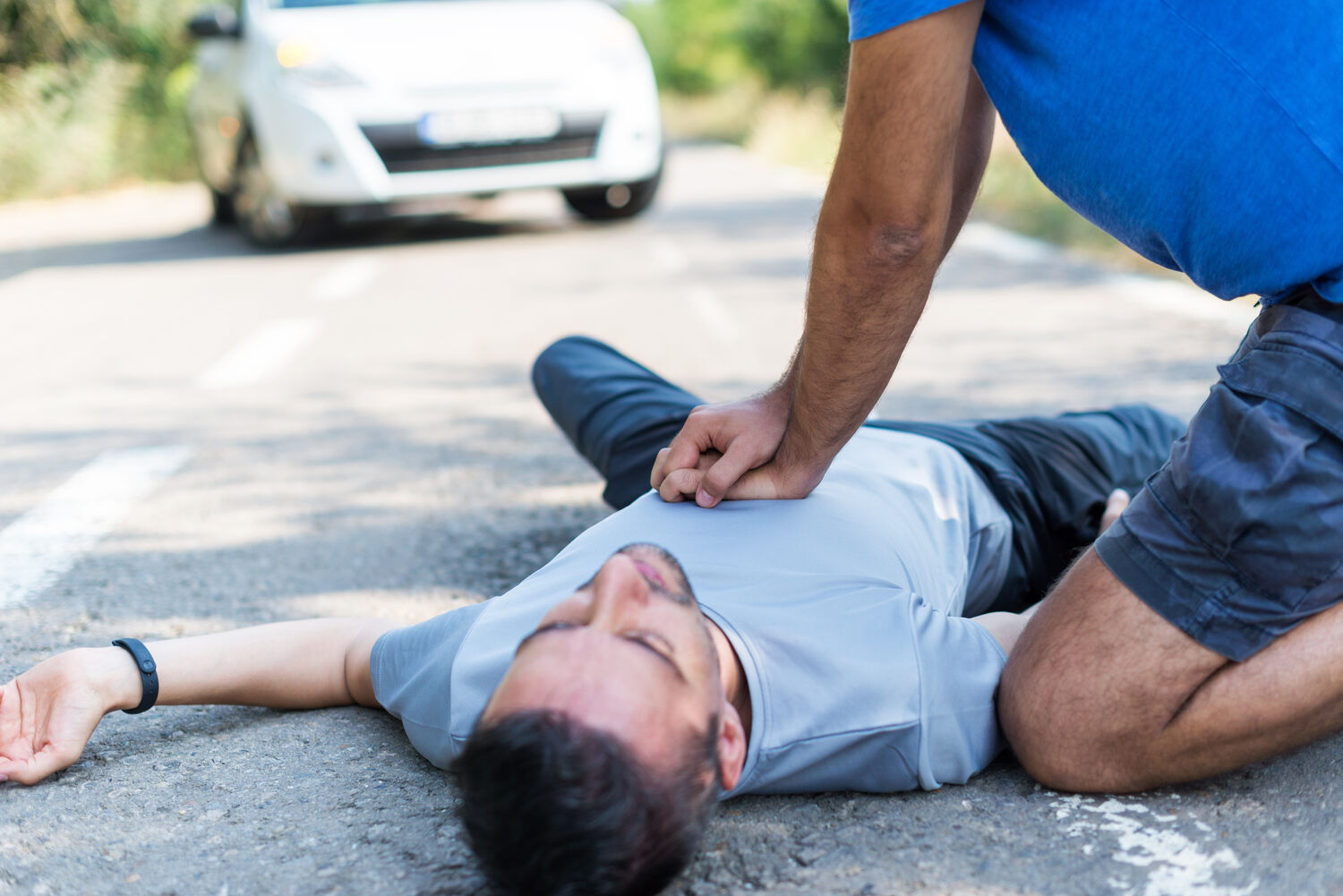
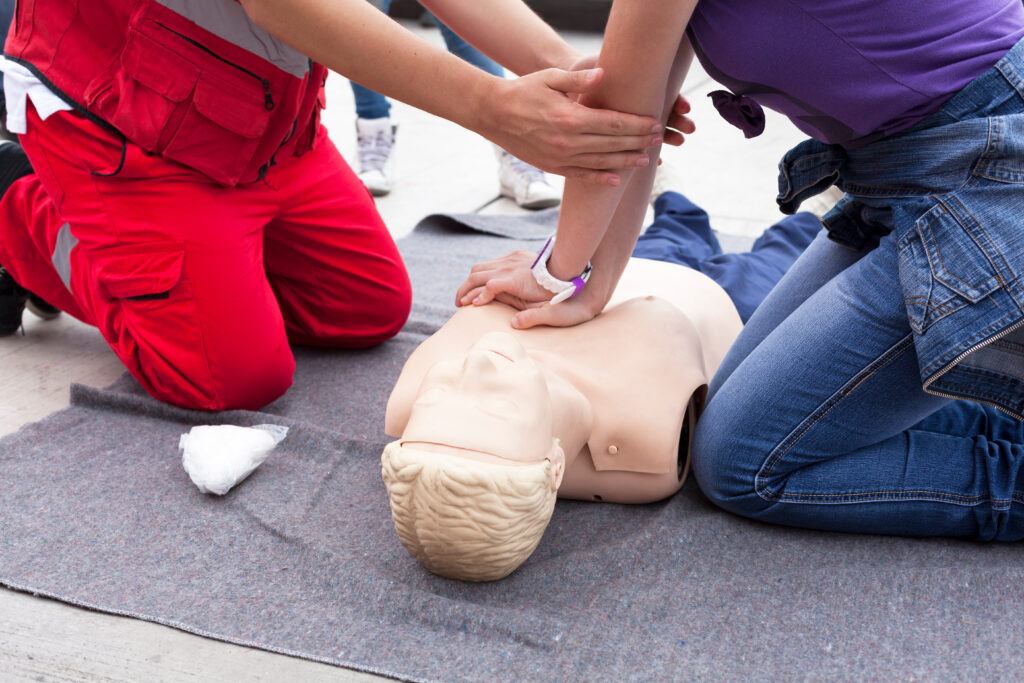
Modern first aid places significant emphasis on maintaining circulation through high-quality CPR when someone has suffered cardiac arrest.
If the casualty isn’t breathing normally, begin chest compressions immediately, continue CPR according to current Australian Resuscitation Council guidelines, and minimise interruptions to compressions. Effective CPR helps circulate oxygenated blood to the brain and other vital organs until advanced medical care arrives.
D: Defibrillation
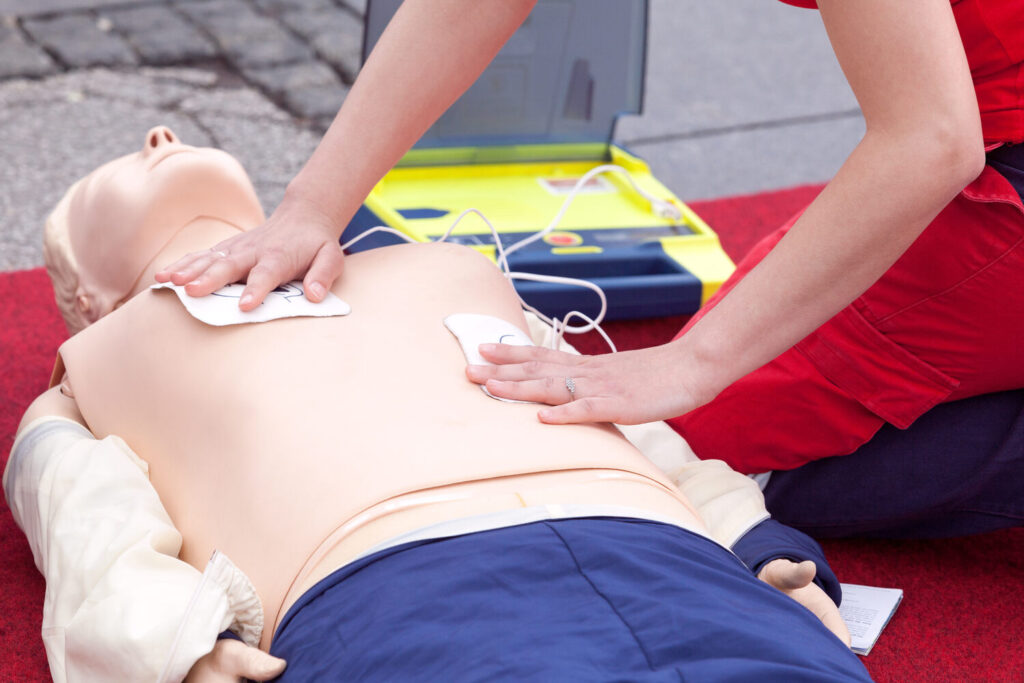
The final letter stands for Defibrillation. This means using an Automated External Defibrillator (AED) as soon as one becomes available.
An AED analyses the person’s heart rhythm and, if appropriate, delivers an electrical shock to help restore a normal heartbeat.
Modern AEDs are designed for members of the public to use safely. They provide clear voice instructions and will only deliver a shock if it is medically required. Early defibrillation, combined with high-quality CPR, significantly improves survival rates following sudden cardiac arrest.
ABCD vs DRSABCD: What’s the Difference?
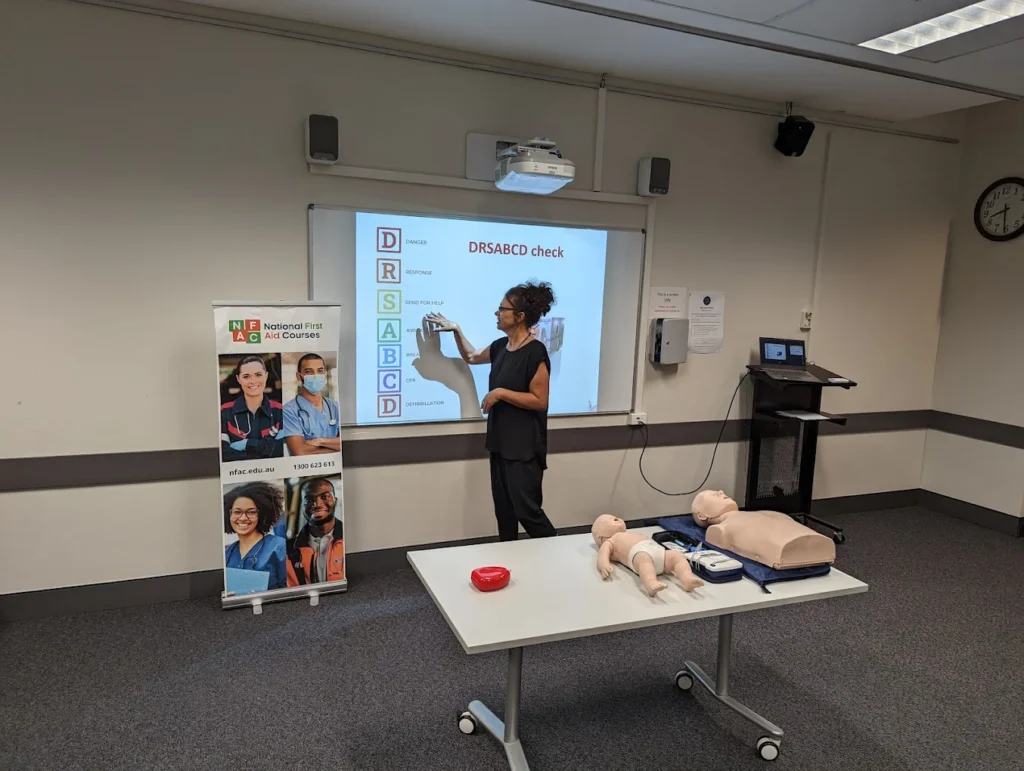
Many Australians search for the meaning of ABCD in first aid, but in accredited training you’ll usually be taught DRSABCD. DRSABCD stands for:
- D: Danger
- R: Response
- S: Send for help
- A: Airway
- B: Breathing
- C: CPR
- D: Defibrillation
These additional steps help ensure that you first make the scene safe, check whether the casualty is responsive, and call Triple Zero (000) or ask someone nearby to do so before moving on to assess their airway, breathing and circulation.
Only then do you move on to assessing the airway, breathing and the need for CPR and defibrillation. This structured approach helps protect both the casualty and the first aider while ensuring the most urgent actions happen first.
Why Is ABCD So Important?
The ABCD framework provides a simple mental checklist that helps you stay calm and work through the most critical priorities in the correct order. By following these steps, you can assess life-threatening emergencies more quickly, make better decisions under pressure and communicate more effectively with emergency services.
It also helps reduce hesitation in stressful situations and gives you greater confidence when providing first aid. Instead of wondering what to do next, you have a proven, structured approach to guide your actions.
Is ABCD Taught in First Aid Courses?
Yes. Every nationally recognised first aid course in Australia teaches the principles behind ABCD as part of the broader DRSABCD action plan. During a first aid course you’ll learn how to:
- Assess an emergency scene safely.
- Check responsiveness.
- Open and manage an airway.
- Recognise normal and abnormal breathing.
- Perform CPR correctly.
- Use an Automated External Defibrillator (AED).
- Respond confidently to common medical emergencies.
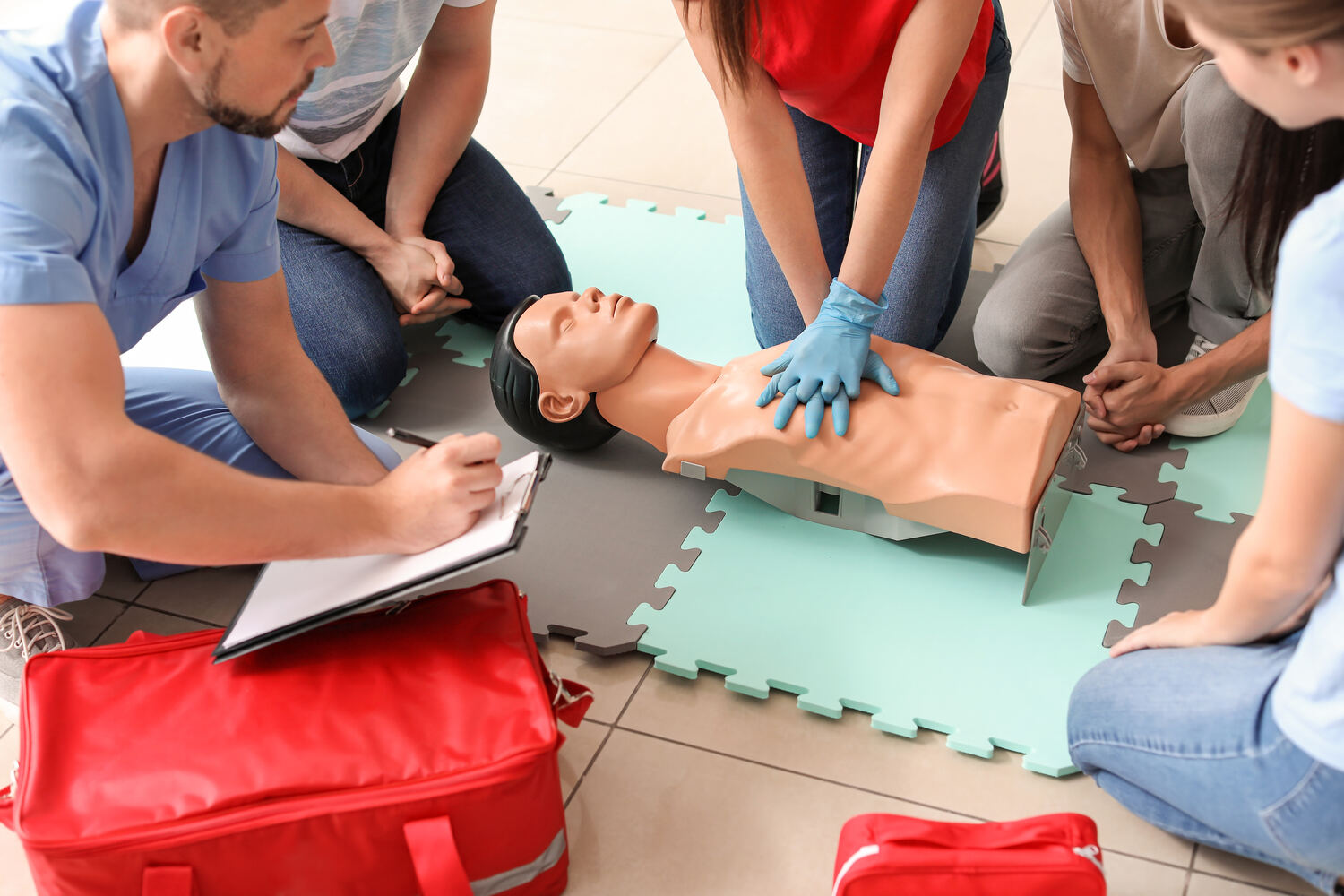
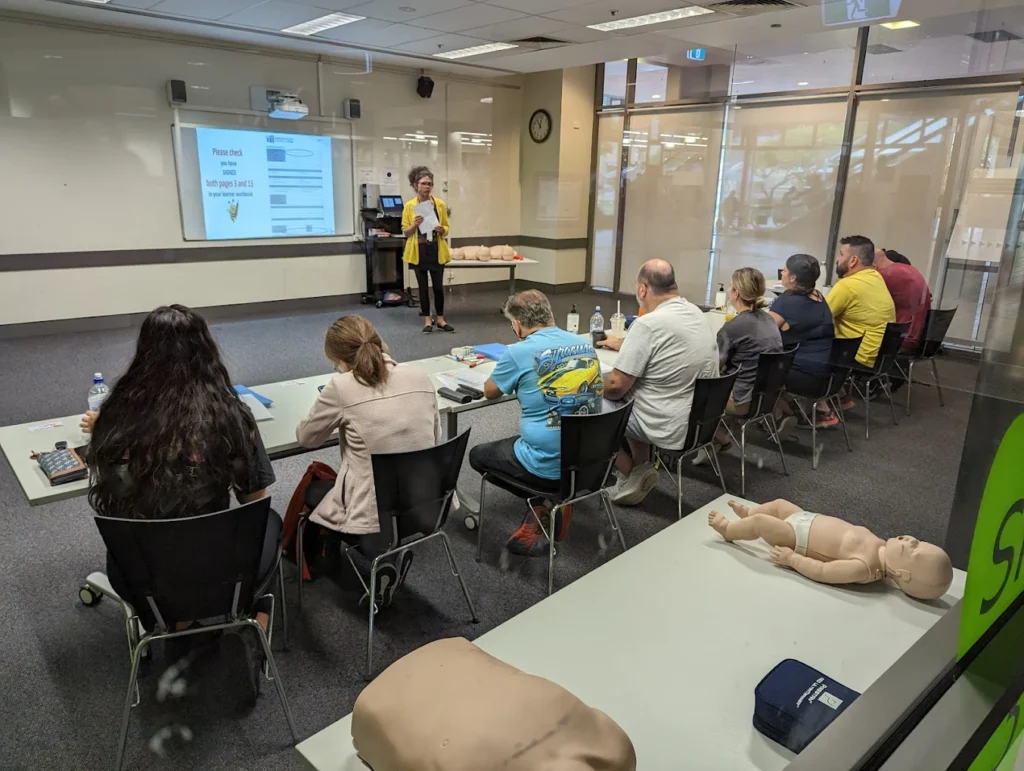
Importantly, first aid training is practical as well as theoretical. You’ll practise these skills using training manikins and AED trainers so you feel prepared to respond in a real emergency.
Who Should Learn ABCD?
Everyone can benefit from learning first aid. While many workplaces require employees to hold a current first aid certificate, these skills are just as valuable at home, during sporting activities, while travelling or in public places.
First aid training is particularly beneficial for parents and carers, teachers and childcare workers, construction and hospitality staff, fitness professionals, community volunteers, and anyone who wants to be prepared to respond in an emergency.
After all, cardiac arrest, choking and other medical emergencies can happen anywhere. Understanding the ABCD approach gives you the confidence to take action and provide potentially life-saving assistance while waiting for professional help to arrive.
Frequently Asked Questions
How long does a first aid certificate last, and do you need to renew it?
In Australia, a standard first aid certificate is valid for three years. However, CPR is recommended to be renewed annually, since the guidelines can be updated and the skill itself benefits from regular practice. Most people do a combined First Aid and CPR renewal to knock both out at once.
If your certificate has lapsed, the good news is that renewal courses are typically shorter than the original training since you’re refreshing existing knowledge rather than starting from scratch.
Can you do more harm than good by performing CPR on someone?
What do you do if you're the only person there when someone collapses?
The priority is to call Triple Zero (000) immediately, even before starting CPR. Put the phone on speaker so the operator can guide you through the process while you work.
If there are other people nearby, shout specific instructions at a specific person (“You in the red shirt, call 000 now”) rather than a general call for help, since bystanders often freeze when no one is directly addressed. If you spot an AED nearby, grab it before starting compressions, since every second counts once you begin.
What's the difference between a basic first aid course and a more advanced one?
What should you do if someone starts breathing again while you're doing CPR?