What Is First Aid? Definition, Purpose, and Why It Matters
Emergencies can happen anywhere, regardless of whether you’re at home, at work, on the road, or in public places. A person might collapse suddenly, suffer a serious injury, or experience a medical condition that requires immediate attention.


In Short
- First aid is immediate, life-saving care. First aid is the first response given to someone who is injured or suddenly unwell, aimed at stabilising their condition until professional medical help arrives.
- The main goals are to preserve life, prevent deterioration, and support recovery. Effective first aid is guided by three core principles that help protect the casualty and improve outcomes in emergencies.
- Quick action can significantly improve survival rates. In critical situations such as cardiac arrest, choking, or severe bleeding, immediate intervention like CPR or bleeding control can make the difference between life and death.
- First aid is needed in everyday, unpredictable situations. Emergencies can occur anywhere, at home, work, school, or in public, meaning bystanders are often the first and most important responders.
In those critical moments before professional medical help arrives, the actions of the people nearby can make a significant difference. This is where first aid plays an essential role.
But what is first aid, exactly, and why is it considered such an important life skill? In this article we’ll look at what first aid is, why it can be the difference between life and death, and how you can obtain the first aid skills that could save a life in an emergency.
What is First Aid? (Definition)
First aid refers to the immediate assistance given to someone who is injured or suddenly becomes ill until professional medical treatment becomes available.
The aim is to stabilise the person, prevent their condition from worsening, and in some cases save their life. Even simple actions, such as helping someone who is choking or controlling severe bleeding, can have a major impact during the first few minutes of an emergency.
Understanding the basics of first aid helps ordinary people respond effectively when accidents or health emergencies occur. It provides the knowledge and confidence to step in and help someone when they need it most.
This care can range from very simple actions to more advanced emergency procedures. For example, it may involve reassuring someone who is experiencing distress, cleaning and covering a wound, or helping a person maintain breathing and circulation through CPR.
The key feature that defines first aid is timing. It takes place in the critical period immediately after an incident occurs, often before paramedics or medical professionals are able to reach the scene.
Because of this, first aid is typically provided by bystanders, coworkers, family members, or anyone nearby who has the knowledge to assist.
Importantly, first aid does not replace professional medical care. Instead, it provides essential support that helps protect the person’s health and safety until trained medical professionals can take over.
The Purpose of First Aid
Although first aid can involve many different techniques and situations, the purpose of first aid is generally guided by three fundamental goals:
- Preserve life
- Prevent the condition from worsening
- Promote recovery
These principles form the foundation of most first aid training programs and guide how first aiders respond during emergencies.
Preserving Life
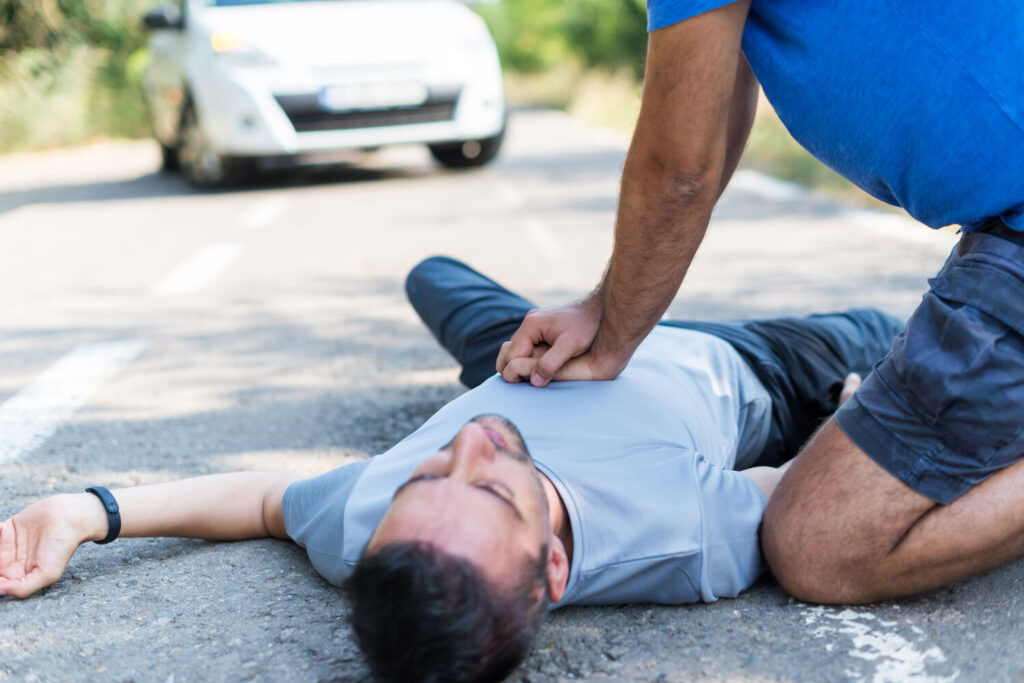
The most important objective of first aid is preserving life. In serious emergencies such as cardiac arrest, choking, or severe bleeding, immediate action can mean the difference between survival and death.
When a person stops breathing or their heart stops beating, oxygen is no longer circulating through the body. Quick intervention, such as CPR or using an automated external defibrillator (AED), helps maintain circulation and increases the chances of survival until emergency services arrive.
Similarly, applying pressure to a heavily bleeding wound can prevent life-threatening blood loss. Even basic interventions like these can provide critical support during the most dangerous moments of an emergency.
Preventing the Situation from Worsening
Another major purpose of first aid is preventing an injury or illness from becoming more serious.
In many situations, a casualty’s condition can deteriorate if they are not cared for properly. For example, moving someone incorrectly after a suspected spinal injury could cause further damage, while untreated burns may continue to worsen without immediate cooling.
First aiders are trained to recognise potential risks and take steps to stabilise the casualty. This might involve keeping the person still, monitoring their breathing, or protecting the injured area from further harm.
By controlling the situation and providing basic care, first aid helps reduce the likelihood of complications before professional medical help arrives.
Promoting Recovery
The third goal of first aid is to support recovery. While some situations involve life-threatening emergencies, many first aid scenarios involve injuries that are less severe but still require prompt care.
Treating minor burns, cleaning wounds, applying bandages, or helping someone rest after an illness episode can all contribute to faster recovery and reduce discomfort.
First aid also includes an important psychological component. People who experience accidents or sudden illness often feel frightened or distressed. Providing calm reassurance and support can help reduce anxiety and improve their overall response to the situation.
Common Situations Where First Aid is Needed
First aid can be utilised in many everyday situations. While some emergencies involve serious trauma, others involve medical conditions that develop suddenly and require quick action.
Some of the most common situations where first aid may be needed include choking, severe bleeding, burns, fractures, allergic reactions, asthma attacks, or sudden cardiac arrest. Environmental factors can also lead to emergencies, such as heat stroke, dehydration, or snake bites.
Many of these incidents occur without warning. A person may collapse in a public place, a child may choke during a meal, or someone may suffer an injury while working or playing sport.
Because emergency services cannot always arrive immediately, the ability of bystanders to provide first aid can play a critical role in protecting the casualty during the first few minutes after the incident.
The First Aid Action Plan
During an emergency, it can be difficult to think clearly. For this reason, first aid training teaches a structured approach to responding to incidents.
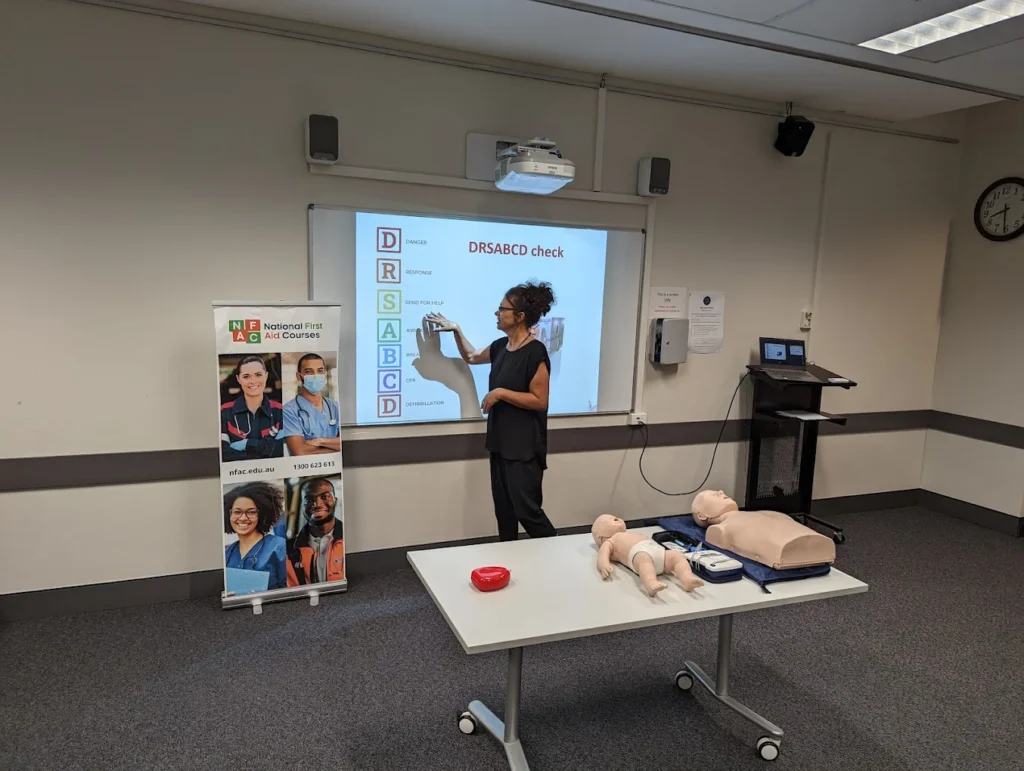
In Australia, many first aid courses use the DRSABCD action plan, which provides a simple step-by-step framework for assessing and assisting a casualty.
- D – The first step is Danger, which involves checking the environment for any hazards that could harm the rescuer, the casualty, or others nearby.
- R – Next comes Response, where the first aider checks whether the casualty responds to voice or gentle touch.
- S – If there is no response, the next step is Send for help, which involves calling emergency services or asking someone nearby to do so.
- AB – After help has been requested, attention turns to the casualty’s Airway and Breathing to determine whether they are breathing normally.
- C– If the casualty is not breathing normally, CPR is started to help maintain circulation.
- D – If an automated external defibrillator is available, Defibrillation may also be used to help restore the heart’s rhythm.
Following a structured plan like DRSABCD helps first aiders remain calm and ensures that critical steps are not overlooked.
Why First Aid Matters
First aid knowledge is widely recognised as one of the most valuable skills a person can learn. Its importance extends far beyond medical professionals and emergency services.
First Aid Can Save Lives
Perhaps the most obvious reason first aid matters is that it saves lives. Immediate intervention can significantly increase survival rates in emergencies such as cardiac arrest.
Without early assistance, the chances of survival decrease rapidly. However, prompt CPR or defibrillation can keep oxygen flowing to the brain and vital organs until medical help arrives.
In situations involving severe bleeding or choking, quick action can also prevent fatal outcomes.
Emergencies Happen in Everyday Life
Many people associate medical emergencies with hospitals or specialised environments, but the reality is that most incidents occur in everyday settings.
Homes, workplaces, schools, sporting fields, and public spaces are all common locations for accidents and sudden illness. In these environments, the first person to respond is usually not a healthcare professional but an ordinary member of the public.
When more people understand first aid, communities become safer because there are more individuals capable of providing help when emergencies occur.
First Aid Builds Confidence to Act
One of the main reasons people hesitate during emergencies is uncertainty. Without training, many people worry about doing the wrong thing or making the situation worse.
First aid training helps remove this hesitation by providing clear guidance and practical experience. When people understand how to assess an emergency and what actions to take, they are far more likely to step forward and assist.
Confidence can be just as important as knowledge in emergency situations, because quick action often makes the greatest difference.
First Aid Supports Workplace Safety
First aid also plays an important role in workplace safety across Australia. Many workplaces are required to have staff who are trained in first aid available and appropriate first aid equipment on site.
This is especially important in industries where physical risks are higher, such as construction, manufacturing, and mining. However, even offices and low-risk environments benefit from having staff who know how to respond to medical emergencies.
A trained first aider in the workplace can provide immediate care, reduce the severity of injuries, and support employees until emergency services arrive.

Who Should Learn First Aid?
Although first aid training is often associated with certain professions, it is a valuable skill for almost anyone.
Parents and caregivers benefit from knowing how to respond to childhood injuries or medical emergencies. Teachers, coaches, and childcare workers often require first aid training because they are responsible for the safety of others.
Workers in construction, hospitality, security, and many other industries may also need first aid certification as part of workplace safety requirements.
However, the reality is that first aid knowledge is useful for everyone. Emergencies rarely occur at convenient times, and the person who is able to help may simply be whoever is nearby.
Learning first aid means being prepared to assist family members, friends, coworkers, or members of the public when unexpected situations arise.
Why First Aid Training is Important
While it is possible to learn some basic information online, formal first aid training provides the practical skills needed to respond confidently in real emergencies.
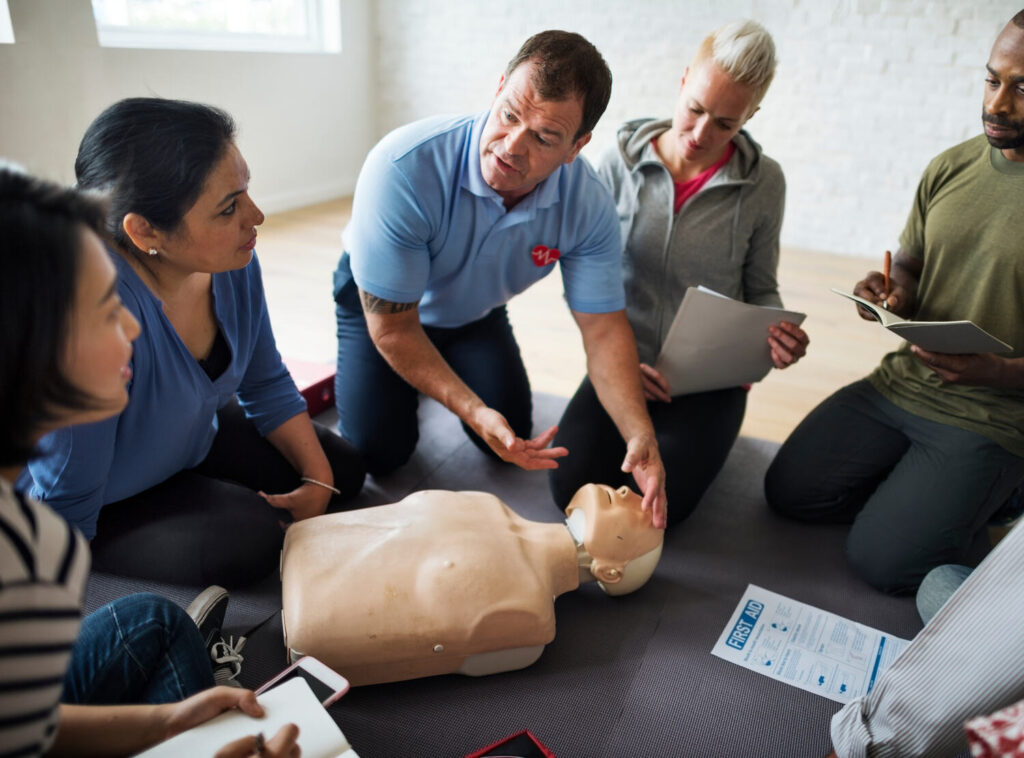
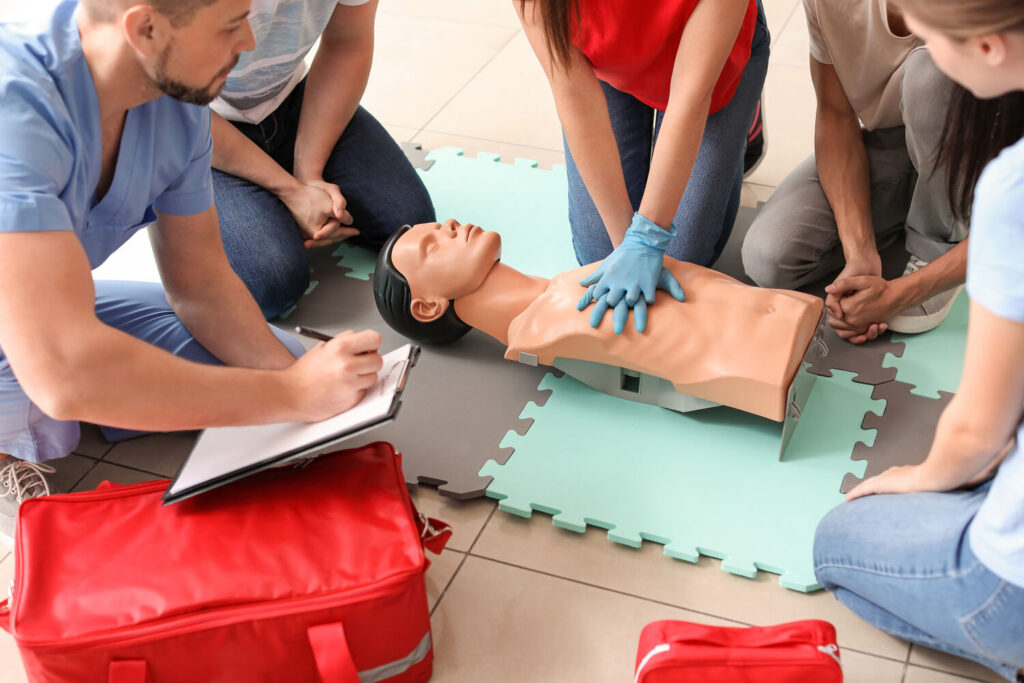
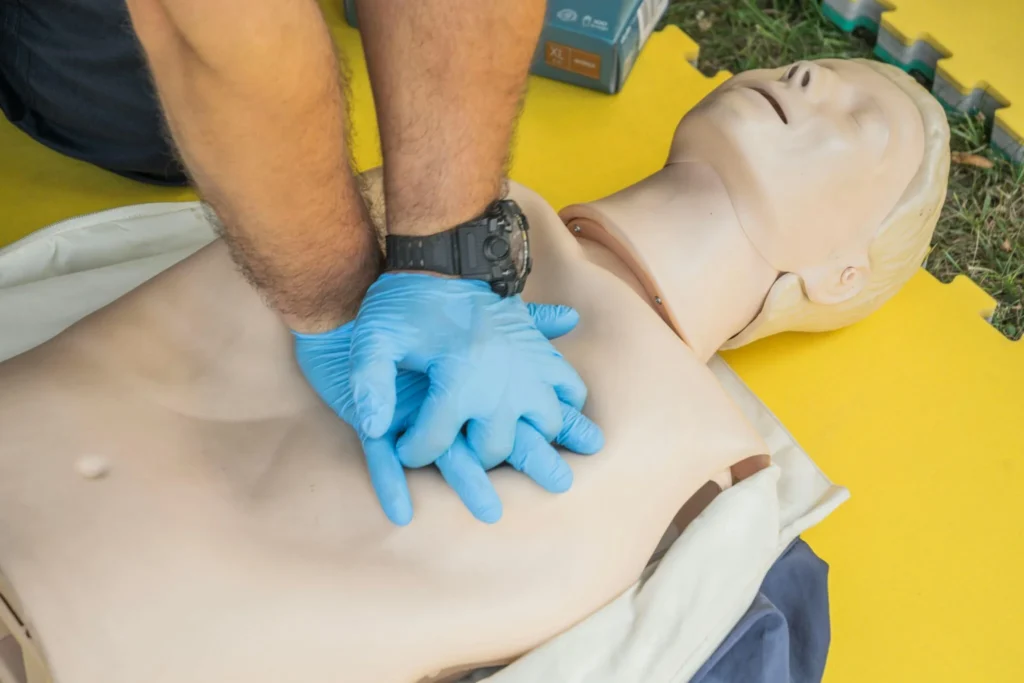
Training courses combine theory with hands-on practice so participants can learn how to perform techniques correctly. Practising CPR on training manikins, learning how to use an AED, and practising emergency scenarios helps reinforce knowledge and build confidence.
Courses also ensure that participants learn the most current Australian first aid guidelines. Because medical recommendations can change over time, refresher training helps keep skills and knowledge up to date.
For many workplaces, completing a nationally recognised first aid course is also required to meet workplace health and safety obligations.
Ready to Complete Your First Aid Training?
If you’ve never done a first aid course before, completing your initial training is the best way to build the skills you need to respond confidently in an emergency.
NFAC provides nationally recognised training in:
- HLTAID009 – Provide Cardiopulmonary Resuscitation (CPR)
- HLTAID010 – Provide Basic Emergency Life Support
- HLTAID011 – Provide First Aid
Our courses are designed to be practical, accessible, and aligned with the latest Australian safety guidelines, helping individuals and workplaces stay prepared for emergencies.
Whether you need certification for work or simply want to learn life-saving skills, completing a first aid course ensures you are ready to respond when it matters most.