Key Takeaways
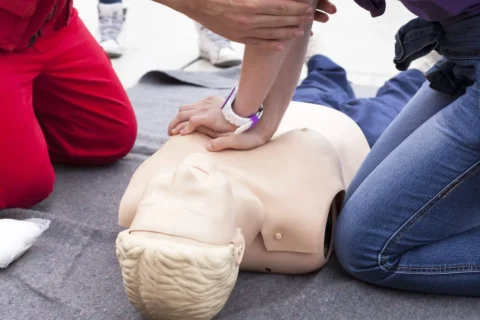
- Essential Emergency Skills: Learn how to respond to real-world emergencies — including CPR, bleeding, asthma, choking, and allergic reactions.
- Nationally Recognised Certification: Complete HLTAID011 Provide First Aid or HLTAID009 Provide CPR — the most widely accepted qualifications for volunteers.
- One-Day Practical Courses: Get trained and certified in a single face-to-face session with no online modules or pre-work required.
- Confidence to Step In: Practice realistic first aid scenarios led by expert trainers so you can act quickly and safely during an incident.
- Same-Day Certificate: Receive your official certificate on the day — ready to meet volunteer requirements or simply be more prepared.
- Flexible Course Options: Choose from multiple NSW and QLD locations with weekday, weekend, and last-minute booking options available.
What Every Volunteer in Australia Should Know About First Aid Requirements
Is First Aid Legally Required for Volunteers in Australia?

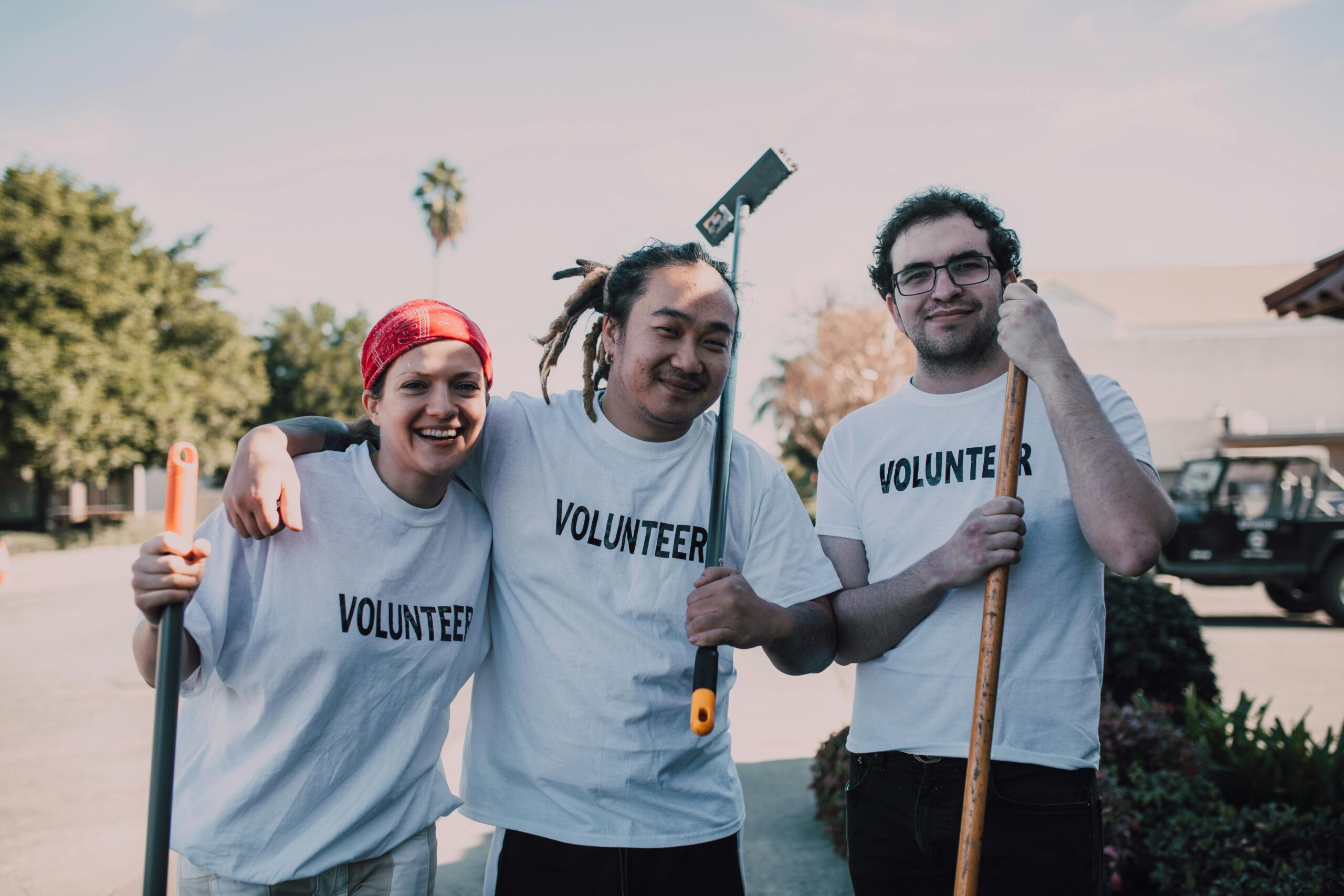
There’s no single law in Australia that says every volunteer must be first aid certified — but depending on the organisation or setting, it may be a legal or contractual requirement.
Here’s how it breaks down in 2025:
Work Health and Safety (WHS) Requirements
Under the Australian Model WHS Act, which applies in most states and territories (except VIC and WA, which have their own equivalent laws), any organisation that employs staff — even if they also use volunteers — has a legal duty to ensure a safe working environment for everyone, including volunteers.
That means:
-
If volunteers are performing work similar to paid staff
-
If there’s a known risk of injury or illness
-
Or if the setting involves vulnerable individuals (aged care, disability, schools)
➡️ The organisation must take steps to manage risk — and that often includes providing or requiring first aid training.
Aged Care & Disability Sectors
If you’re volunteering with an organisation that receives funding under the NDIS or the Aged Care Quality Standards, you may be required to complete first aid training — even as a volunteer.
-
NDIS Practice Standards require appropriate skills and training for all workers and volunteers engaging with participants.
-
Aged care facilities are required to have trained staff and volunteers who can respond to health incidents — especially in home-based support programs.
Schools and Childcare Settings
Volunteers working with children — even on a casual basis — are often required to complete HLTAID012 (Provide First Aid in an Education and Care Setting), particularly if working under a duty of care arrangement or assisting with excursions.
Bottom Line
You might not be breaking the law by volunteering without first aid training — but in many settings, organisations are required to ensure you have it. Some won’t even accept volunteers without proof of current certification.
It also protects you, in case something goes wrong and you’re expected to act.
Why First Aid Is Essential (Even When Not Legally Required)
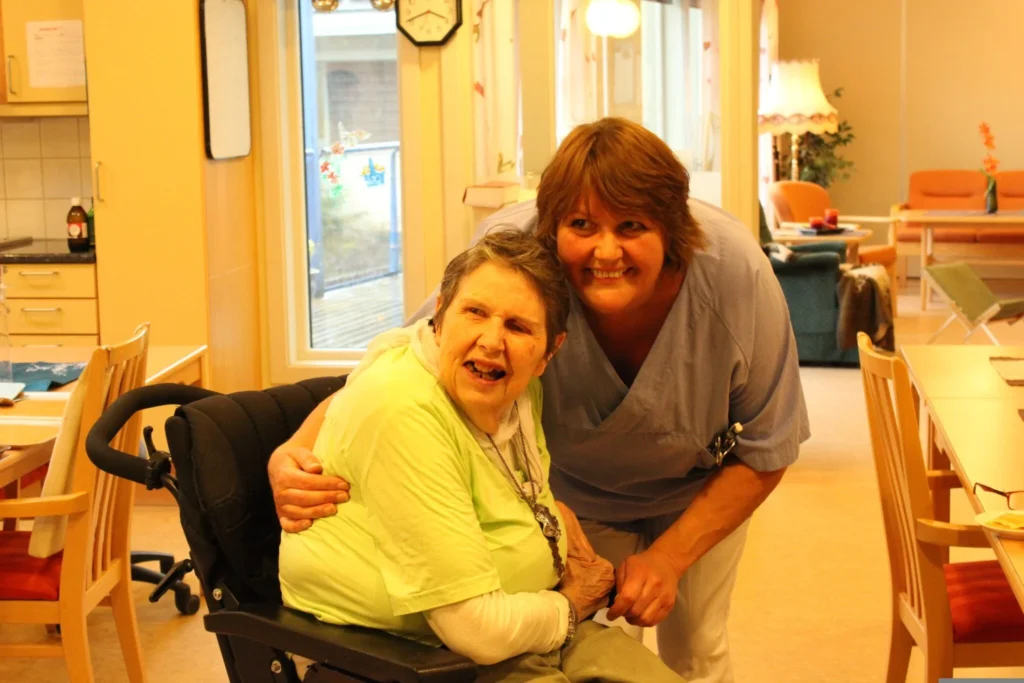
Legal obligations aside, there are plenty of situations where volunteers find themselves in the middle of a medical emergency — often with no one else around who’s trained to help.
Volunteers regularly support vulnerable communities, assist at high-traffic events, or work in remote settings where emergency services aren’t immediately available. In these moments, first aid knowledge isn’t just helpful — it can be lifesaving.
Even when not required by law, first aid training provides:
Immediate Response Capability
Whether it’s a fall, burn, asthma attack, seizure, or cardiac arrest — knowing what to do in the first few minutes can drastically improve outcomes.
Confidence to Act
Many people freeze in an emergency. Volunteers who have completed a nationally recognised course like HLTAID011 – Provide First Aid report feeling far more prepared to step in and help.
Safer Workplaces
A trained volunteer isn’t just protecting others — they’re reducing risk for the whole organisation. It’s part of building a safer culture where people look out for one another.
Stronger Community Trust
When community members see that volunteers are properly trained, it builds confidence — especially in settings like aged care, disability support, and youth programs.
NOTE: First aid training also helps protect volunteers legally. Acting within the scope of your training (e.g. providing CPR, using an EpiPen) can support your actions under
Which First Aid Course Do You Actually Need?
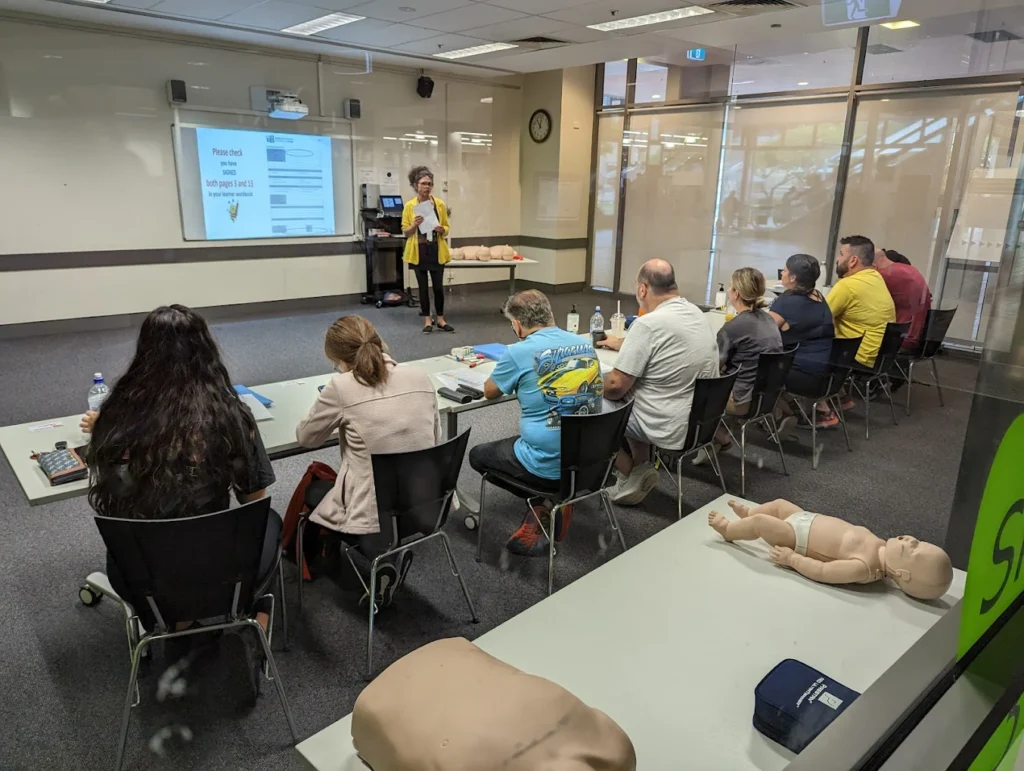
Not every volunteer role requires the same level of first aid training. It depends on the nature of the work, who you’re supporting, and whether you’re likely to be the first responder in an emergency.
Here’s a breakdown of the most relevant nationally recognised courses, and when each one applies:
HLTAID009 – Provide CPR
-
Duration: 3 hours (face-to-face)
-
Ideal for: Volunteers who don’t directly supervise others or are working in low-risk environments — such as food prep, community stalls, or administration roles.
-
Covers: Basic life support, using an AED, responding to cardiac arrest or breathing emergencies.
HLTAID011 – Provide First Aid
-
Duration: 6 hours (face-to-face)
-
Ideal for: Most general volunteer roles — including those supporting vulnerable individuals, doing home visits, or working at events.
-
Covers: CPR plus bleeding, burns, fractures, asthma, allergic reactions, seizures, shock and more.
HLTAID012 – Provide First Aid in an Education and Care Setting
-
Duration: 7 hours
-
Ideal for: Volunteers working with children (e.g. schools, early learning centres, after-school programs).
-
Covers: Everything in HLTAID011, with additional focus on asthma, anaphylaxis, and age-specific responses for infants and children.
-
Meets: ACECQA requirements for first aid, asthma and anaphylaxis training in education settings.
Most of our community-focused learners opt for either HLTAID011 or HLTAID012, depending on whether their role involves children. For short-term roles or refreshers, HLTAID009 is a good entry point.
Trainer’s Insight: Course Choice Mistakes
“I always tell volunteers — your training should match the people you’re showing up for. If you’re working with kids, you need to know what to do in a choking emergency. If you’re visiting someone’s home, you should know how to handle a seizure or a fall. It’s not about which course is the shortest — it’s about what you’ll actually need when something goes wrong.”
Real-World Scenarios: When First Aid Training Made the Difference
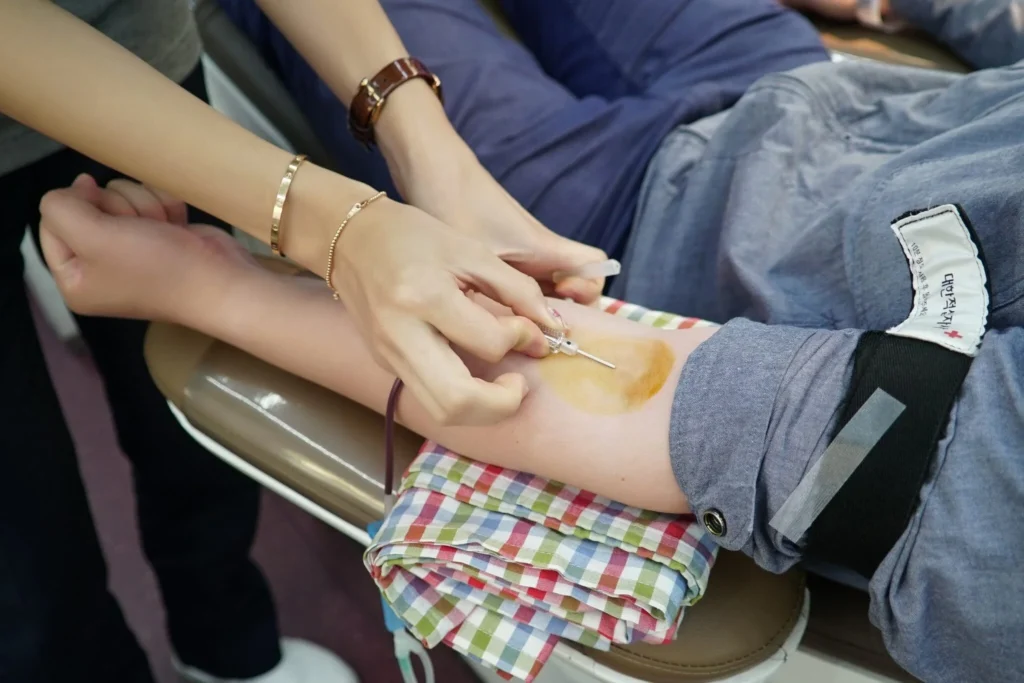
The situations below are based on real incidents shared by volunteers and trainers — where basic first aid knowledge changed the outcome dramatically.
Scenario 1: Community Food Program
Role: Volunteer helping with a meal service at a homeless shelter
Incident: A guest collapsed during lunch, struggling to breathe.
Response: The volunteer recognised the signs of anaphylaxis, used an EpiPen from the facility’s first aid kit, and called Triple Zero.
Impact: Paramedics confirmed the fast response likely prevented cardiac arrest. The volunteer had completed HLTAID011 – Provide First Aid two months earlier.
Scenario 2: Youth Program Support
Role: Volunteer supervising a weekend camp for teenagers
Incident: A 13-year-old camper fell from a tree and appeared dazed, with a bleeding arm.
Response: The volunteer applied direct pressure to stop the bleeding, kept the child still, and monitored for concussion symptoms until emergency services arrived.
Impact: The child recovered fully — and the camp maintained its safety accreditation because of the proper incident handling. Volunteer was trained in HLTAID012.
Scenario 3: Aged Care Visitor
Role: Volunteer doing weekly home visits to an elderly man
Incident: The resident collapsed in the hallway and was unresponsive.
Response: The volunteer checked for breathing and began CPR, continuing until paramedics arrived.
Impact: The man survived and later returned home. The volunteer had never used CPR before but said the training “kicked in straight away.”
Scenario 4: Local Church Volunteer
Role: Volunteer assisting with a weekly community lunch
Incident: An elderly attendee fainted during clean-up and hit their head on a table edge.
Response: The volunteer followed DRSABCD protocol, checked for responsiveness, applied pressure to a head wound, and monitored for signs of concussion while waiting for paramedics.
Impact: Quick action helped avoid complications and gave comfort to other attendees. The volunteer had completed HLTAID011 – Provide First Aid as part of a church group booking six months earlier.
Scenario 5: Animal Rescue Volunteer
Role: Volunteer transporting injured wildlife to a shelter
Incident: While pulling over to assist an injured kangaroo, the volunteer witnessed another vehicle crash into a tree nearby.
Response: The volunteer called Triple Zero, kept the driver conscious, stabilised their position, and monitored for shock until help arrived.
Impact: The ambulance crew commended the volunteer for staying calm and preventing further injury. First aid training had been included in their onboarding process with the shelter.
These aren’t extreme or unusual situations — they’re the kinds of moments volunteers find themselves in every day. The difference is whether they know what to do.
What Organisations Need to Know

When you’re responsible for volunteers, safety becomes more than just a personal obligation — it’s part of your duty of care. Whether you’re running a local food drive or a national aid organisation, here’s what to keep in mind:
1. Not All Roles Need the Same Level of Training
While general first aid (HLTAID011) is suitable for most, some roles may call for childcare-specific training (HLTAID012), especially if your volunteers work with children under 12. Others may need CPR (HLTAID009) refreshed yearly, especially if they’re on-site frequently.
2. First Aid Can Be a Legal Requirement
In some cases, having a trained first aider is a work health and safety (WHS) requirement — even in volunteer-led environments. Safe Work Australia recommends organisations identify risks and ensure that appropriate first aid coverage is in place at all times, including during events or off-site activities.
3. Group Training Makes Life Easier
If you’re coordinating volunteers, onboarding new teams, or running seasonal events, booking a group training session is often the most efficient approach. It saves on admin, ensures consistency, and can be delivered on-site to minimise disruption.
We offer flexible, nationally recognised training for organisations of all sizes — including charities, community groups, schools, and churches.
See our group booking options →
4. Keep Records and Plan Ahead
First aid certifications expire — and it’s easy to lose track if you’re managing a rotating roster. Create a simple spreadsheet or use a volunteer management platform to track who’s trained, what course they’ve done, and when they’re due for a refresher.
Trainer’s Insight: “Don’t wait for a wake-up call.”
“So many organisations come to us after an incident — someone collapsed at a fundraiser, or a kid had an allergic reaction at a weekend camp. The coordinator’s scrambling, realising no one on-site knew what to do. That moment can be avoided with a bit of planning. Getting a team trained ahead of time means you’re protecting your people, your reputation, and your peace of mind.”
Frequently Asked Questions (FAQs)

Do I have to get first aid training as a volunteer?
It depends on the role. Some volunteer positions (like those in aged care, events, or youth programs) do require first aid certification. Even when it’s not a legal requirement, many organisations expect it as part of their duty of care, and it’s often included in onboarding or induction.
What if I’ve never done a first aid course before?
Does it cost a lot to get certified?
Not necessarily. Some organisations cover the cost for their volunteers, especially if the training is essential for your role. Others may reimburse part of it, or arrange group bookings at a discounted rate. NFAC also offers some of Australia’s most affordable pricing without compromising quality.
How long does the training take?
What’s the benefit if I’m “just” a volunteer?
Can I use this qualification elsewhere?