Key Takeaways for First Aid Training for the Mining Industry
- First aid training matters more in mining and remote work because medical help may be hours away — workers are often the first responders.
- While first aid isn’t legally required for every individual, most mining employers won’t allow site access without current, recognised certification.
- Provide First Aid (HLTAID011) is the most widely accepted and expected qualification for mining, FIFO, DIDO, and remote roles.
- CPR-only training is usually not enough on its own for mining or remote worksites.
- Training must be nationally recognised, delivered by an RTO, and accepted across states and employers.
- Face-to-face, hands-on first aid training is strongly preferred for high-risk and isolated environments.
- Certificates must be current — CPR typically every 12 months, Provide First Aid every 3 years (some sites are stricter).
- Contractors and labour hire workers are expected to arrive fully compliant, with no training provided after hiring.
- Letting certificates expire or relying on non-accredited or overseas training can delay or block site access entirely.
- Getting first aid training sorted early makes you more job-ready, flexible, and employable across mining sites.
Get Hired Faster with a First Aid Certificate
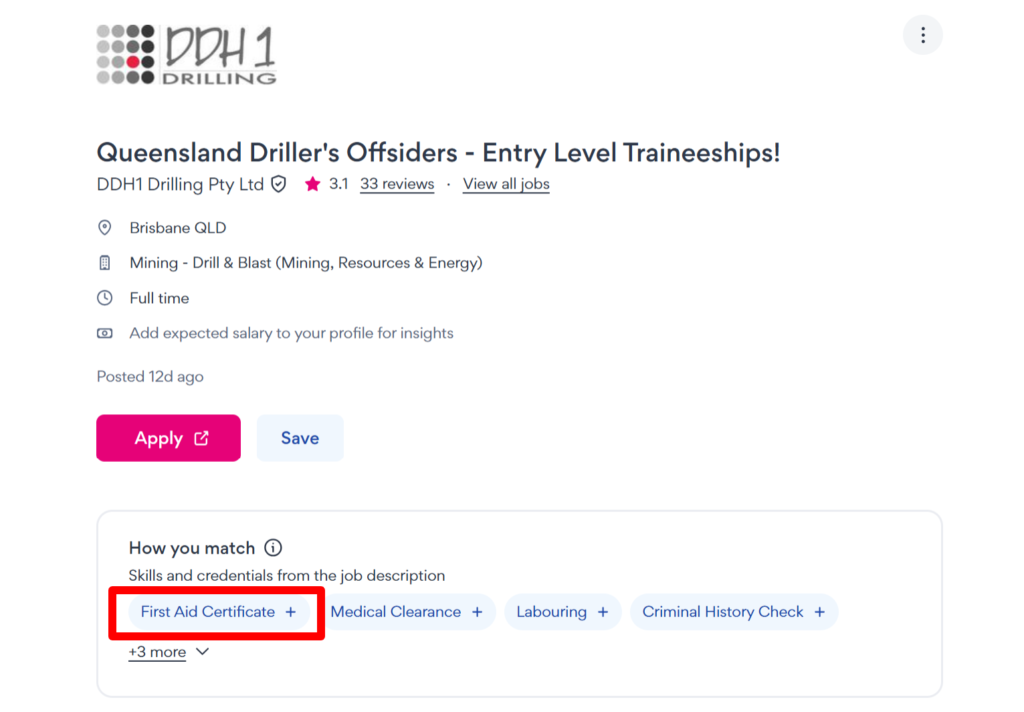
If you’re applying for a mining or remote role in Australia, you’ve probably noticed that first aid training comes up often in job ads — sometimes clearly, sometimes vaguely.
Phrases like “first aid required” or “current CPR preferred” don’t always explain what employers actually expect you to hold before you start.
The reality is that first aid training matters more in mining and remote work than it does on most city worksites.
When something goes wrong, help may not be nearby. That changes how sites assess risk — and what they expect workers to be capable of.
This guide explains in plain terms, what first aid training you usually need to work in mining or remote jobs in Australia, why employers ask for it, and how to make sure you’re properly prepared before you fly out.
Why First Aid Training Is Taken Seriously on Mining and Remote Sites
Mining and remote work environments are different from most workplaces.
Sites are often far from hospitals, ambulance services, and even regional medical centres. In some locations, it may take hours for external help to arrive.
At the same time, the work itself carries higher risk.
Heavy machinery, vehicles, isolated terrain, fatigue from long shifts, and environmental conditions all increase the chance that an incident could be serious.
Because of this, the first people responding to an injury or medical emergency are almost always other workers on site.
Employers need to know that those people have enough training to manage a situation until further help is available.
For you as a worker, this means first aid training isn’t just a formality. It’s part of being considered job-ready in a high-risk, isolated environment.
Is First Aid Training Legally Required to Work in Mining?
This is where things can get confusing.
Under Australian work health and safety laws, employers are responsible for providing adequate first aid at the workplace.
The legal duty sits with the employer, not the individual worker.
However, employers meet that duty by making sure there are enough trained people on site.
One of the most common ways they do this is by recruiting workers who already hold certain first aid qualifications before they start.
So while the law doesn’t say “every worker must have first aid training”, in practice many mining and remote employers will not engage workers who don’t hold appropriate, current certification.
From a worker’s point of view, the question isn’t whether first aid training is legally mandatory for you — it’s whether you’ll be allowed on site without it.
In many cases, the answer is no.
Mining Jobs That Commonly Require First Aid Certification (2026)
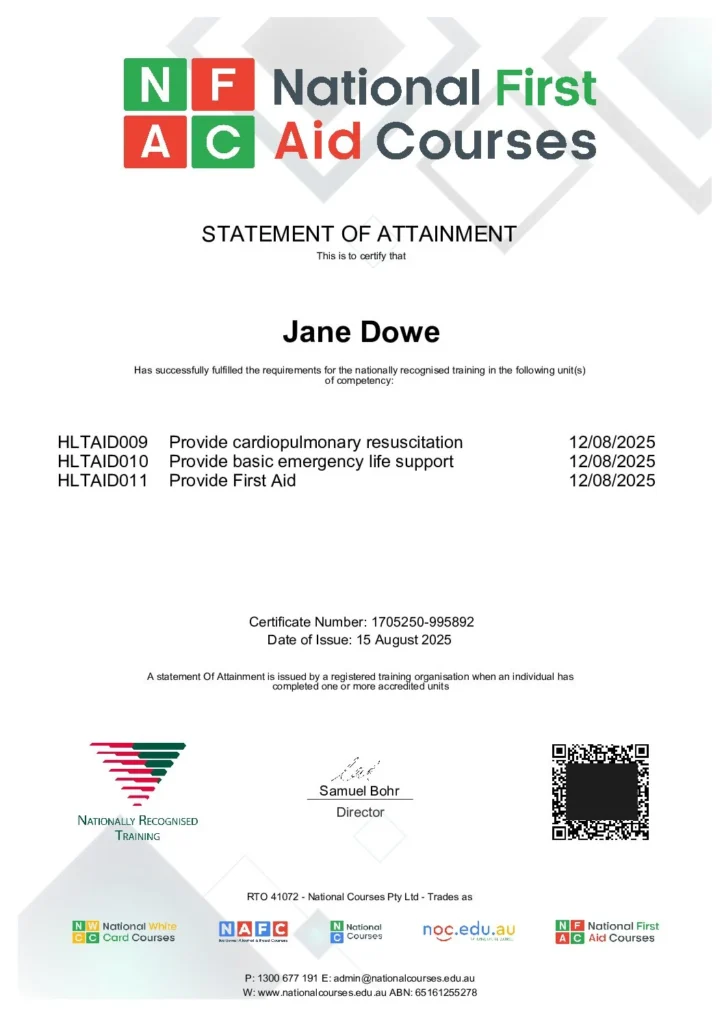
While not every mining role is advertised as “first aid required,” many sites expect workers to already hold current First Aid certification before arriving. This is especially true for FIFO, DIDO, remote, contractor, and labour hire roles.
The table below shows common mining jobs in Australia, typical pay ranges in 2026, and the level of First Aid training employers usually expect.
| Mining Job Role | Typical Pay Range (AUD) | First Aid Training Expected | Notes |
|---|---|---|---|
| Entry-Level Mining Operator / Trainee | $80,000 – $110,000 | Provide First Aid (HLTAID011) | Often required before site induction |
| Dump Truck Operator | $90,000 – $140,000 | Provide First Aid (HLTAID011) | CPR-only is rarely accepted |
| Driller’s Offsider | $90,000 – $130,000 | Provide First Aid (HLTAID011) | High-risk role, remote locations |
| Trade Assistant / Process Worker | $85,000 – $120,000 | Provide First Aid (HLTAID011) | Common requirement for FIFO roles |
| Mobile Plant Operator | $100,000 – $150,000 | Provide First Aid (HLTAID011) | Certification must be current |
| Boilermaker / Electrician / Diesel Fitter | $110,000 – $180,000 | Provide First Aid (HLTAID011) + CPR | Some sites apply stricter standards |
| Shotfirer / Explosives Support | $120,000 – $180,000 | Provide First Aid (HLTAID011) | First aid is non-negotiable |
| Site Administrator / Camp Support | $75,000 – $105,000 | Provide First Aid or CPR | Especially on smaller sites |
| Safety Officer / HSE Support | $110,000 – $160,000 | Provide First Aid (HLTAID011) | May require additional refreshers |
| Exploration Crew / Field Technician | $90,000 – $140,000 | Provide First Aid (HLTAID011) or higher | Remote Area First Aid may be requested |
Choosing the Right First Aid Course for Mining or Remote Work
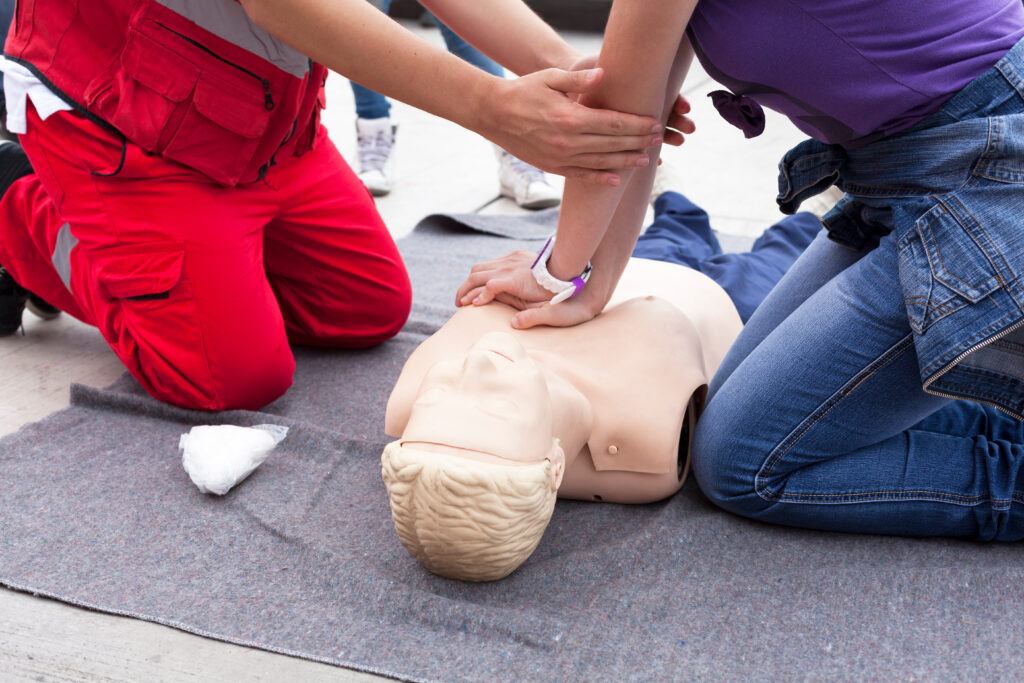
When you’re preparing for mining or remote work, choosing the right first aid course isn’t just about getting a certificate — it’s about making sure that certificate is accepted, respected, and genuinely useful on site.
Here’s what to look for, and how NFAC meets those expectations.
Nationally Recognised Training That Mining Sites Accept
For mining and remote roles, your first aid training should always be delivered by a Registered Training Organisation (RTO) such as National First Aid Courses and be nationally recognised.
This ensures your certificate is accepted during site inductions and across different employers and states.
We deliver fully accredited first aid training that aligns with current national standards and WHS expectations in the mining sector.
Our certifications are recognised across construction, mining, infrastructure, and other high-risk industries throughout Australia.
Best First Aid Course for Mining Jobs
For most people working in mining or remote roles, Provide First Aid is the best and most widely accepted first aid course.
This is the qualification most mining employers expect workers to hold before starting a roster.
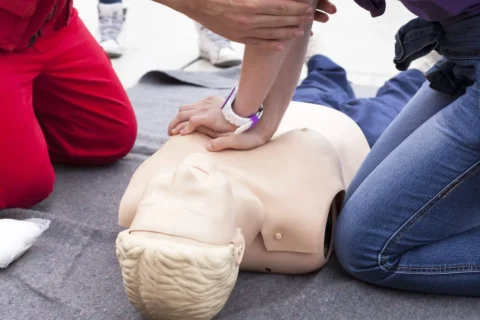
It provides practical, hands-on training that prepares you for the types of incidents that can occur on site.
The course includes training in:
- Basic emergency response
- Managing serious bleeding and shock
- Fractures, crush injuries, and burns
- Medical emergencies
- CPR and AED use
Provide First Aid combines three nationally recognised units, including CPR, making it the most complete and practical option for mining and remote work.
For most FIFO, DIDO, and remote roles, this is the baseline course that meets site expectations and avoids the need for additional training.
CPR training is an important skill and is often refreshed annually on mining sites.
However, CPR on its own is rarely sufficient for mining or remote work, as it does not cover the broader range of injuries and emergencies that can occur in these environments.
This is why most workers typically choose our Provide First Aid course instead — because it includes CPR and covers the full range of basic emergency situations employers expect you to be able to manage.
National First Aid Courses delivers Provide First Aid and CPR courses in line with current Australian guidelines — with nationally recognised statements of attainment that are widely accepted across the mining and construction industries.
Why Face-to-Face First Aid Training Matters for Mining & Remote Jobs
While online or blended courses may be acceptable in some low-risk settings, face-to-face first aid training is strongly preferred for mining and remote work — and for good reason.
On isolated sites, first aiders may be managing:
- Severe injuries
- Multiple casualties
- Extended response times
Our face-to-face training focuses on hands-on, practical skills, not just theory.
You practise real scenarios, use real equipment, and learn how to respond under pressure — which is exactly what mining employers want to see.
This practical focus is one of the main reasons our first aid training is well regarded across the construction and mining industries in Australia.
FIFO, DIDO and Rostered Work: What Employers Check and Look For
Mining operations run around the clock, often with long shifts and rotating rosters.
Employers need to ensure that trained first aiders are available at all times, not just during standard hours.
For workers, this means:
- Your first aid training must be current
- It must cover more than basic CPR
- Employers often prefer recent training, not something completed years ago
Sites also plan for fatigue, leave, and unexpected absences. Workers with current first aid training are more likely to be relied on and retained.
How Current Does Your First Aid Certificate Need to Be?
Across Australia, the general expectations are:
- CPR: refreshed every 12 months
- Provide First Aid: refreshed every 3 years
Some mining employers apply stricter internal standards, particularly for CPR.
Turning up with an expired first aid certificate can delay site access or prevent you from starting altogether.
Before applying for roles, it’s worth checking your expiry dates carefully. Being “just out-of-date” or “recently expired” is not good enough.
Contractors, Labour Hire and Short-Term Roles
If you’re working as a contractor or through labour hire companies, first aid training is even more important.
Many sites expect contractors to arrive fully compliant, with all required certifications already in place.
Holding your own current first aid training:
- Reduces delays during onboarding
- Makes you more flexible across sites
- Improves your chances of being selected for work
If you are trying to get hired for a specific type of role on a mining site, having the right first aid training before applying is your responsibility, not the employer’s.
Common Mistakes New Mining Job Applicants Make
Workers often run into problems when applying for mining jobs in Australia because they:
- Assume CPR alone is enough
- Let certificates expire
- Rely on overseas certificates or non-accredited training
- Expect the site to train them after hiring
Avoiding these issues and getting a First Aid certificate before applying for mining jobs can save lots of time, money, and frustration.
Do You Need Advanced or Remote Area First Aid?
Some mining and remote employers may require a higher-level or enhanced first aid training depending on the nature of the site.
This is more common in:
- Extremely isolated locations
- Exploration work
- Sites with small crews
- Roles where medical evacuation times are longer
In these cases, employers may want workers who can manage injuries for extended periods.
However, most mining roles do not require this level of first aid training if you’re just looking to get your foot-in-the-door of the Australian mining industry.
If a job ad isn’t clear, it’s always worth asking what level of first aid training is expected before applying or accepting a role.
The Bottom Line About First Aid Training For Mining Jobs in Australia
For mining and remote work, first aid training needs to be:
- Nationally recognised and accepted across different states and territories
- Practical and hands-on
- Relevant to high-risk environments such as mining and remote work operations
National First Aid Courses: Trusted by High-Risk Industries
National First Aid Courses is an industry leader in first aid training for high-risk industries, trusted by workers and employers across:
- Construction
- Mining
- Infrastructure
- Renewable energy
- Remote and regional projects
- + more
Our first aid courses are designed to meet the realities of Australian worksites, so you walk out confident to respond in an actual emergency.
First Aid Training Locations Across Australia
Mining and remote workers often need training done quickly and efficiently, without unnecessary delays.
That’s why NFAC offers training at convenient locations around Australia, making it easier to:
- Book training before a roster starts
- Refresh expiring certificates
- Stay compliant without disrupting work plans
This flexibility is especially important for FIFO and contract workers who need to meet site requirements on short notice.
Ready to Get First Aid Certified and Mine Site-Ready in 2026?
If you’re preparing for mining or remote work, getting your first aid training sorted early helps avoid delays, missed starts, and last-minute stress.
We deliver nationally recognised, face-to-face first aid and CPR training designed for high-risk Australian worksites.
We have high-quality first aid trainers, convenient locations around Australia, competitive pricing, and certifications that are widely accepted across the mining and construction industries.
Book your First Aid training today and start your mining career with confidence.
Get Government-Approved First Aid Training at a Location Near You!
Not all first aid training is created equal.
At National First Aid Courses (RTO 41072), we do things differently.
We take First Aid training seriously.
Our courses are delivered face-to-face by industry-qualified trainers who teach the skills properly — using modern equipment and realistic scenarios.
No shortcuts. No rushed online content.
Real practice, real assessment, real confidence.
We train people who need to be trusted — employees, parents, carers, students and community members.
People who can’t afford to guess in an emergency.
When you choose National First Aid Courses, you get more than a certificate — you get training that truly prepares you for real emergencies:
-
Nationally Recognised Certification — valid across every state and territory in Australia.
-
Hands-On, Face-to-Face Learning — practice skills in realistic scenarios so you leave confident and capable.
-
Same-Day Certification — complete your course and receive your certificate immediately.
-
Practical, Real-World Scenarios — training designed for actual emergencies, not just ticking boxes.
-
Accessible Locations Across Australia — major cities and regional centres, so you can train wherever it suits you.
We make it simple: straightforward booking, affordable pricing, and trainers who genuinely care about your success.
Take the first step. Book your First Aid course today and be ready anywhere, anytime.